A quick cup in a small space
If you usually make one cup at a time, compare capsule machines with some pod machines. Check the dimensions of each model, then make sure it takes the capsule system or pod format you want.


For coffee with minimal effort, consider capsule or pod machines, checking which format each one takes. A portafilter machine is a good choice if you want to measure and tamp the coffee yourself; a bean-to-cup machine suits a regular routine based on whole beans, provided you have room for it and are prepared to maintain it. Que Choisir notes that the cost per cup and the purchase price compare differently across these systems, so base your calculations on how much coffee you actually drink.
If you usually make one cup at a time, compare capsule machines with some pod machines. Check the dimensions of each model, then make sure it takes the capsule system or pod format you want.
If you regularly make several coffees, compare the cost of consumables and ongoing maintenance. Que Choisir says a bean-to-cup machine costs more to buy, but its cost per cup can be lower than that of a pod espresso machine.
A portafilter machine lets you use ground coffee and take part in measuring and tamping it. De’Longhi France describes these steps as part of making coffee with its manual machines. This may not be the right choice if you simply want to press a button.
Start with how many coffees you make and how much effort you’re happy to put in each day. Then check the machine’s size, consumables and maintenance requirements.
| What to consider | What to check | Based on my needs |
|---|---|---|
| Steps per cup | Capsules and pods come pre-measured; a bean-to-cup machine uses whole beans, while a portafilter machine requires you to fill and tamp the coffee. Check the controls on the model. | For a quick cup between activities, I prefer a machine with minimal handling. If making coffee is part of my routine, I’m happier with the steps involved in using a portafilter. |
| Running costs | Compare how many coffees you make, which consumables are compatible and what maintenance products are needed. Que Choisir says a bean-to-cup machine can have a lower cost per cup than a pod espresso machine, despite its higher initial price. | If I make coffee every day, regular costs matter just as much as the price of the machine. For occasional use, I’ll work it out based on how often I actually use it. |
| Space and water tank | Measure the space available, including room to fill the water tank and remove the trays. Compare the dimensions and capacity listed for each model. | I want to fit the machine on my worktop without getting in the way, while still being able to reach the parts that need filling or emptying. |
| Maintenance | Read the descaling instructions and check which parts need rinsing. For Magnifica bean-to-cup machines, De’Longhi France includes rinsing the brewing unit as part of the maintenance. | I’ll choose a cleaning routine I can keep up with, including if the machine has a milk system or several trays. |
| Consumables | Check the exact capsule system or pod format. Nespresso France distinguishes between Original and Vertuo, for example; the brand name alone doesn’t guarantee compatibility. | Before choosing a portion-based machine, I’ll check that the compatible consumables suit the way I like to make coffee. |
| Waste and noise | Check what the pods or capsules are made from and look up your local recycling guidance. If noise matters in your household, check the information given for the exact model. | I’ll consider the packaging my routine produces and when I’m likely to use the machine at home. |
If you drink coffee regularly, capsules, pods or beans and maintenance products all affect your choice. Que Choisir highlights the higher purchase price of a bean-to-cup machine, as well as its lower cost per cup compared with pod espresso.
Estimate how many coffees you make each week and compare compatible consumables, along with the maintenance required for each machine.
A capsule with the right brand name may still belong to a different system: Nespresso France lists Original and Vertuo separately. Pods must also match the format accepted by the machine.
Before stocking up, check the system or pod holder specified on the product page and in the machine’s manual.
Descaling and cleaning the parts that come into contact with coffee are part of using a coffee machine. The process varies by model: Philips France, for example, describes descaling and rinsing cycles for SENSEO® machines.
Check the manual before you buy to find out which parts need rinsing, how to descale the machine and which maintenance accessories you’ll need.
How a capsule or pod should be disposed of depends on its material and the collection facilities available. Que Choisir distinguishes between certain pods labelled as compostable in industrial facilities and those suitable for home composting.
Read the exact wording on the packaging and check your local guidance. ADEME provides different advice depending on the material the capsules are made from.
Nespresso France offers two capsule machine systems, Original and Vertuo, with different cup sizes.
Philips’ SENSEO® range uses pods to make coffee to order.
De’Longhi France offers domestic portafilter machines as well as automatic bean-to-cup models.
These Joybuy models represent the four ways of making coffee covered here: bean-to-cup, soft pods, capsules and a portafilter. Compare the features of each machine before choosing a system to suit your routine.
 Image unavailable
This bean-to-cup model is worth considering if you use whole beans as part of your regular routine. Remember to maintain the coffee system, and check the manual for care instructions specific to the LatteGo system.
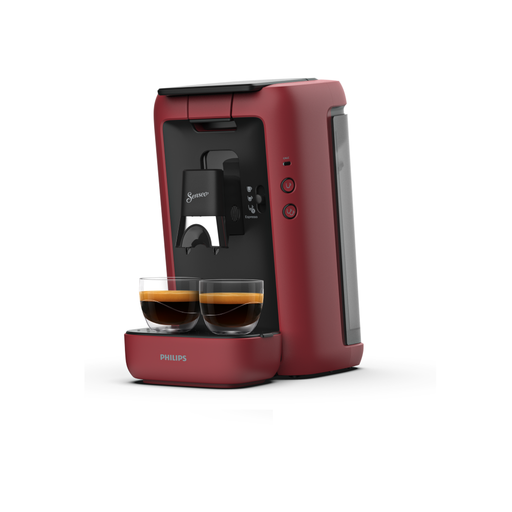 Image unavailable
This pod machine makes individual portions without the need to measure ground coffee. Check which pod format it accepts and how to descale this model.
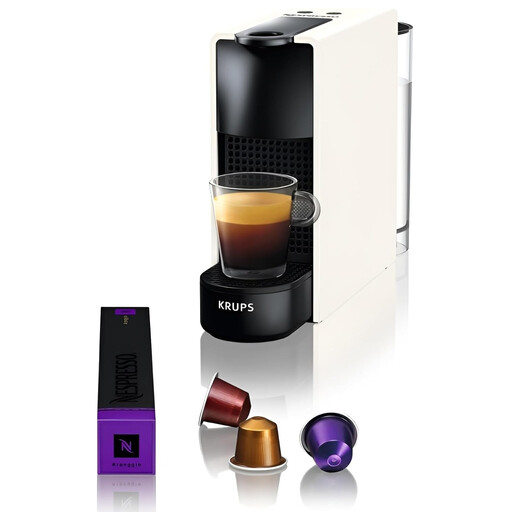 Image unavailable
This capsule machine is worth considering if space and ease of use are priorities. Check that it takes the Original capsules you want, then measure the space where you plan to put it.
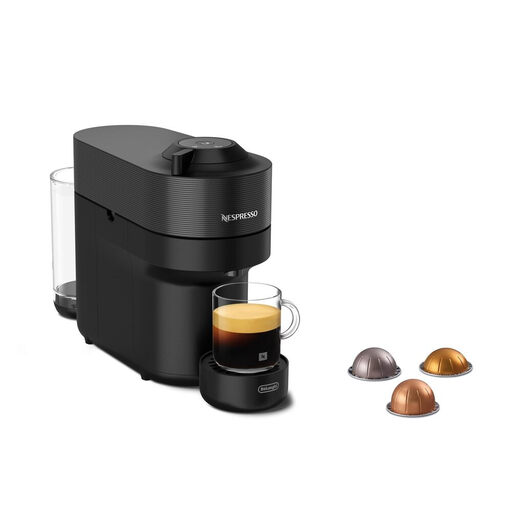 Image unavailable
This machine uses Vertuo capsules. Nespresso distinguishes Vertuo from Original, including through its cup sizes. Check which capsules are compatible and make sure the machine will fit in your chosen space.
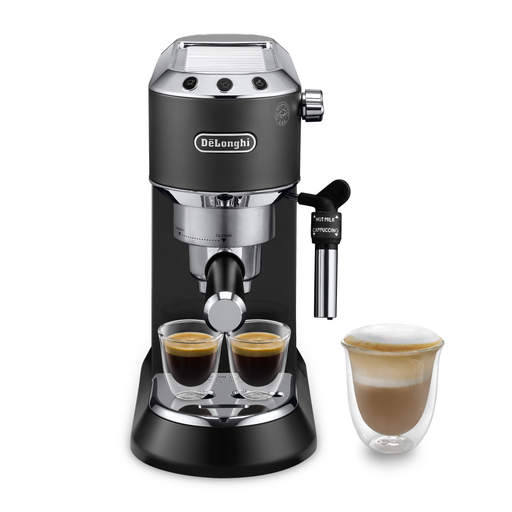 Image unavailable
This portafilter machine is suited to a routine where you want to be involved in making your coffee. Allow time for filling and cleaning, and check the water tank capacity on the product page before comparing it with other machines.
Check the exact system used by your machine before choosing capsules. Nespresso France lists Original and Vertuo as two separate systems, so the Nespresso name alone doesn’t guarantee compatibility.
No. Running costs depend on how many coffees you make and which consumables you choose. Que Choisir says a bean-to-cup machine can cost less per cup than pod espresso, even though the initial purchase price is higher. Compare the options based on how often you actually use your machine.
Follow the instructions for your model and take your water hardness and frequency of use into account. Que Choisir recommends descaling every two to three months on average, depending on these factors. The process itself varies from one machine to another.
Not necessarily. Que Choisir notes that some pods labelled as compostable need industrial treatment. Check the packaging and your local collection options. ADEME also gives different guidance for capsules depending on their material.