A team that takes breaks together
If several members enjoy a long coffee at the same time, compare the amount brewed per cycle with the volume actually poured into the club’s cups. Moulinex lists a 1,25 l carafe for the Subito FG360811.


For a shared break with long coffees, a filter coffee maker can brew several cups at once. For espressos enjoyed at different times, a capsule or bean-to-cup machine makes drinks individually. If members mainly want tea and other drinks prepared separately, a kettle may be enough, but it won’t make coffee. Whatever you choose, make sure the capacity suits the group’s needs and clearly assign responsibility for filling, restocking and maintenance.
If several members enjoy a long coffee at the same time, compare the amount brewed per cycle with the volume actually poured into the club’s cups. Moulinex lists a 1,25 l carafe for the Subito FG360811.
You’ll need to organise who fills the water tank, replenishes supplies, empties the containers and cleans the machine. The tasks vary depending on the system you choose: filter holder, used capsules or coffee grounds.
If members don’t all want the same drink, weigh up the need for long coffee, espresso, tea and herbal infusions before choosing an appliance. A kettle heats water, but doesn’t make coffee.
Consider it: for serving long coffee to several people during the same break.
Bear in mind: you’ll need to measure and store ground coffee, choose the right filters, and wash the filter holder and carafe.
Consider it: when members enjoy espresso or lungo at different times.
Bear in mind: each drink uses a capsule. Check which system it requires and the capacity of the water tank and capsule container.
Consider it: if the group prefers espresso made from beans and someone can keep on top of maintenance.
Bear in mind: you’ll need to empty the containers, clean the machine and descale it as instructed. The stated capacities don’t guarantee suitability for intensive group use.
Consider it: if tea, herbal infusions or a variety of drinks matter more than having a dedicated coffee machine.
Bear in mind: coffee will need to be prepared separately, and you’ll need to organise storage for the ingredients and containers.
In a small shared community space in France, priorities vary depending on how often it’s used and which drinks people want. An appliance’s capacity doesn’t remove the need to check the instructions and agree on how it will be maintained.
| Priority | What to check before you buy | Who it matters most to |
|---|---|---|
| Serving drinks during a shared break | Count the drinks needed at the busiest time and compare the amount brewed with the containers people use. | When several members want coffee during the same break, I want to avoid having to start a new brew for every cup. Around 36% of consumers prioritise serving a group this way. |
| Sharing maintenance and restocking | Check what needs filling, emptying and cleaning, as well as any descaling tasks listed in the instructions. | If several people use the machine, I want cleaning, water and supplies to be easy to manage between us. Around 29% of consumers prioritise manageable maintenance and restocking. |
| Choosing an individual espresso | Find out whether members prefer capsules or beans. Check the exact capsule compatibility or what’s involved in maintaining the grinder. | For members who want to choose their espresso cup by cup, the preparation method matters more than a large carafe. This is a priority for around 21% of consumers. |
| Offering a range of hot drinks | Find out how much demand there is for coffee, tea and herbal infusions, then allow space for separate preparations. | If the group mainly wants tea or herbal infusions, I’d rather check that a kettle meets the need than assume it can make coffee. Around 14% of consumers prioritise a variety of drinks. |
Moulinex lists a 1,25 l carafe for the Moulinex Subito FG360811. The number of servings depends on how much you pour into each cup or mug.
Measure the cups the club usually uses and compare their total capacity with the carafe.
If the club’s cups are larger than the cups used for the stated estimate, you may need to brew several times for one break.
A capsule machine needs its capsule container emptied, while a model with a grinder also requires you to deal with coffee grounds and the drip tray.
Before buying, assign responsibility for filling, emptying, cleaning and descaling, then check that the arrangements match the instructions for your chosen model.
Nespresso describes Original and Vertuo as two separate systems. The Essenza Mini Anthracite Mat reviewed here is designed for Nespresso Original capsules.
Check the exact system name on the machine and the supplies before ordering for the shared space.
The DGCCRF’s guidance on the legal guarantee of conformity concerns goods sold by a business to consumers. Don’t assume it applies to a purchase made in the name of an association without checking the relevant terms.
Ask for written confirmation of the warranty and service terms that apply to the buyer and intended group use.
The Subito FG360811 is an example of a filter coffee maker for brewing larger amounts of long coffee.
The Essenza Mini Anthracite Mat is an example of a machine for making individual espressos and lungos with the Original system.
The Magnifica S ECAM22.110.SB is an example of a bean-to-cup espresso machine for a group prepared to keep on top of maintenance.
The KI666AE0 is a kettle option for heating water for tea, herbal infusions or other drinks prepared separately.
This selection includes appliances for making individual espressos, heating water or brewing filter coffee. Bean-to-cup models meet a different need: making drinks from coffee beans.
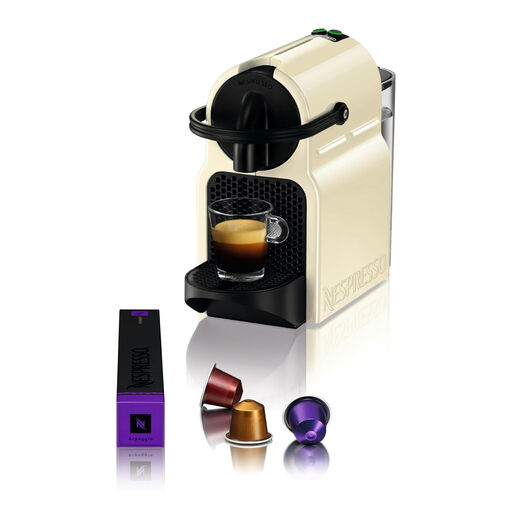 Image unavailable
For making individual espressos and lungos with Nespresso Original capsules or capsules compatible with this system.
0,7 l tank and a container listed as holding 11 used capsules. Be prepared to refill the tank and empty the container if drinks are made one after another.
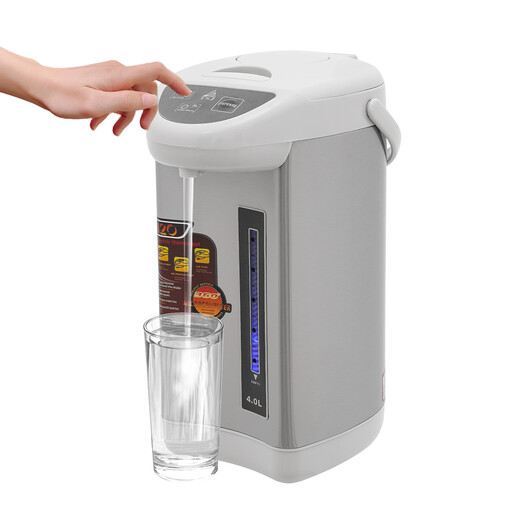 Image unavailable
For supplying hot water for drinks prepared separately; this appliance doesn’t make coffee itself.
The product description lists a 4 l capacity, 750 W power and three dispensing modes: automatic, cup-sensor or manual pump.
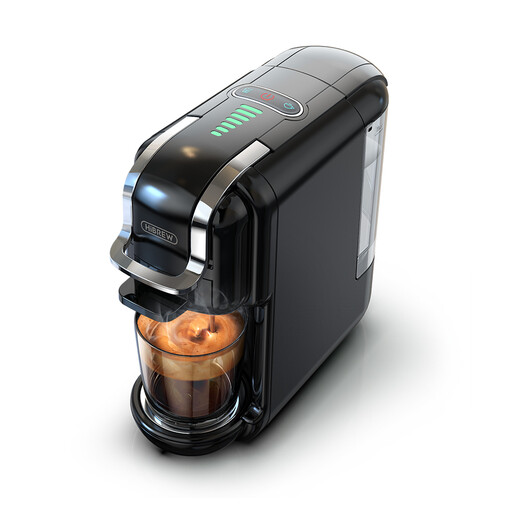 Image unavailable
For making individual drinks with several types of capsules or ground coffee, depending on the formats listed for this model.
The title mentions Dolce Gusto, Nespresso, ESE, ground coffee and 20 bar pressure; the description lists hot and cold modes. Cups or mugs taller than 3,8 inches won’t fit in the machine.
 Image unavailable
For making espresso from beans; the description also mentions coffee, cappuccino and the ability to make two coffees at once.
1,8 l tank, coffee grounds container listed as holding 12 servings and grinder with 12 settings. Regular cleaning of the brew group and maintenance of the milk system are required; AquaClean isn’t included.
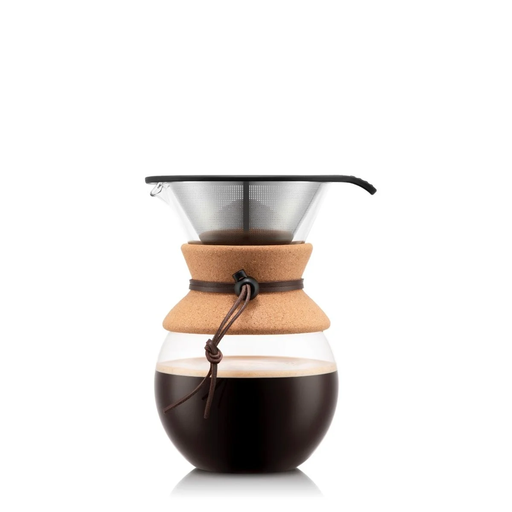 Image unavailable
For brewing a larger amount of filter coffee in a carafe listed at 1 l, or up to 8 cups according to the description.
The permanent filter is made of stainless steel. You’ll need to pour in hot water separately; the glass carafe can break and is sensitive to thermal shock.
No. Check the model’s instructions and ask whether the expected frequency of use matches its stated purpose and warranty terms. The instructions for the Essenza Mini reviewed here list workplace kitchen areas among uses similar to domestic use, but don’t state a professional output rate. This guidance doesn’t automatically apply to other appliances.
Assign someone and a back-up to take care of the water, supplies, emptying the containers and cleaning as set out in the instructions. What needs attention varies by model: the filter holder, used capsules or coffee grounds container.
Work out how many drinks you’ll make over a set period, then check which supplies are compatible, whether you’ll need filters and which cleaning products the model requires. Also check what parts and servicing are available for the model you choose.
Don’t assume so: the DGCCRF describes this guarantee for goods sold by a business to consumers. Before buying in the association’s name, ask for written confirmation of the warranty and service terms that apply to the buyer and intended use.
The DGCCRF describes obligations for food business operators, including their responsibility for food and good hygiene practices. Whether these apply depends on the activity actually being carried out. Don’t automatically apply the rules for a catering business to a space where members simply prepare their own drinks.