What should you check for everyday use?
Start with the coffee you drink most often, then consider whether the steps and maintenance involved in each system suit the number of cups you make at home.
| Priority |
What to check |
Think about your needs |
| Type of coffee |
Check whether the machine makes espresso, long coffee or both. See how much it makes in one go. |
I mainly drink several espressos in a row. If my household prefers longer coffees, a filter coffee maker is worth considering too. |
| Consumables |
Compare whole beans or ground coffee with compatible pods or capsules, based on a similar amount of coffee. Include any cleaning products required for the model. |
We make several cups a day at home, so I want to consider the repeat purchases, not just the machine itself. |
| Daily steps |
Check the measuring, tamping, emptying and cleaning required after each cup. If a two-cup function matters to you, make sure the specific model has one. |
In the morning, I might prefer a pre-measured portion. At other times, I’m happy to take the time to prepare a portafilter. |
| Maintenance |
Read the descaling procedure and cleaning instructions for the drip trays, brewing unit or milk frother, depending on the machine. Follow the instructions for your model. |
I can build these tasks into my routine, or choose a system that needs less handling between coffees. |
| Space and noise |
Measure the space available and check that you can access the water tanks. If you’re considering a bean-to-cup machine, think about the noise it makes while brewing too: Que Choisir says it takes up more space and is noisier than a capsule system or filter coffee maker. |
If my kitchen is small or I make coffee early, these factors could matter as much as the features on offer. |
| Waste and lifespan |
For single-serve portions, check what they’re made of and how to recycle them in your area. Also look into the machine’s maintenance and repair options. |
I want to be able to recycle used portions and keep my machine working for as long as possible. |
Coffee machines available on Joybuy
These models mainly cover coffee made from beans, with a filter coffee maker for households that prefer longer coffees. Start by choosing the type of drink and the routine that suits you.
 Image unavailable
Philips Series 2200 EP2230/10 LatteGo with grinder
Worth considering if you regularly make espressos from beans and would also like milk-based drinks. Check which recipes are available on the EP2230/10, as well as the accessories included and the descaling instructions.
View on Joybuy
 Image unavailable
De’Longhi Magnifica Start ECAM220.21.WW, white
This bean-to-cup machine could suit a daily espresso routine at home. If you make milk-based drinks, remember to clean the steam wand. Also check that the machine’s dimensions will fit the space you have in mind.
View on Joybuy
 Image unavailable
De’Longhi Magnifica S ECAM22.140.B, black
Worth a look if you’re after an automatic espresso machine with a grinder. Check how much space you’ll need around it. If you use the steam wand for milk, make sure cleaning it becomes part of your routine.
View on Joybuy
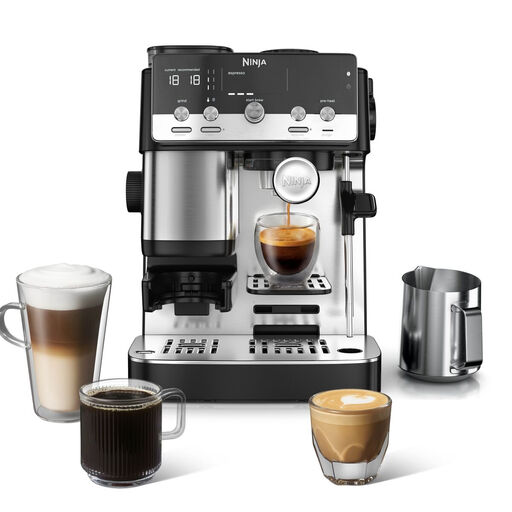 Image unavailable
Ninja Luxe Café Mini ES301EU, espresso and filter coffee machine with grinder
Its espresso and filter coffee options could suit a household that enjoys both. Before choosing this model, check its dimensions, maintenance requirements and the type of milk frother supplied.
View on Joybuy
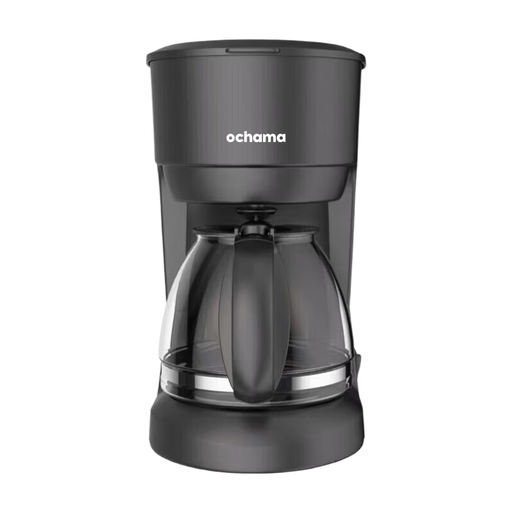 Image unavailable
ochama filter coffee maker, 600 W, 750 ml water tank
For longer coffees rather than espressos, this model offers a 30-minute keep-warm function. Check how many cups you can make with the 750 ml tank, the machine’s dimensions and which filters are included.
View on Joybuy
Frequently asked questions
Is a capsule machine suitable for several coffees a day?
Yes, if you prefer pre-measured portions and a simple routine. If you use it frequently, compare the capsules you’ll need with the coffee and maintenance costs of other systems. In its 2025 analysis, Que Choisir highlights the difference in cost per cup between capsules and a bean-to-cup machine.
When should you descale a coffee machine?
Follow the alert and procedure for your model rather than sticking to a one-size-fits-all schedule. How often you need to descale depends in part on how much you use the machine and your water. For bean-to-cup machines, Que Choisir recommends descaling when prompted.
How should you recycle coffee capsules in France?
According to ADEME, aluminium and plastic capsules should go in the recycling bin, bag or container for paper and packaging. For capsules made from other materials, check the product information and your local authority’s guidance before throwing them away or composting them.
Does a coffee machine bought from a trader come with a legal guarantee in France?
Yes. According to the French Ministry of the Economy, the legal guarantee of conformity applies in France to new, second-hand and refurbished goods sold by a trader to a private individual. It covers defects in conformity; it doesn’t replace the maintenance required for the machine.
What should you do with a coffee maker you no longer use?
First, check whether it can be repaired or given away. If you need to dispose of it, look up the small electrical appliance collection options listed by ADEME rather than putting it in with your general waste.


