What sets the different systems apart?
If you make several coffees a day, start with the type of coffee you serve most often. Then consider the space available and the tasks involved after each brew.
| Consideration |
What to check |
Best suited to |
| Individual coffees made from beans |
Check which drinks it makes and how easy it is to access the coffee grounds and drip trays, as well as the parts that need cleaning. |
I make coffees separately throughout the day and would rather have a machine that grinds the beans than fill a portafilter each time. Around 33% of consumers prioritise this. |
| A quick cup in a small space |
Check the dimensions, compatible capsule system and water tank capacity. |
In a small kitchen, I want to make a single cup with minimal effort, even if that means using dedicated capsules. Speed and a compact design come first for around 25% of consumers. |
| Long coffees served together |
Compare the pot’s capacity with the amount you usually make, and check whether it keeps coffee warm if cups are served at different times. |
When several people want a long coffee at the same time, I’d rather make a pot than brew each cup separately. Around 25% of consumers prioritise this way of serving coffee. |
| Manual espresso preparation |
Check which coffee the portafilter accepts, whether it has a steam wand if you need one, and what cleaning the instruction manual recommends. |
I’m happy to measure the coffee and clean the portafilter because I want to control how my espressos are made. Around 17% of consumers prioritise this hands-on approach. |
Machines available on Joybuy
These machines cover the four brewing styles featured here: automatic bean-to-cup, capsules, portafilter espresso and filter coffee. Start by comparing them based on the type of coffee you make most often.
 Image unavailable
Philips 2200 Series EP2230/10 LatteGo
Worth considering if you regularly make individual coffees from beans and want an espresso machine with a grinder. This model is labelled LatteGo; check which drinks it makes and what cleaning it requires in the product details and instruction manual.
View on Joybuy
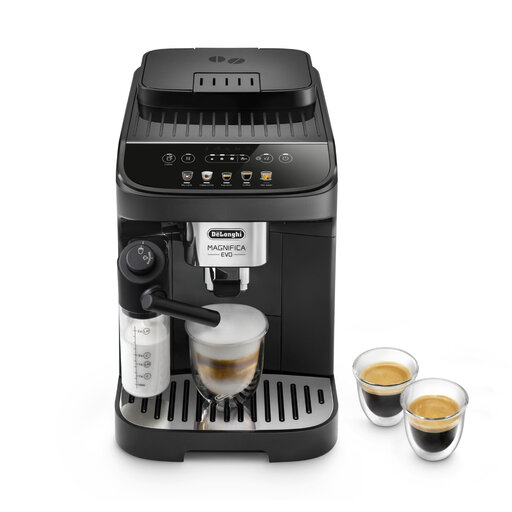 Image unavailable
De’Longhi Magnifica Evo ECAM290.61.B LatteCrema
Another option for individual coffees made with an automatic machine. If milk-based drinks are important to you, check which drinks this model makes and how to maintain its LatteCrema system. Make sure you also have enough space for it.
View on Joybuy
 Image unavailable
White KRUPS Nespresso Essenza Mini
Worth considering for individual coffees if you prefer a capsule machine. The variant name indicates a 0.6 L tank and 1,200 W power rating. Check which capsule system it’s compatible with and how to descale it before choosing.
View on Joybuy
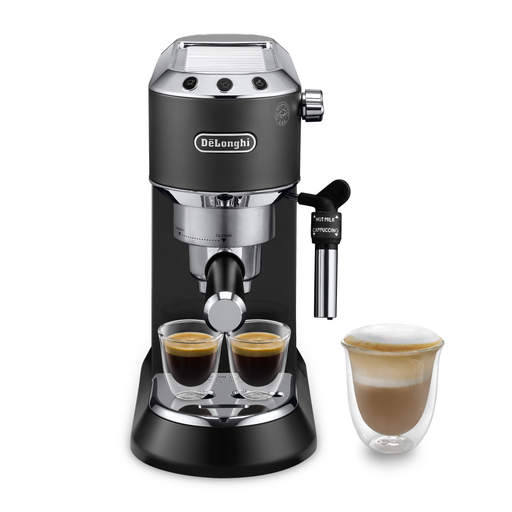 Image unavailable
Black De’Longhi Dedica Style EC685.BK
Worth considering if you want to make your espressos with a portafilter rather than an automatic control. You’ll need to take care of the preparation and cleaning yourself. Check this model’s instruction manual for descaling advice and compatible accessories.
View on Joybuy
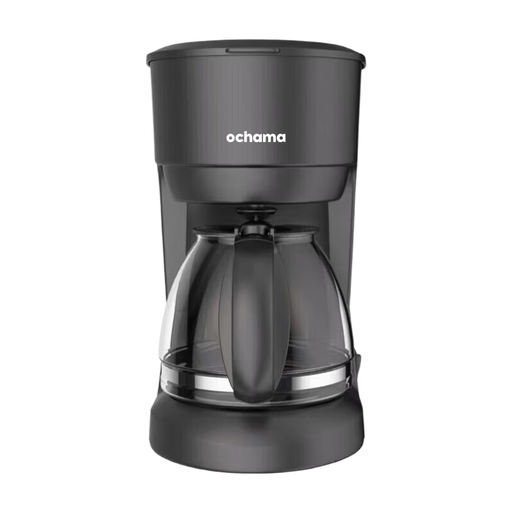 Image unavailable
ochama Filter Coffee Maker, 750 ml tank
Worth considering for brewing filter coffee to serve from a pot. The product name lists a 750 ml tank, 600 W power rating and a keep-warm function said to last 30 minutes. Check the instruction manual for the pot’s separate capacity and the conditions for keeping coffee warm.
View on Joybuy
Frequently asked questions
Filter coffee or espresso: which should you choose if several people drink coffee?
Choose a filter coffee maker if you usually serve several long coffees at once. An espresso machine is better suited to making individual cups throughout the day. For espresso, choose between capsules, a portafilter and a grinder based on the preparation and maintenance tasks you’re happy to take on.
What maintenance does a bean-to-cup espresso machine need if it’s used every day?
Clean the coffee grounds and drip trays regularly, and descale the machine as instructed for your model. Que Choisir highlights the importance of cleaning, while De’Longhi France notes that water hardness affects how often its bean-to-cup machines need descaling. Check the instruction manual for other parts that need maintenance.
Do you have to take used capsules back to a shop in France?
No, returning them to a shop isn’t the only option. According to ADEME guidance updated on 1 October 2026, aluminium or plastic capsules can go in the recycling bin, bag or container for paper and packaging. For paper capsules, check which composting or food waste collection options are available locally.
How often should you descale a portafilter espresso machine?
Follow your machine’s instruction manual. The frequency depends in part on water hardness and how many coffees you make. For its traditional espresso machines, De’Longhi France recommends descaling every month or every two months if the water is very hard, and every three or six months if it’s soft. These intervals don’t automatically apply to other models.


