What should you look for in the morning?
First decide whether your priority is making several cups at once or preparing an individual drink. Then consider how much time and space you have, and how much maintenance you are prepared to do.
| What matters to you |
What to check before buying |
Consumers with this priority |
| Serving several coffees at once |
Model capacity in litres and cups; a timer if you want to schedule brewing. |
When everyone at home has coffee at the same time, I’d rather make a full carafe than restart the machine for each person. Around 29% of consumers prioritise being able to make a shared quantity. |
| Keeping morning steps to a minimum |
What you need to do before your first drink, preheating and capsule compatibility, where applicable. |
If I’m leaving early, I want to make my drink without having to go through lots of steps. Around 29% of consumers put this convenience ahead of other criteria. |
| Saving space and keeping noise down |
Dimensions, including access to the reservoirs; noise when grinding, rinsing or dispensing. |
In a small kitchen, or when other people are asleep, the machine’s position and noise are the main considerations. Around 18% of consumers prioritise keeping things quiet day to day. |
| Managing consumables and maintenance |
The type of coffee used, filters required, parts to clean and instructions for sorting capsules for recycling. |
I want to know what I’ll need to do and buy for each coffee before choosing a system. This is the main concern for around 24% of consumers. |
Machines and coffee makers for these needs
These products cover several ways to make coffee at home: bean-to-cup espresso, capsules, manual espresso and a cafetière. First choose the brewing method that suits your mornings, then check the specifications of the model.
 Image unavailable
Philips Series 2200 EP2230/10 LatteGo bean-to-cup espresso machine
Worth considering if you want to make coffee from beans and are also interested in milk-based drinks. Check the maintenance steps, the consumables supplied, and the noise and preparation time if these factors will influence your choice.
View on Joybuy
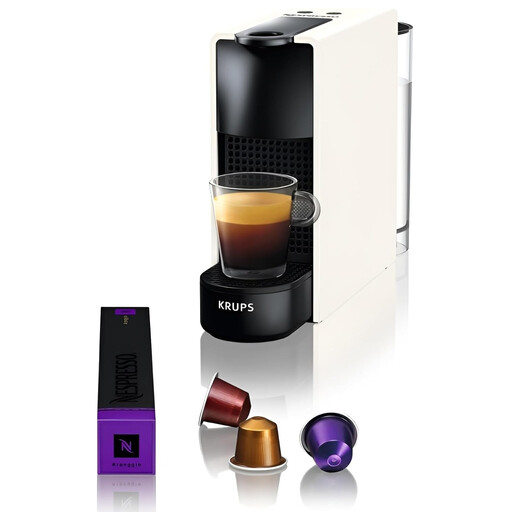 Image unavailable
KRUPS Nespresso Essenza Mini, white, 0.6 L
For making individual drinks with capsules when space is limited. The product name lists a 0.6 L reservoir and 1,200 W of power. Check that the capsules you plan to use are compatible with the Nespresso Original system.
View on Joybuy
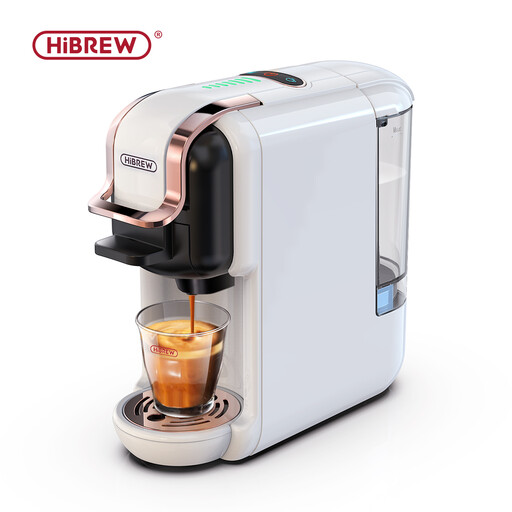 Image unavailable
HiBREW H2B 5 in 1, hot and cold capsule machine
Consider this for individual drinks if you want to compare machines that use different consumable formats. Before choosing it, confirm exactly which adapters and capsules are compatible, particularly for ESE pods and ground coffee. Also check that your cup will fit under the outlet.
View on Joybuy
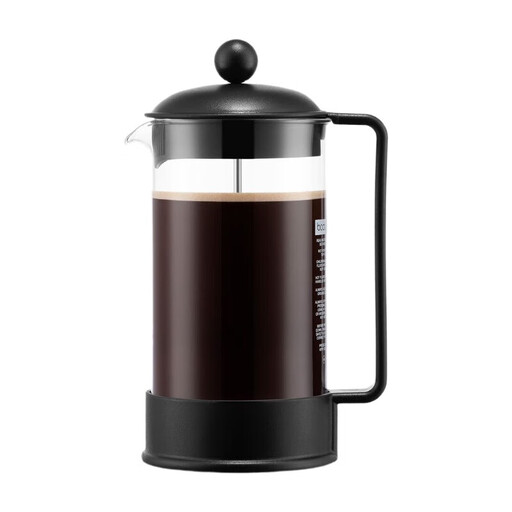 Image unavailable
BODUM Brazil, black cafetière, 1 L, 8 cups
For making coffee by hand to share, without capsules. This 1 L cafetière is listed as making 8 cups. It requires hot water and must not be placed on a heat source or used in a microwave.
View on Joybuy
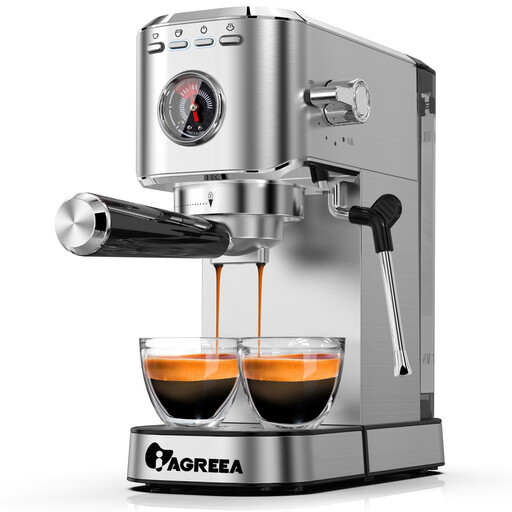 Image unavailable
IAGREEA, manual espresso machine with steam wand, 1.1 L
For anyone who wants to be involved in making an espresso rather than simply selecting a capsule drink. The product name lists a removable 1.1 L reservoir. Before buying, confirm that the voltage and mains frequency are suitable for your home, and check whether it includes a grinder if you plan to use beans.
View on Joybuy
Frequently asked questions
How should I choose between capsules, beans and ground coffee for the morning?
Start by considering how many drinks you need to make and how much effort you are willing to put in before choosing the type of coffee. When comparing consumables for different machines, take account of the amount used for your usual drinks, the packaging, any filters required and the model’s maintenance needs.
Where should I put used coffee capsules for recycling in France?
According to ADEME, aluminium or plastic capsules should go in the recycling bin, bag or container. Check the product’s recycling instructions too, so you can make this part of your routine.
What maintenance does a bean-to-cup espresso machine need?
Clean the parts specified in the model’s manual and descale the machine according to its instructions. De'Longhi also recommends servicing its bean-to-cup espresso machines every year or two, depending on how often they are used. This is the brand’s recommendation.
What should I do with an old electric coffee machine in France?
Depending on what is available, you could take it to a collection point, a recycling centre, a retailer or a social and solidarity economy organisation. The French ministries responsible for the ecological transition list these options for collecting electrical equipment. Check the arrangements at your chosen location.
Should I take out an extended warranty for a coffee machine?
No. A commercial warranty or extended warranty is optional. The National Institute of Consumption distinguishes these from statutory warranties. Check the terms of the contract on offer and do not confuse it with the rights that apply whether or not you take out the warranty.


