Hosting a few guests
If you rarely make coffee, a capsule or pod machine can make it easier to serve one cup at a time. Product information from Nespresso France and Philips France shows that some models can prepare one or two cups.


If you’ll mainly be serving one or two cups as and when they’re wanted, compare capsule and pod machines based on the type of coffee you prefer and which compatible consumables are available. If several guests prefer a longer coffee, a filter coffee machine may be better suited to serving them. A manual espresso machine or a model with a grinder involves more steps or maintenance, so weigh these up against occasional use.
If you rarely make coffee, a capsule or pod machine can make it easier to serve one cup at a time. Product information from Nespresso France and Philips France shows that some models can prepare one or two cups.
If several guests would like a longer coffee, compare a filter coffee machine that makes a whole carafe with appliances that serve cups one after another. For example, Melitta France states that the Easy II can make up to ten cups.
If you want to choose the coffee and get involved in making it, a portafilter lets you measure and prepare espresso yourself, but involves more steps and cleaning. De’Longhi distinguishes this approach from its automatic machine with a grinder.
First, choose based on how many cups you usually serve. Then check the space you have available and the maintenance involved in making each cup.
| What matters | What to check before buying | Who it matters most to |
|---|---|---|
| Making a cup with ease | Check how many cups the machine makes at a time and the exact capsule or pod format it accepts. | If you rarely make coffee and want to serve a cup without measuring ground coffee, around 28 % of consumers prioritise convenience. |
| Serving several guests | Compare how many cups can be made at once with the amount you actually need, rather than looking only at the maximum capacity. | When several guests drink a longer coffee at the same time, around 22 % of consumers prioritise serving a group. |
| Saving space | Measure the width, depth and height, as well as the space needed to fill the reservoir and use the machine. | If you have limited worktop space, around 22 % of consumers want to minimise the space their machine takes up in the kitchen. |
| Consumables and maintenance | Check the consumable format, any filters required and the cleaning or descaling tasks recommended for the model. | For a machine used from time to time, around 17 % of consumers pay close attention to consumables and maintenance. |
| Noise while making coffee | If noise is a key consideration, look for a test of the exact model that specifies which stages were measured. | In a flat where the noise of making coffee could be a nuisance, around 11 % of consumers prioritise quiet operation. |
Always compare the exact model variant when checking dimensions: Nespresso France gives the dimensions of the black Essenza Mini as 8,4 × 33 × 20,4 cm, while De’Longhi states that the Dedica EC685.W EX:4 is 15 cm wide. UFC-Que Choisir’s testing procedure takes several stages of preparation into account and includes a sound meter measurement. Unless the models you’re interested in have been tested on a comparable basis, don’t rank them by noise level.
Original capsules, SENSEO pods and E.S.E pods belong to different systems, so a pack may not work with the machine you choose.
Note down the appliance’s full model reference and check which format it accepts before choosing your consumables.
A large carafe may be impractical if you usually make just one or two cups.
Compare the smallest amount you want to make and the number of guests you’ll serve at once with the model’s capacity.
Width alone doesn’t tell you the machine’s depth or height. Noise can also vary between preparation stages, particularly when a grinder is running.
Measure the space available and, if noise is a deciding factor, look for an acoustic test of the exact model that states which stages were assessed.
The Original system is worth considering for serving individual espressos or lungos.
Worth considering if you want to serve longer coffees using soft pods.
Its documented filter coffee machines cater for different quantities, from a small serving to a full carafe.
The brand offers a manual portafilter machine and an automatic machine with a grinder here: two distinct ways to make coffee.
This selection includes pod and capsule machines for making cups as and when you need them, as well as filter coffee machines for serving several people.
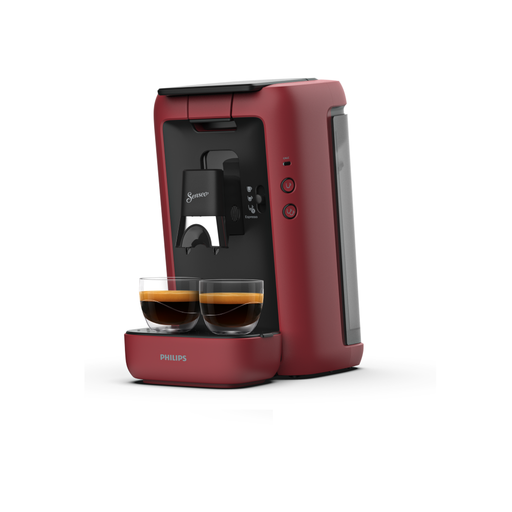 No image available
Worth considering if you want to make one or two cups at a time using SENSEO pods.
This machine is listed with a 1,2 L reservoir, a descaling indicator and removable dishwasher-safe parts. The product information recommends descaling every three months.
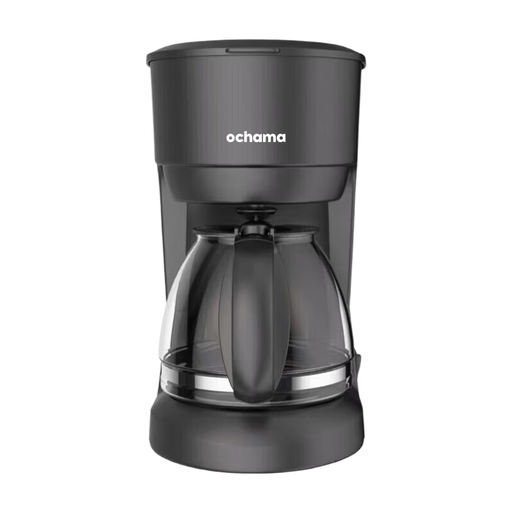 No image available
Worth considering if you want to make filter coffee at home and keep it warm after brewing.
The product information lists a 750 ml reservoir and a 30 minute keep-warm function. It uses ground coffee and a paper filter, or a permanent filter if one is included, as specified in the instructions.
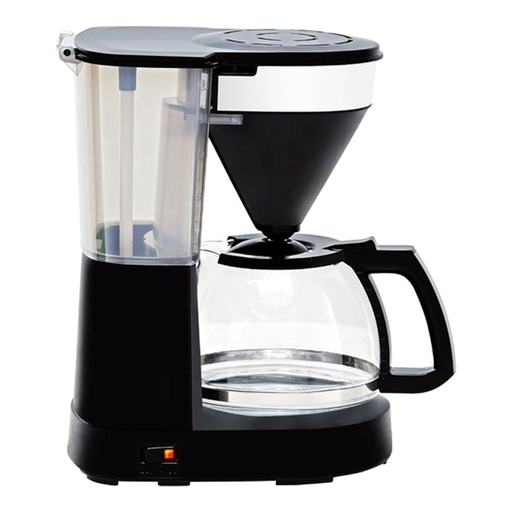 No image available
Worth considering if you want to make a carafe of filter coffee for several guests.
The product information lists a maximum capacity of ten cups, a 1,25 L reservoir, a Melitta 1x4 filter and a dishwasher-safe glass carafe. Ground coffee and a suitable filter are required.
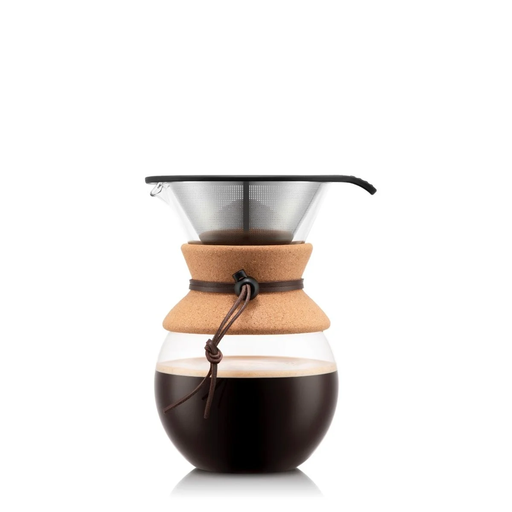 No image available
Worth considering if you want to make filter coffee by hand for several people without using paper filters.
The borosilicate glass carafe comes with a permanent stainless steel filter and has a stated capacity of 1 L, or around eight cups. Pour hot water over the ground coffee. The glass is fragile and must not be placed directly on a heat source.
 No image available
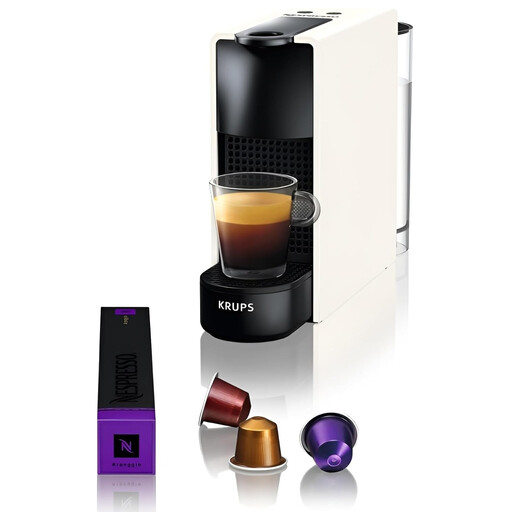
Worth considering if you make espressos or lungos on demand and have limited width in your kitchen.
The product information lists two programmable volumes, 40 ml and 110 ml, a width of 8,4 cm, a removable 0,6 L reservoir and a container that holds six used capsules. It states that the machine uses Nespresso Original or compatible capsules.
Compare the amount of coffee you usually make, the consumables and the maintenance required for each system. For a filter coffee machine, also consider the right filters and cleaning the carafe. For a grinder, check the maintenance tasks listed for the model.
Follow the model’s instructions for setting it up, cleaning and descaling. For the SENSEO Original Plus, Philips states that the one-cup and two-cup buttons flashing at the same time means it’s time to descale. For the Dedica, De’Longhi says that how often you need to descale depends on the water hardness.
No. Check the format designed for the exact machine. The product information distinguishes between Original capsules for the Essenza Mini, SENSEO pods for the Philips machine and the E.S.E option for the Dedica.
Contact the professional seller you bought the item from. The French Ministry of the Economy and Finance notes that this mandatory guarantee applies to new, second-hand and refurbished goods sold to consumers. The stated period for exercising it is two years for new and second-hand goods. It is separate from a manufacturer’s commercial warranty.
ADEME advises putting aluminium or plastic capsules in the recycling bin for paper and packaging. Some brands also offer in-store collection. For paper capsules, ADEME mentions composting where a suitable facility is available nearby.