Households looking to keep things simple
If you make coffee regularly but don’t want to measure or tamp it, capsules and soft pods come in pre-portioned servings. Do check which format the machine accepts and which consumables you’ll need.


If you make coffee at home regularly, choose capsules or soft pods to keep things simple, a portafilter if you want to get involved in the brewing process, or a bean-to-cup machine if you want to choose your own beans without measuring out every cup. Your choice will also depend on the cost per serving, the space you have available and how much maintenance you’re willing to take on : none of these options makes every aspect easier at once.
If you make coffee regularly but don’t want to measure or tamp it, capsules and soft pods come in pre-portioned servings. Do check which format the machine accepts and which consumables you’ll need.
If you make several coffees a day, compare how much you’ll spend on coffee over time. UFC-Que Choisir found that the cost per cup is lower with a bean-to-cup machine than with pods, while noting that the machine requires a larger initial investment.
A portafilter machine is a good fit if you want to choose your ground coffee and handle the preparation yourself. De’Longhi, for example, describes filling and tamping the portafilter before brewing : these steps take up a noticeable part of everyday use.
If you make coffee regularly, start by thinking about the steps you’re happy to repeat for every cup, then consider consumables and maintenance. UFC-Que Choisir identifies four types of machine ; the trade-offs aren’t the same for each.
Worth considering : if you want pre-portioned servings and have limited space.
The trade-off : check which format is compatible and be prepared to buy capsules regularly.
Worth considering : if you mainly drink longer coffees and want simple controls.
The trade-off : you’ll be limited to pods that fit the model. Philips says the SENSEO Original model cited can make one or two cups in under a minute; this doesn’t apply to all pod machines.
Worth considering : if you’re interested in choosing ground coffee and taking part in the brewing process.
The trade-off : filling, tamping and cleaning the portafilter adds steps to every coffee you make.
Worth considering : if you make coffee regularly, want to choose your beans and prefer to start brewing at the touch of a button.
The trade-off : you’ll need to empty the containers, rinse the machine and descale it as recommended for your model.
| Factor | What to check | Who is it for ? |
|---|---|---|
| Speed and simplicity | Check the steps needed to make your usual drink and how many cups you can prepare in a row. | When I’m making several coffees in a row, I want to avoid measuring and tamping each time. Around 29 % of consumers put this convenience first. |
| Running costs and servings | Compare the cost of the coffee you’ll use, and check the serving format and how it should be recycled. | If my household makes several coffees a day, I want to manage the cost of consumables and avoid individually wrapped servings. This is the top priority for around 29 % of consumers. |
| Choice of coffee and settings | Check which coffees the machine accepts and what settings are available for cup size, strength or grind on the specific model. | I want to choose my own beans or ground coffee and influence how it’s prepared, even if that takes more effort. Around 21 % of consumers prioritise this flexibility. |
| Maintenance | Check the manual for descaling, containers that need emptying and, where applicable, cleaning the milk system. | A machine used regularly should also be easy to manage after each round of coffees : I don’t want jobs that my household will keep putting off. For around 21 % of consumers, easy-to-manage maintenance is the top priority. |
In a household that makes coffee regularly, servings quickly add up. UFC-Que Choisir says capsules and pods cost more than beans or ground coffee.
Keep track of how much coffee you use over a month and compare the cost of the coffee you’d buy for each system, rather than focusing only on the machine.
Brewing can be automated, but cleaning isn’t entirely hands-free. Philips says the rinse cycle can quickly fill the drip tray on some grinders ; De’Longhi recommends removing milk residue promptly after making a milk-based drink.
Check the manual for the model you’re considering to find out what’s involved in emptying containers, descaling and, where relevant, cleaning the milk system.
Capsules are still individually packaged items that need to be dealt with. In France, ADEME says aluminium and plastic capsules should go in the recycling for paper and packaging.
If you want to cut down on individually wrapped servings, consider a portafilter or bean-to-cup machine too. If you choose capsules, plan how you’ll collect them after use.
A setting or milk accessory is only useful if it suits the drinks your household makes. Milk-related parts also mean extra cleaning.
Make a note of the coffees you make most often, then check which models have the features you need for those drinks.
The brand makes capsule machines and, in France, offers collection, support and repair services.
Philips makes SENSEO soft pod machines as well as bean-to-cup espresso machines : be sure to compare the right ranges for your needs.
The range includes manual portafilter machines and automatic bean-to-cup machines, offering different ways to get involved in making your coffee.
These models include bean-to-cup machines, a portafilter machine and a capsule machine for making coffee at home. Compare them based on the preparation and maintenance steps you’re happy with ; soft pods are another option, as described above.
 Image unavailable
Worth considering if you regularly want to make coffee from beans rather than use pre-portioned servings. The name of this variant indicates that it has a grinder and the LatteGo system ; check which drinks it makes and what’s involved in cleaning the milk system. Also check the maintenance instructions for use with or without an AquaClean filter.
 Image unavailable
This automatic bean-to-cup machine is suited to households that want to use beans without preparing each shot with a portafilter. If you plan to use the steam wand, factor in the cleaning it needs ; also check the machine’s dimensions and descaling instructions.
 Image unavailable
This bean-to-cup machine could suit a household that prefers an automated brewing process to the steps involved with a portafilter. Before making room for it in your kitchen, check its dimensions and the cleaning routine for this variant.
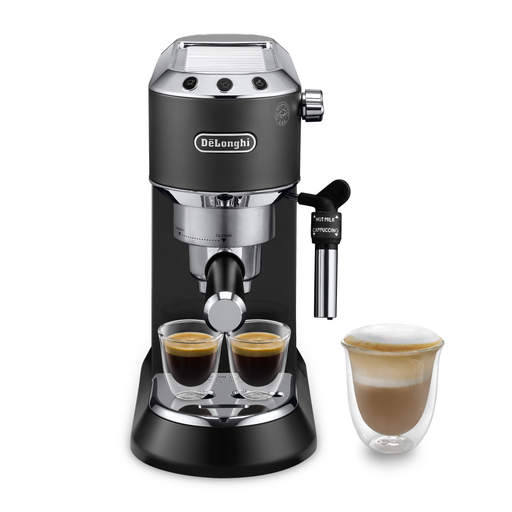 Image unavailable
This portafilter machine is a good fit if you want to be involved in making your coffee. Allow time to fill and clean the portafilter, and to maintain the steam wand if you use it. Check the water tank capacity of the variant on sale before buying : the information available for this model varies.
 Image unavailable
This capsule machine suits anyone who wants to make coffee with minimal effort. Its 0.6 L water tank may need refilling often if your household makes lots of cups ; also check which capsule format it accepts and the descaling instructions for this variant.
A soft pod machine is worth considering if you mainly drink longer coffees and want simple controls. Philips says the SENSEO Original model cited can make one or two cups in under a minute ; check this feature and the pod format for the model you’re considering.
In its guide to bean-to-cup espresso machines, UFC-Que Choisir says the cost per cup is two to three times lower than for pod espresso. This comparison doesn’t include the cost of your machine : compare how much coffee you drink, the coffee you choose and the maintenance required.
Yes, these machines need descaling too. For the machines concerned, Nespresso recommends descaling every three months or after around 300 capsules ; Philips provides descaling instructions for each SENSEO model. Follow your machine’s manual and take your water hardness into account.
According to ADEME, aluminium or plastic capsules should go in the recycling bin, bag or container for paper and packaging. Keep a container by the machine if you want to collect them before sorting them for recycling.
Contact the seller and explain what’s wrong. In France, the Ministry of the Economy says the statutory guarantee of conformity applies to new, second-hand and refurbished goods sold by a business to an individual ; whether it applies depends on the circumstances.