For a regular espresso, choose a machine based on the steps you’re happy to take each day: capsules or pods for simple preparation, a portafilter if you want to handle the ground coffee yourself, or a grinder to automate the process using beans. If you mainly drink larger cups or serve several people, consider a filter coffee machine instead. Whichever type you choose, check which drinks it can make, how much space it needs, how easy it is to get the coffee it uses and what maintenance it requires.
Which type of machine is right for you?
For people who drink espresso every day
If you want to choose your own beans and automate the preparation, consider a machine with a grinder. UFC-Que Choisir highlights these as an option for coffee enthusiasts and people who drink a lot of coffee. A portafilter may suit you better if you enjoy measuring and tamping the ground coffee yourself.
For people who want to make a cup with minimal effort
Capsules and soft pods let you prepare a drink without measuring out the coffee each time. Check that the formats compatible with the machine suit your usual cups and are easy for you to buy.
For households that prefer longer coffee or a full pot
For larger cups or several coffees brewed at once, look at filter coffee machines and their capacity. UFC-Que Choisir distinguishes this use from making a short espresso.
What should you check before choosing?
Start with the drinks you make most often, then see how each system fits your routine and the space you have available.
| What to consider |
What to check |
How you use it |
| Drink size |
Compare the cup sizes on offer. A filter coffee machine suits longer coffees or a full pot. For espresso, consider capsules, pods, a portafilter or a grinder, and check which drinks each model can make. |
I care more about a large cup or making several coffees at once than a short espresso. |
| Everyday steps |
Check what you need to do to make each cup. Capsules and pods are pre-measured; a portafilter requires you to prepare the ground coffee, while a grinder automates grinding and preparation, depending on the model. |
I prefer to be involved in making my coffee, or I’d rather get a cup with as little handling as possible. |
| Coffee choice |
Check exactly which capsules or pods are compatible and what formats are available. With a portafilter or grinder, check whether it uses ground coffee or beans respectively. Other options vary by model. |
Being able to change my coffee matters to me, or I want to be able to find my machine’s refills easily. |
| Maintenance |
Check the instructions for cleaning and descaling. For a grinder, also look at how easy it is to access the containers and brewing unit, if removable. A milk system means there are extra parts to clean. |
Making coffee can be quick, but I also need to be able to fit the maintenance into my routine. |
| Size and capacity |
Measure the space you have and allow room to fill the water tank or remove the containers. Check that the capacity suits the amount of coffee you usually make. |
My machine needs to be easy to access in my kitchen without awkward refilling. |
| Waste |
Compare single-serve packaging with options that use beans or ground coffee. In France, ADEME says aluminium and plastic capsules should go in the packaging recycling collection; recycling them doesn’t eliminate the waste they create. |
If I want to cut down on single-serve packaging, I also need to consider how to dispose of coffee grounds and, depending on the machine, filters. |
What mistakes should you avoid?
-
Choosing a capsule machine without checking its system
Drink sizes and compatible capsules depend on the system. Nespresso, for example, distinguishes between Original and Vertuo, so the brand name alone doesn’t tell you whether capsules will be compatible.
Make a note of the drinks you often prepare, then check which capsules work with the machine you’re considering and whether they’re available in your area.
-
Forgetting to factor maintenance into your routine
Cleaning and descaling are still necessary, even when the machine automates the process of making a cup. The steps involved depend in part on how easy it is to access the containers, brewing unit and any milk components.
Check the instructions for the model to see what needs doing and which products are compatible.
Also allow time for these tasks and consider whether you’ll need filters or cleaning products.
-
Choosing a filter coffee machine when you mainly drink espresso
Making a pot of longer coffee doesn’t meet the same need as making a short espresso.
If espresso is the main choice in your household, compare capsule, pod, portafilter and grinder machines. Keep a filter coffee machine on your shortlist if larger cups are a priority.
-
Assuming recyclable capsules mean no waste
ADEME explains how to sort aluminium and plastic capsules in France, while also recommending that you limit single-serve packaging where possible.
If this matters to you, also compare machines that use beans or ground coffee, and consider how to dispose of the coffee grounds.
A few brands to know
Nespresso
A brand to consider if you’re looking at capsule machines and want to compare the Original and Vertuo systems.
- Nespresso says Original covers drink sizes from ristretto to lungo.
- Check the system used by each machine, the drink sizes on offer and which capsules it takes: Original and Vertuo are separate systems.
Senseo
An option for people who want to make one or two cups easily with soft pods, depending on the model.
- Senseo says its Original model can make one or two cups.
- Check the type of pod, drink sizes and water tank capacity for the model you choose.
De’Longhi
A brand to look at if you’re choosing between making coffee manually with a portafilter and using an automatic machine with a grinder.
- De’Longhi lists filling and tamping the portafilter as steps required with its manual machines.
- Compare the level of automation, milk-based drinks and cleaning requirements of each model.
Melitta
A brand with both bean-to-cup machines and filter coffee machines, two options for different types of drinks.
- Melitta lists instruction manuals for both types of machine on its French website.
- Check the instructions for the exact model to find out about its features and maintenance.
Bean-to-cup machines available on Joybuy
These models are for making espresso at home with a grinder. When choosing between them, consider how often you make milk-based drinks and what maintenance you’re happy to do. If capsules, pods, a portafilter or a filter coffee machine better suit your habits, compare those options too.
 Image unavailable
Philips Series 2200 EP2230/10 LatteGo, black
An option to consider if you make espresso from beans and also want milk-based drinks with the LatteGo system. Check how to clean the system and which maintenance products you’ll need.
View on Joybuy
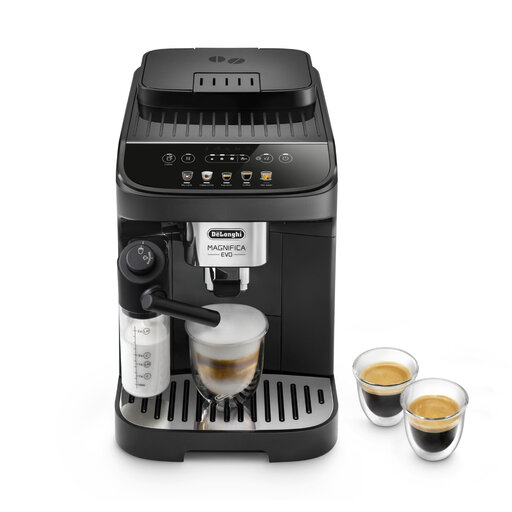 Image unavailable
De’Longhi Magnifica Evo ECAM290.61.B LatteCrema, black
This grinder machine with a LatteCrema system is designed for making espresso and milk-based drinks. If you’re comparing machines with a milk system, check the instructions for how to clean it after use.
View on Joybuy
 Image unavailable
HiBREW H16, grinder and touchscreen, 6 coffee options
The H16 is worth considering if you want to choose from different coffees on an automatic machine with a grinder. If milk-based drinks are part of your routine, check the instructions for the cleaning steps involved before you decide.
View on Joybuy
 Image unavailable
De’Longhi Magnifica Start ECAM220.21.WW, white
This bean-to-cup machine is a good option to compare if you regularly make espresso. For milk-based drinks, the steam wand requires you to prepare and clean it manually, so bear that in mind if you make them often.
View on Joybuy
 Image unavailable
De’Longhi Magnifica S ECAM22.140.B, black
This machine with a grinder is another option for making espresso at home. The steam wand requires manual preparation and cleaning for milk-based drinks, so check the instructions if you use it often.
View on Joybuy
Frequently asked questions
Is a grinder right for everyone who drinks a lot of coffee?
No. A machine with a grinder is mainly worth considering if you regularly make espresso from beans and are happy to maintain it. A portafilter involves more steps for you to do yourself. If you mainly serve several cups of longer coffee, a filter coffee machine is designed for a different kind of use.
Does a machine need maintenance if it’s still working normally?
Yes. Follow the cleaning and descaling instructions in the manual. As general guidance, UFC-Que Choisir recommends descaling every two to three months on average. Water hardness, how often you use the machine and the model’s own instructions will all help you work out a suitable routine.
Where should you dispose of coffee capsules in France?
ADEME says aluminium and plastic capsules should go in the recycling bin, bag or container for paper and packaging. For paper capsules, check the product guidance and whether there’s a local composting or food-waste collection service before putting them there.


