
Livraison le jour même ou le lendemain

Qualité garantie

Débloquez vos offres de bienvenue: Livraison GRATUITE | Jusqu'à -80 % | 30 jours d'essai gratuits à JoyPlus
Téléchargez l'application
Finding the perfect coffee machine for your mornings can be a daunting task. The market is vast, and each technology promises a different experience, from the powerful aroma of freshly ground beans to the convenience of a programmable machine.
My role, as a product expert at Joybuy, is to do the groundwork for you. This guide is designed to help you navigate the different options and find the machine that truly suits your tastes, budget, and lifestyle.
Before diving into our coffee machine comparison, let's review the key points that will help you sort through the options.
Beans, ground, or pods? Your preference will largely determine the machine you need.
Your lifestyle is a decisive factor. Always short on time in the morning? A programmable coffee maker, which starts brewing before you even get out of bed, will be a game-changer. Also, consider maintenance: machines with automatic cleaning and descaling programs save you a chore and ensure a longer lifespan for your appliance, all while preserving the taste of your coffee.
The most advanced models allow you to customise everything: grind fineness, aroma intensity, water temperature, cup volume... You are the barista. And for fans of cappuccinos and lattes, a machine with a steam wand or an automatic milk frother is essential for creating a creamy milk foam.
To give you a concrete overview, we have selected three iconic machines, each catering to a specific user profile.
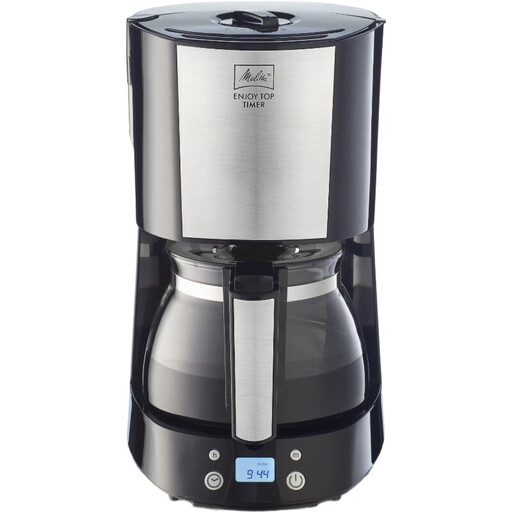
Why we love it: It combines the simplicity of a traditional drip coffee maker with thoughtful features. Its standout feature? The timer, which lets you wake up to the wonderful aroma of freshly brewed coffee.
Advantages:
Who is it for? Ideal for families or those who drink several cups in the morning and appreciate the convenience of a programmable machine without the hassle.
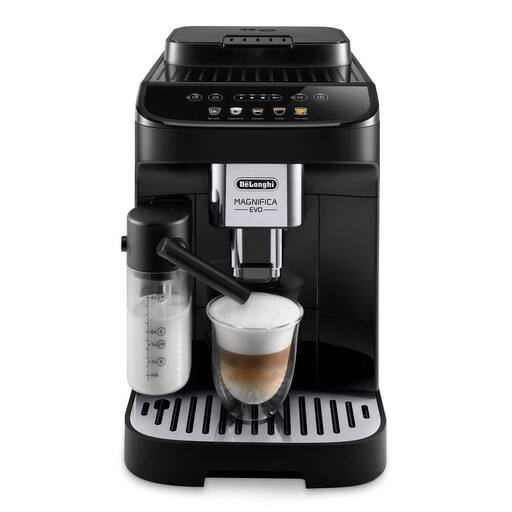
Why we love it: The Magnifica Evo from De'Longhi delivers the promise of professional-quality coffee at home. With a single touch, it transforms beans into a perfect espresso or a creamy cappuccino, thanks to its LatteCrema system.
Advantages:
Who is it for? For coffee lovers who seek the freshness of beans and the ability to prepare a variety of drinks, including milk-based ones, with maximum simplicity and control.
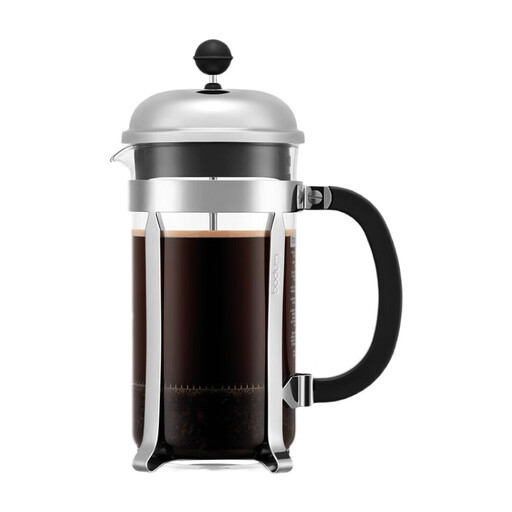
Why we love it: The Bodum Chambord French press is an icon. Timeless, it embodies the pleasure of manual preparation—a simple, authentic ritual with no electronics or complications.
Advantages:
Who is it for? For purists who enjoy the ritual of manual preparation and seek a full-bodied coffee with intense flavour. It's also an excellent portable option or for those with limited space.
These three machines perfectly illustrate the different coffee philosophies. Each has its strengths, and the best choice will always be the one that matches your desires and habits.
If you want to explore more models, features, or designs, we invite you to browse our complete collection of black coffee machines.
1. What is the difference between a bean-to-cup machine and a classic espresso machine? A bean-to-cup machine, also known as a "super-automatic espresso machine," is an all-in-one solution: it automatically grinds the beans, doses the coffee, and performs the extraction. In contrast, a classic manual espresso machine requires a separate coffee grinder and your intervention to tamp the grounds and start the extraction. It therefore offers much more control, which appeals to experts and enthusiasts.
2. How do I maintain my coffee machine to extend its lifespan? Maintenance is key to longevity. On a daily basis, remember to clean the removable parts (drip tray, milk carafe, etc.). Above all, do not neglect regular descaling: limescale is the number one enemy of your machine and the taste of your coffee. Follow the manufacturer's recommendations and adjust the frequency based on the hardness of your water.
3. Is a French press difficult to use? Not at all! It's actually very simple, provided you follow a few golden rules for the perfect brew. Use a coarse grind (so it doesn't pass through the filter), hot water (between 92 and 96°C, never boiling), and press the plunger slowly and steadily to avoid disturbing the infusion.