
Livraison le jour même ou le lendemain

Qualité garantie

Débloquez vos offres de bienvenue: Livraison GRATUITE | Jusqu'à -80 % | 30 jours d'essai gratuits à JoyPlus
Téléchargez l'application
My job at Joybuy? Sourcing the best products. I spend my days poring over hundreds of spec sheets and marketing claims. My mission: to cut through the noise and give you clear, objective, and genuinely useful advice. Choosing a coffee machine might seem simple, but many pitfalls can turn a promising purchase into a costly disappointment. This guide gets straight to the point: helping you identify the criteria that truly matter to find the machine that's perfectly suited to your daily life.
The market is flooded with models, and it's easy to fall for features that, in the end, complicate your life more than anything else. Here are the most common mistakes to avoid.
Making the right choice comes down to three essential criteria. These are what will make a difference in your day-to-day use.
The extraction method is crucial: it shapes the body and aromas of your coffee.
This choice will directly impact the cost per cup, the freshness of the aromas, and your convenience.
Consider your consumption habits and available space. A compact coffee machine with a 0.6L tank will be perfect for a single person but frustrating for a family. Conversely, a bulky machine with a 1.8L tank may be overkill and clutter a small kitchen. Always check the dimensions (W × D × H) before buying.
Rather than an exhaustive list, here are targeted recommendations for different user profiles, based on the criteria we've just discussed.
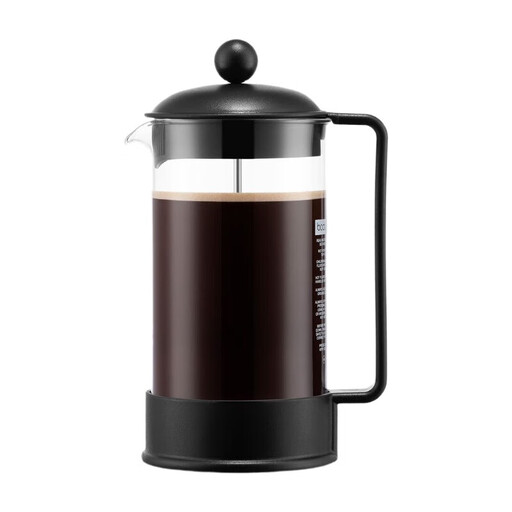
Why it's the perfect match: Ideal for those who want to control their coffee from start to finish, with no electronics involved. The brewing method is simple, the cost per cup is unbeatable, and the preparation ritual is rewarding. Its large 1L capacity is perfect for family breakfasts or entertaining guests.
This French press sidesteps the trap of expensive pods and the complexity of automatic machines. Cleaning is a breeze: just rinse the plunger and the carafe.
The stainless steel filter extracts oils and aromas for a full-bodied coffee, with no paper filter waste. The borosilicate glass carafe is heat-resistant and doesn't retain odours.
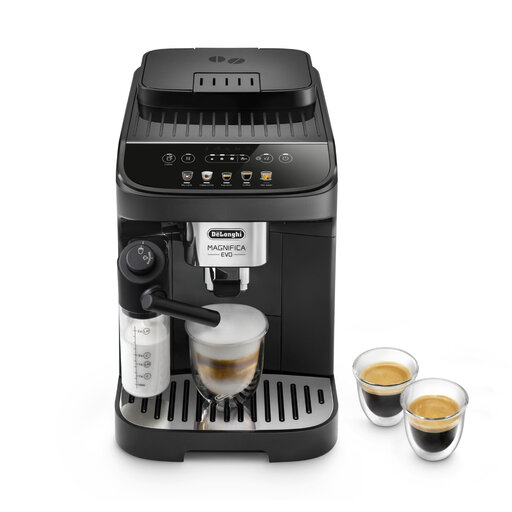
Why it's the perfect match: For purists who demand the freshness of coffee beans without the hassle. This bean-to-cup machine handles everything from grinding to milk frothing, delivering perfect espressos and cappuccinos at the touch of a button.
It avoids the maintenance trap with its automatic milk circuit cleaning function and its rinsing and descaling programs. By using coffee beans, it bypasses the high cost of pods.
Integrated conical burr grinder with 13 settings for a precise grind. The LatteCrema Hot technology creates a dense and creamy milk foam. Touch control panel with colour icons for intuitive use.
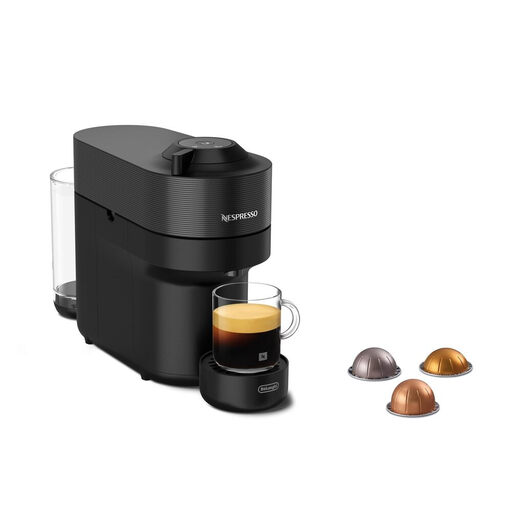
Why it's the perfect match: The ideal solution for those who prioritise speed and simplicity above all else. This compact coffee machine is perfect for tight kitchens, offices, or studios. It delivers consistent, quality coffee in under a minute.
Yes, it's a pod machine, but it's aimed at a user who fully embraces the choice of convenience. It bypasses the pitfalls of complexity and maintenance with its one-button operation and automatic capsule ejection.
Centrifusion extraction technology reads the capsule's barcode to optimise settings. It offers 5 different cup sizes. Its compact design and construction from 35% recycled plastic are major pluses.
Explore our full selection of coffee machines, all chosen for their performance and reliability.
The lifespan heavily depends on the type of machine and the regularity of its maintenance. A well-maintained French press or drip coffee maker can last for many, many years. For an automatic espresso machine, the lifespan is typically between 5 and 10 years. Regular descaling (every 2-3 months, depending on your water hardness) and frequent cleaning of the brew group and milk circuits are essential to extend its life.
Absolutely, and the difference is significant in the medium to long term. The initial investment is higher, but the cost per cup is drastically lower. A 1kg bag of coffee beans (around €15-€25) can make approximately 120-140 espressos. This puts the cost per coffee between €0.10 and €0.20. In comparison, a single capsule costs, on average, between €0.40 and €0.70. The machine typically pays for itself within 1 to 2 years for a regular coffee drinker.
The golden rule: always follow the manufacturer's instructions. Most automatic machines have a dedicated descaling program. Use the descaling product recommended by the brand or a quality universal solution. An important tip: forget about white vinegar for modern espresso machines. Its harsh acidity is an enemy to seals and internal components made of aluminium or brass. For drip or French press coffee makers, a solution of water and white vinegar can work, provided you rinse thoroughly several times with clean water afterwards.