If you regularly make espresso at home and want to choose your beans and adjust your drinks, an automatic bean-to-cup machine is worth considering if you’re happy with the space it takes up, the grinding noise and the maintenance. Capsules are better suited to a quick, compact routine, provided you’re happy with their format. You could also compare a portafilter machine if you’d like another way to make espresso, or a filter coffee machine if that’s what you mainly drink.
Who are these options for?
People who regularly make espresso
If you like to try different beans and adjust the strength or size of your coffee, take a look at the settings on a bean-to-cup machine. You’ll also need to allow space for it and factor in the maintenance it requires.
Fans of milk-based drinks
If you like to switch between espresso and cappuccino, choosing between a steam wand and an automatic milk system matters more than the number of recipes advertised. Check how to clean the parts that come into contact with milk.
Households looking for a compact routine
A capsule machine is worth comparing if you want to make a cup quickly with minimal effort. Before choosing, check which capsule formats it accepts.
What should you compare?
Start with the coffee you actually drink, then consider the preparation and maintenance you’re happy to build into your routine.
| Factor | What to check | Your needs |
|---|
| Type of coffee |
For espresso, compare automatic bean-to-cup machines, capsule machines and portafilter machines. If you mainly drink filter coffee, consider a filter coffee machine or a model that specifically offers this brewing method. |
I mainly drink espresso, or filter coffee instead: this will help me decide which type of machine to compare. |
| Beans and settings |
With a bean-to-cup machine, check the model’s strength and coffee-size settings. For a capsule machine, check which formats are compatible rather than assuming all capsules will fit. |
I want to change beans and adjust my cup, or I’d prefer a simpler preparation with fewer settings. |
| Milk-based drinks |
Check whether it has a steam wand or an automatic milk system, then read the cleaning instructions for parts that come into contact with milk. Check the recipes available on the exact variant. |
If I regularly make cappuccinos, handling and cleaning the milk system will be part of my routine. |
| Maintenance |
Check the manual for instructions on rinsing the trays, accessing the brew unit and descaling. Also find out which filters and cleaning products are recommended for the model. |
I want to know what regular tasks I’ll need to do, beyond making a cup of coffee. |
| Space and noise |
Measure the space available and allow room to access the reservoirs. UFC-Que Choisir says a grinder takes up more space and makes more noise than a capsule system or filter coffee machine. To compare two grinders, look for tests of the exact models. |
In a small kitchen, or if I make coffee early, access to the trays and the sound of grinding could influence my choice. |
| Format and waste |
Check capsule compatibility and the material they’re made from. In France, ADEME says aluminium or plastic capsules should go in the packaging recycling bin; follow the relevant guidance for other coffee formats. |
I’d like to be able to change my coffee without relying on one capsule format, and take the packaging used for each cup into account. |
What should you look out for?
-
Choosing a grinder without checking the maintenance
The trays, brew unit and brewing system need regular attention. As UFC-Que Choisir points out, neglecting a descaling prompt can affect how the machine works.
Before choosing, check the manual for the exact model. Find out how to access the parts that need cleaning, what’s involved in descaling and what to do after making a milk-based drink.
Allow time for these tasks, as well as for any cleaning products or water filter recommended for the model.
-
Choosing a milk carafe for the occasional cappuccino
A milk system means extra parts to clean after use. The number of recipes advertised won’t, on its own, tell you whether it’s right for you.
If you rarely make milk-based drinks, also compare a steam wand or a machine focused on black coffee. If you’ll use it regularly, check how to dismantle and wash the milk system components.
-
Assuming a grinder will be quiet and easy to fit in
Grinding and rinsing can be disruptive, depending on where the machine is and when you use it. UFC-Que Choisir’s test protocol assesses factors including noise and vibrations during these stages.
Check the dimensions and access to the reservoirs. If noise is a deciding factor, look for a test of the exact model rather than relying on a general promise that it’s quiet.
Which brand ranges should you consider?
These examples can help you compare specific set-ups; features vary between models within the same range.
De’Longhi
The Magnifica range includes different ways to prepare milk-based drinks with an espresso bean-to-cup machine.
- According to De’Longhi, the Magnifica Start ECAM222.20.B has a manual steam wand, while the ECAM220.80.SB EX:1 features a LatteCrema Hot system with an automatic cleaning function.
- Check the full model number: don’t assume one machine has the other’s milk system.
Philips
LatteGo models are aimed in particular at households looking to make milk-based drinks using a removable carafe.
- Philips describes the EP3347/90 as having a two-part LatteGo carafe, six drinks and twelve grind settings.
- These features apply to the EP3347/90. Check the specifications of any other Philips model before choosing.
Melitta
The Purista is worth considering if you prefer black coffee and want control over your drink settings.
- Melitta lists three strength settings and five grind settings for the Purista.
- Melitta notes that regular cleaning and descaling are still required.
Bean-to-cup machines and versatile models on Joybuy
These models let you explore bean-to-cup machines for making coffee at home; the Ninja Luxe Café Mini combines espresso and filter coffee in its name. Compare the variants and how they work to find the right fit for the drinks you usually enjoy.
 Image unavailable
Philips EP2230/10 Series 2200 LatteGo
If you like to switch between espresso and milk-based drinks at home, consider this bean-to-cup machine with LatteGo. Check the EP2230/10 manual for the drinks available and how to clean the milk system.
View on Joybuy
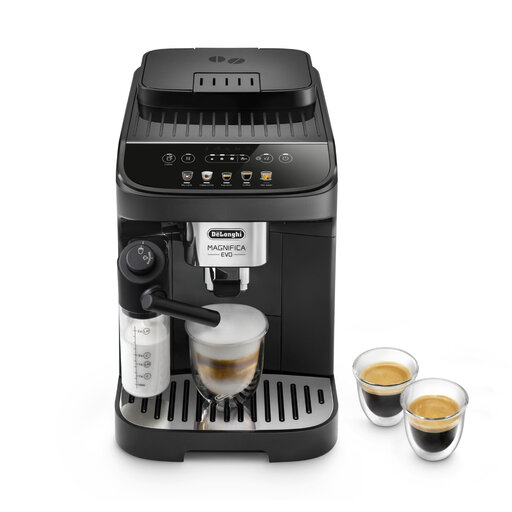 Image unavailable
De’Longhi Magnifica Evo ECAM290.61.B LatteCrema
If you regularly make milk-based drinks, check the recipes and cleaning steps for this LatteCrema automatic machine. Confirm which drinks are available on the ECAM290.61.B variant before choosing it.
View on Joybuy
 Image unavailable
HiBREW H16 with grinder and milk system
This H16 model is presented with a grinder, milk system and touchscreen for making espresso and milk-based drinks. Check the drinks available and the milk system cleaning instructions for this variant.
View on Joybuy
 Image unavailable
De’Longhi Magnifica S ECAM22.140.B
If you want to make espresso from beans, consider this automatic Magnifica S with grinder. If you’d also like to froth milk, check how the steam wand works and how to clean it. Measure the space available before installation.
View on Joybuy
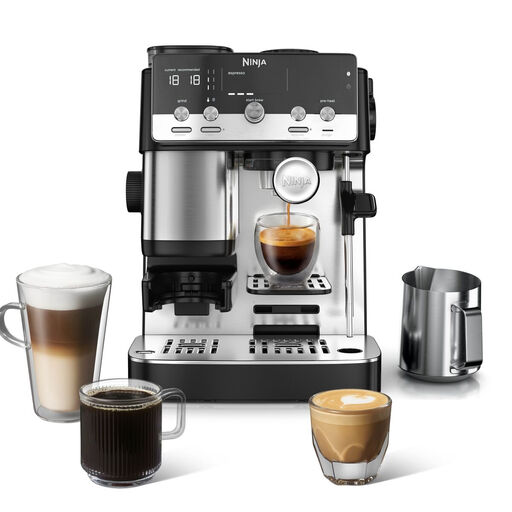 Image unavailable
Ninja Luxe Café Mini ES301EU, espresso and filter coffee
If your household drinks both espresso and filter coffee, this 2-in-1 model with grinder is worth a closer look. Check the ES301EU manual to confirm how automated it is and how the milk frother works.
View on Joybuy
Frequently asked questions
What needs cleaning on an automatic bean-to-cup machine?
The trays, brew unit (if the model is designed for it to be cleaned) and milk system components all need regular attention. You should also descale the machine according to the manual and its prompts. The exact steps depend on the model, particularly after making a milk-based drink.
Steam wand or automatic carafe: which should you choose for milk?
An automatic carafe is worth considering if you often make cappuccinos and are happy to clean the system after use; a steam wand may suit you if you don’t mind a more hands-on approach. In either case, check which parts come into contact with milk and the rinsing instructions for the exact model.
How should you recycle coffee capsules in France?
According to ADEME, aluminium or plastic capsules should go in the packaging recycling bin, bag or container. For paper capsules, check the material and see which composting or food waste collection options are available near you.


