
Livraison le jour même ou le lendemain

Qualité garantie

Débloquez vos offres de bienvenue: Livraison GRATUITE | Jusqu'à -80 % | 30 jours d'essai gratuits à JoyPlus
Téléchargez l'application
Buying coffee cups seems simple… until the handle becomes too hot to hold, the lid leaks in your bag or the capacity is not suitable for your machine. Product descriptions often focus on design and capacity, even though certain practical details matter much more in everyday use.
A 350 ml mug will not usually be filled right to the brim, especially if it has a lid or is designed for a hot drink. For an espresso, a 90 to 120 ml cup is sufficient. A cappuccino generally needs 250 to 270 ml, while a large coffee or tea may require between 350 and 450 ml.
Insulated cups and travel mugs retain their temperature for longer thanks to a double wall or vacuum insulation. However, their leak resistance depends mainly on the closure system, the seal and the position of the container during transport. A lid that simply clips on does not necessarily offer the same security as one fitted with a silicone seal.
Glass cups allow you to admire the colour and different layers of a latte, but they are still fragile. Ceramic mugs are perfectly suited to the home and office, but may crack after an impact. Stainless steel, on the other hand, is well suited to travelling, but must not be placed in a microwave.
The capacity should also be compatible with your coffee machine, your car’s cup holder and the available space in your bag.
Double-walled coffee cups made from borosilicate glass limit direct contact between the hot drink and the outer surface. They can also reduce condensation with cold drinks. However, it is best to avoid thermal shock, particularly when a cold cup is filled with a very hot liquid.
Ceramic and porcelain offer a traditional feel as well as good stability on a table. However, check the information regarding the dishwasher, microwave and any usage restrictions.
For journeys, double-walled stainless steel — particularly vacuum insulation — is generally more suitable. Examine the type of lid carefully, check whether the removable seal can be taken out and read the cleaning instructions.
Before buying, check the information relating to food contact, the product’s composition and the responsible person established in the European Union. European Regulation EC No 1935/2004 governs materials intended to come into contact with food, but the details for each item are still essential for understanding its precise characteristics.
To keep your cup in good condition for longer:
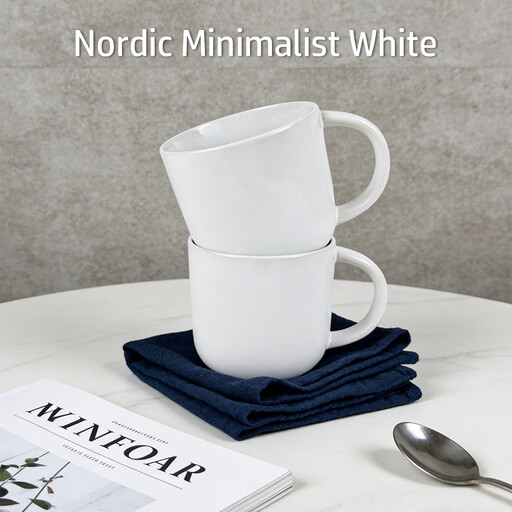
Why this choice suits this profile : This set of four 415 ml mugs is suitable for the home, office or meals with several guests. Their size is ideal for serving a large coffee, tea or hot chocolate.
The capacity is clearly stated, and the set saves you from buying several items individually. However, ceramic requires a little care to avoid damage from knocks.
Set of 4, 415 ml capacity, lead-free ceramic as stated, dishwasher- and microwave-safe according to the product details.
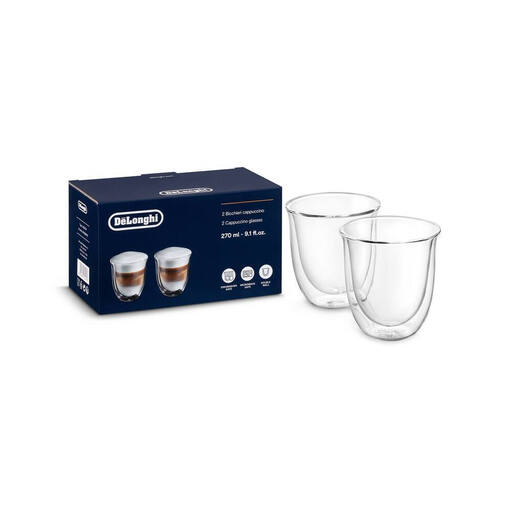
Why this choice suits this profile : These two 270 ml glasses are ideal for cappuccino and latte enthusiasts who want to enjoy the look of their drink while retaining a format suited to milk-based beverages.
The capacity is designed for milky coffees, while the double wall limits direct contact with the outer surface. Sudden changes in temperature should nevertheless be avoided.
Hand-blown borosilicate glass according to the product details, double wall, set of 2, 270 ml capacity and dishwasher cleaning indicated.
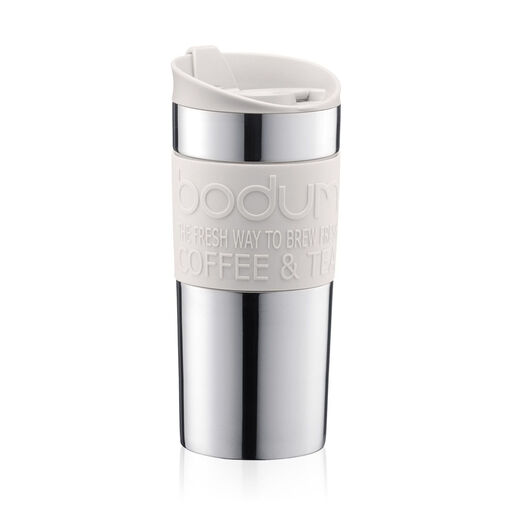
Why this choice suits this profile : This stainless-steel travel mug is designed for commuting, car journeys and breaks at the office. Its 350 ml capacity is compatible with many cup holders.
The product details mention vacuum insulation and a flip-top lid with a silicone seal. It is still advisable to check that the lid is securely closed before every journey.
Double-walled stainless steel, vacuum insulation, flip-top lid and tapered base. The manufacturer recommends hand washing.
We have selected a complete, real-time updated range of products that meet these demanding criteria as well as European safety regulations.
For your daily espresso, an espresso cup holding 90 to 120 ml prevents a small serving from being poured into an oversized container. The 250 ml formats are better suited to cappuccinos and milk-based drinks. At home or in the office, a mug with a handle provides a secure grip. For travelling, choose a reusable cup with a reliable closure and dimensions compatible with your bag or cup holder.
Ceramic coffee mugs are perfect for stationary use, while double-walled glass coffee cups can also be used for cold drinks. Those working in catering should check the quantity per set, the stated durability and how easy the cups are to replace.
For an espresso, you will generally need between 90 and 120 ml. A cappuccino requires around 250 to 270 ml. For filter coffee, tea or a takeaway drink, a capacity of 300 to 450 ml gives you more room.
The double wall creates an insulating layer between the drink and the outside. It slows heat transfer and makes the cup more comfortable to hold, without preventing the contents from cooling. The lid and the amount of drink also affect how long the heat is retained.
Clean the lid and its seal separately, then allow each part to dry completely before putting everything back together. Regularly inspect the mug for cracks and signs of wear. You should also follow the manufacturer’s instructions regarding the dishwasher, microwave and fizzy drinks.