
Livraison le jour même ou le lendemain

Qualité garantie

Débloquez vos offres de bienvenue: Livraison GRATUITE | Jusqu'à -80 % | 30 jours d'essai gratuits à JoyPlus
Téléchargez l'application
A great coffee deserves a great cup. However, choosing the right coffee cup set can be a real challenge. With so many attractive designs and marketing claims, it's easy to end up with cups that are relegated to the back of the cupboard. To help you make an informed decision, we've outlined the common pitfalls to avoid and the key criteria to consider before you check out.
To ensure you won't regret your purchase, focus on a few key points that make all the difference in the quality and practicality of a modern coffee service.
The choice of material directly impacts durability, aesthetics, and heat retention.
Don't underestimate capacity; it's a fundamental criterion. Here are a few guidelines to help you:
Always check two essential points:
To put theory into practice, here are a few models that meet specific needs.
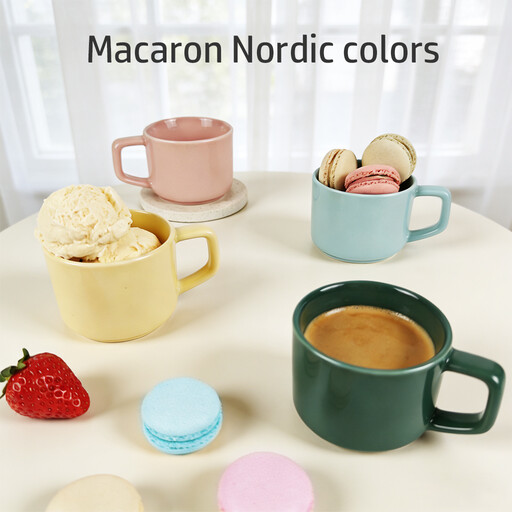
Why we chose it: This set is perfect for serving espresso or Turkish coffee. Its small size is also ideal for individual desserts or children's drinks, adding a cheerful touch with its pastel colours.
It avoids the 'unsuitable capacity' trap by being clearly designed for small servings. Its function is precise and well-defined.
120 ml capacity is ideal for espresso. Compact and colourful design, easy to store in small kitchens.
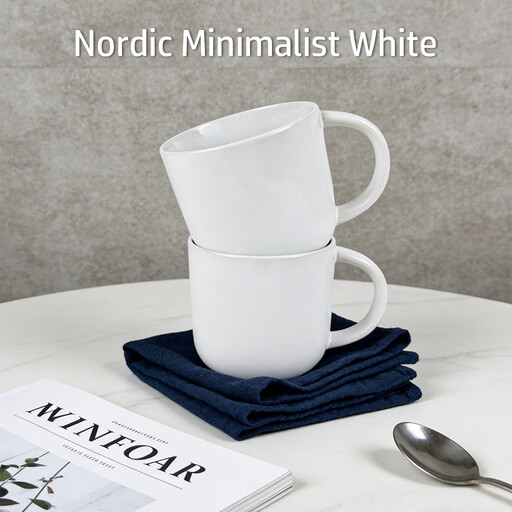
Why we chose it: With its large capacity, this set is ideal for morning coffee, tea, or hot chocolate. Its clean, timeless white design fits easily into any kitchen and is suitable for both home and office use.
It bypasses the 'poor-quality material' trap with a robust, lead-free, and chip-resistant ceramic designed for heavy use.
Large 415 ml capacity and dishwasher/microwave compatibility for maximum convenience.
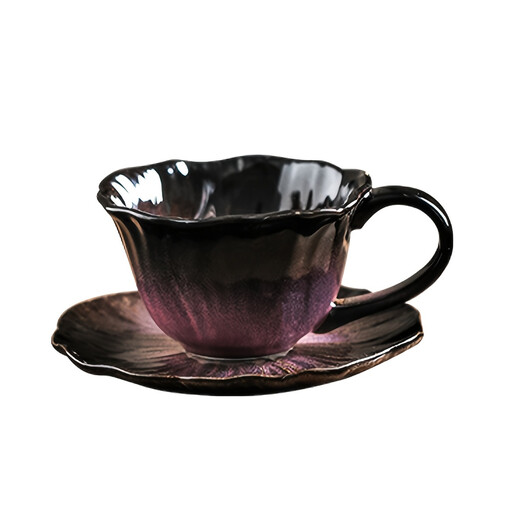
Why we chose it: The embossed floral pattern and gradient finish make this a sophisticated piece. Sold with its matching saucer, it's a perfect gift cup set for a housewarming, birthday, or Mother's Day.
It sidesteps the 'style over substance' trap by remaining practical. Its microwave and dishwasher compatibility ensures it won't end up as just a decorative item.
Elegant floral design with cups and saucers. Versatile 300 ml capacity for coffee or tea.
Explore our full selection of products that meet our quality criteria and current safety standards.
Porcelain is a type of ceramic fired at a very high temperature, which makes it denser, less porous, and generally more durable than standard ceramic. Visually, porcelain is often finer and more translucent. Ceramic, on the other hand, is more opaque and can have a more rustic feel.
This information is almost always indicated on the packaging or in the online product description. Look for pictograms representing a dishwasher or a microwave. When in doubt, it's best to wash the cups by hand, especially if they have painted decorations or metallic finishes.
For a proper tea tasting experience, a capacity between 250?ml and 350?ml is generally recommended. This allows the aromas to diffuse well without the drink cooling down too quickly. A comfortable handle and a fairly wide opening are also assets that perfect the experience.