Fans of short, strong espresso
If you’re after a small cup after a meal, intense profiles and espresso or ristretto formats are a good place to start. Be sure to check which capsule system your machine accepts.


For a small, strong coffee in the evening, first choose a capsule that works with your machine, then look for a profile designed for espresso or ristretto. Intensity ratings from different brands don’t measure caffeine content. If caffeine affects your sleep, consider a decaffeinated option instead, although its flavour profile may be different.
If you’re after a small cup after a meal, intense profiles and espresso or ristretto formats are a good place to start. Be sure to check which capsule system your machine accepts.
Nespresso Original capsules and Lavazza products advertised as compatible with this system offer profiles you can compare. The word Original matters: it doesn’t refer to the Vertuo range.
You may still prefer a strong-tasting cup, but the intensity rating won’t tell you how much caffeine it contains. ANSES notes that caffeine can affect how quickly you fall asleep and the quality of your sleep.
For an evening cup, check your machine’s system before comparing cup size and flavour. Consider caffeine separately: an intensity rating doesn’t tell you how much a capsule contains.
| Criterion | What to check | Who it matters to |
|---|---|---|
| Short, strong cup | Look for espresso or ristretto preparation and the flavour notes listed. Nespresso France, for example, specifies 25 ml for ristretto and 40 ml for Il Caffè espresso. | If I want a small, full-flavoured cup after a meal, flavour matters more than a long coffee; around 36% of consumers prioritise this. |
| Compatibility | Check the exact system name on your machine and the box. Lavazza says the range in question is compatible with Nespresso Original, while Nespresso distinguishes Original from Vertuo. | I want to be sure the capsules will work in my machine, rather than relying on how they look; compatibility is the top criterion for around 29% of consumers. |
| Caffeine in the evening | Look for a decaffeinated label if you want to limit caffeine, and take your other sources into account. Don’t use an intensity rating to estimate caffeine content. | When I have coffee late, I consider its possible effect on my sleep; around 21% of consumers put this concern first. |
| Box size | Check the number of capsules and the exact product reference before choosing a larger pack: the same profile may be available in different pack sizes. | I prefer to choose a quantity that suits how often I have coffee in the evening before buying a large box; this is the main concern for around 14% of consumers. |
Lavazza specifies that capsules in the range in question work with Nespresso Original machines. Nespresso presents Original and Vertuo as separate ranges.
Identify your machine’s exact system, then look for the same wording on the box.
The intensity ratings used by Nespresso, Lavazza and Jacobs are based on different scales. They don’t tell you how much caffeine a capsule contains.
Compare the profiles described for the cup you want. If you’re looking to limit caffeine, check for a decaffeinated label instead.
According to ANSES, caffeine can delay falling asleep and reduce both sleep duration and quality. People’s sensitivity to it varies.
If you’re having coffee late, consider your tolerance and how much caffeine you’ve had throughout the day when choosing between caffeinated and decaffeinated capsules.
In the Original range, Nespresso France describes Il Caffè as having an intensity rating of 13, with ristretto and espresso preparations.
Lavazza describes Espresso Maestro Intenso as a capsule compatible with Nespresso Original machines, with an intensity rating of 11/13.
Carrefour France describes Espresso Puissant as a Nespresso-compatible capsule, with an intensity rating of 11.
The Jacobs Espresso 10 Intenso product listing from Carrefour France states that it is Nespresso compatible and has an intensity rating of 10/12.
Carrefour France’s selection of Nespresso-compatible capsules includes Espresso Profondo, with an intensity rating of 10, and a decaffeinated product with a rating of 4.
These capsules offer espresso or ristretto profiles, but they don’t all use the same system, so check compatibility with your machine first. Their intensity ratings alone don’t tell you how much caffeine is in an evening cup.
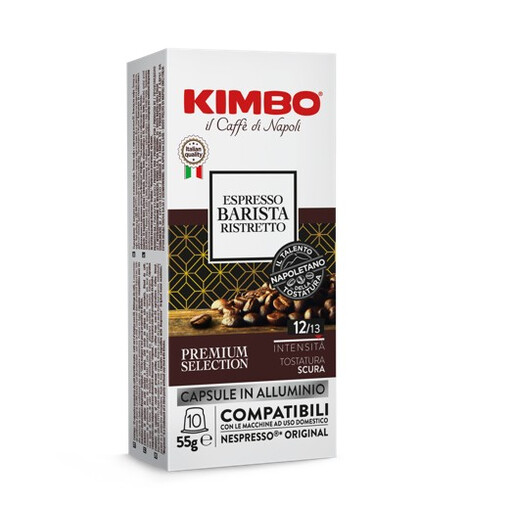 Image unavailable
Worth considering for a small ristretto-style cup if you have a machine compatible with this product. The product name lists an intensity rating of 12/13. Check exact compatibility and caffeine content if that matters for your evening coffee.
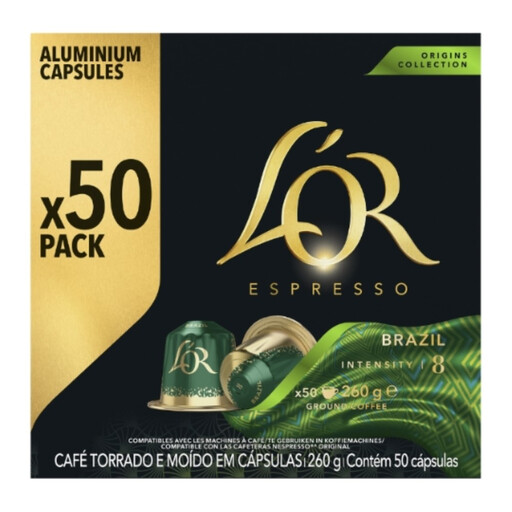 Image unavailable
This box may appeal if you regularly make espresso. It contains 50 capsules. Before choosing it for the evening, check which machine system the product is compatible with and read the caffeine information.
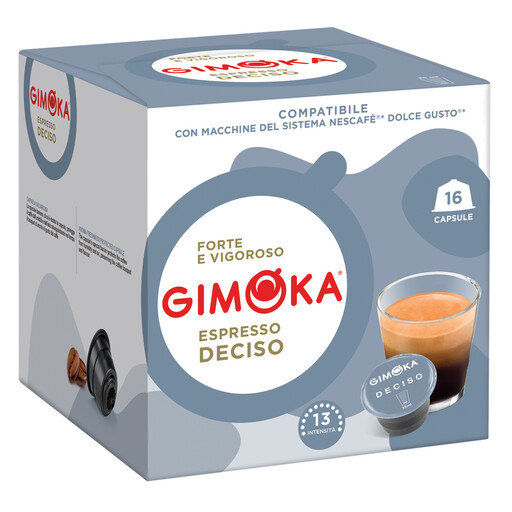 Image unavailable
Consider these for espresso if your machine uses the Dolce Gusto system. The box contains 16 capsules and weighs 112 g. Check the caffeine information if you’re making this coffee late in the evening.
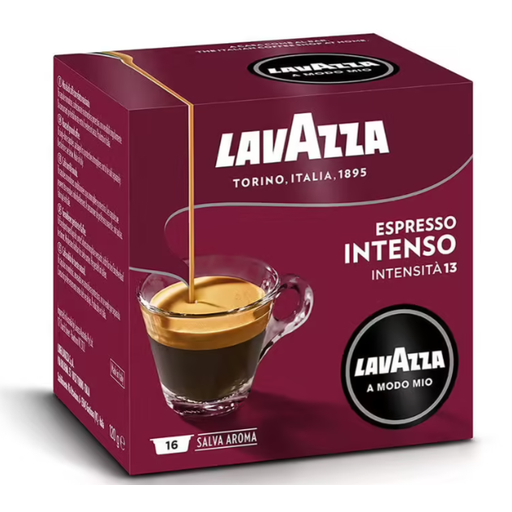 Image unavailable
This product is for Lavazza A Modo Mio machine owners looking for a profile called Intenso. The box contains 16 capsules. This system is different from Nespresso Original and other formats.
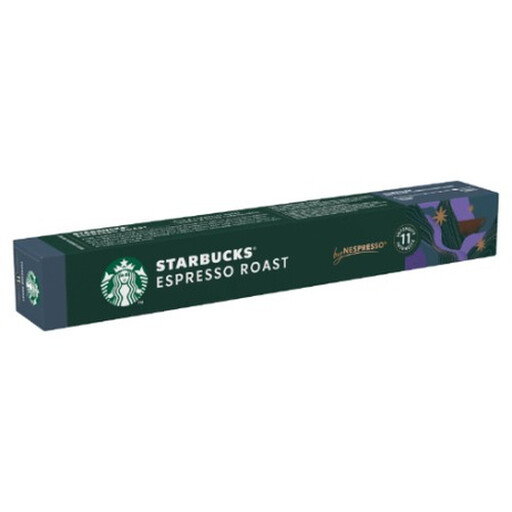 Image unavailable
Worth considering if you’re looking for espresso and have a Nespresso Original machine, provided you confirm this wording on the box. The pack contains 10 capsules; the name Espresso Roast doesn’t tell you how much caffeine is in each cup.
No. An intensity rating doesn’t tell you how much caffeine a capsule contains. Products listed by Nespresso France, Lavazza France and Carrefour France use different scales. Check product-specific information if caffeine is a factor in your choice.
Lavazza’s stated compatibility for the range in question applies to Nespresso Original, not Vertuo. Nespresso distinguishes between the two ranges, so check your machine’s system and the exact wording on the box.
Choose the flavour profile and cup size you prefer, but don’t use the intensity rating as a measure of caffeine. According to ANSES, caffeine can affect sleep. If you want to limit your caffeine intake in the evening, look for products labelled decaffeinated.
No. You need to know how much caffeine the capsule contains and take into account other sources in your diet. In its 2015 opinion, the European Food Safety Authority states that intakes of up to 400 mg per day from all sources do not raise safety concerns for the general adult population, except for pregnant women. This guideline doesn’t determine how sensitive you are to coffee in the evening.