People organising a group coffee break
If everyone needs to be able to grab a portion quickly, compare the number of pieces and how they’re presented. Mini chocolates and pre-cut squares save you having to break up a bar when it’s time to serve.


For a group coffee break, individually portioned mini chocolates and pre-cut squares make serving easier. A bar is better suited to a small group happy to break it up and decide how large to make the pieces. An assortment caters for different tastes, as long as you check the ingredients and allergens for each recipe before serving.
If everyone needs to be able to grab a portion quickly, compare the number of pieces and how they’re presented. Mini chocolates and pre-cut squares save you having to break up a bar when it’s time to serve.
If the recipe is your main consideration, compare the cocoa content shown on dark chocolate. Also check the ingredients, allergens and sugars in the nutritional information.
If you’re serving chocolate to a group, take the time to read the ingredients, allergens and nutritional information. The Nutri-Score can be a useful extra guide when it appears on the packaging, but displaying it is voluntary in France, as the DGCCRF explains.
First decide how you’d like to serve the chocolate, then check the recipes and labels to suit the people who’ll be there.
| Criteria | What to check | Who is it for? |
|---|---|---|
| Portions and serving | Number of pieces, net weight and whether the pieces are individually wrapped. | When several people are helping themselves during a short break, I prefer pre-portioned pieces to breaking up a bar. Around 33% of consumers put ease of serving first. |
| Recipes and tastes | Cocoa content shown for dark chocolate and the recipes included in assortments. | If the group has varied preferences, I look for a selection of recipes; if everyone wants dark chocolate, I check the cocoa content. Variety or choice of recipe is the main consideration for around 25% of consumers. |
| Ingredients and labelling | Allergens declared, ingredients and sugars per 100 g in the nutritional information. | Before sharing a box, I want to know whether its different recipes suit everyone there and be able to compare the sugar content. This is the top priority for around 25% of consumers. |
| Quantity and storage | Net weight, number of pieces if stated, storage instructions and best-before date. | If I’m buying the chocolate in advance, I want a quantity that suits the group and storage conditions I can follow. Around 17% of consumers put these practical considerations first. |
The Official Bulletin of Public Finances describes a levy on non-alcoholic drinks containing added sugars, not on solid chocolate bars or bites.
To compare chocolates, check the sugars per 100 g in the nutritional information instead.
According to the DGCCRF, displaying the Nutri-Score is voluntary in France. Its absence alone doesn’t tell you whether the packaging includes the other required information.
If it is shown, use it as an additional guide; also read the ingredients, allergens and nutritional information.
Different chocolates in the same box may have different ingredient and allergen lists. A recipe that suits one person may not suit the whole group.
Before serving the assortment, check the packaging for each recipe and take account of any dietary requirements guests have mentioned.
Carrefour lists a 200 g bag of 20 Milka milk chocolate mini bars.
Carrefour lists a 240 g box of 24 Côte d’Or dark chocolate mini bars.
Auchan lists a 500 g assortment of Lindt mini chocolates, made for sharing over coffee.
Carrefour Traiteur describes a 210 g bag of 27 Nestlé dark chocolate squares with 70% cocoa.
These products offer several ways to serve chocolate during a coffee break: a box of assorted sweets, mini bars, bagged chocolate bites and bars to break up.
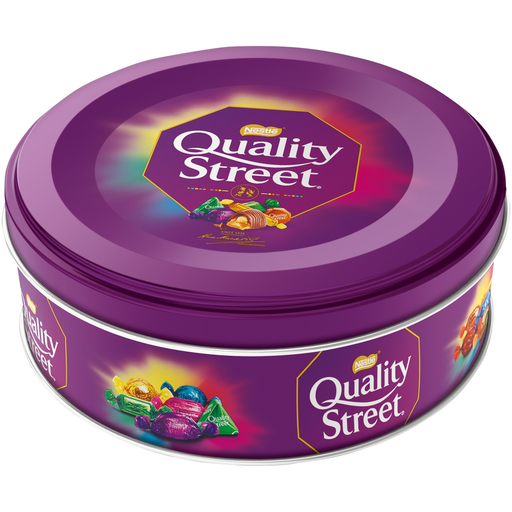 Image unavailable
This box is a good choice if you’d like to offer a selection rather than just one recipe. If you need to plan a specific portion for each person, check how the pieces are divided up, as well as the ingredients and allergens before sharing.
 Image unavailable
The nine mini bars listed make it easy to hand them out one by one. Check the allergens on the packaging, and refer to the nutritional information if sugar content is a factor in your choice.
 Image unavailable
The bag lets you offer bite-sized pieces without having to break up a bar. If quantity or individual portions matter to your group, check the net weight and how the balls are presented on the packaging; remember to check the allergens too.
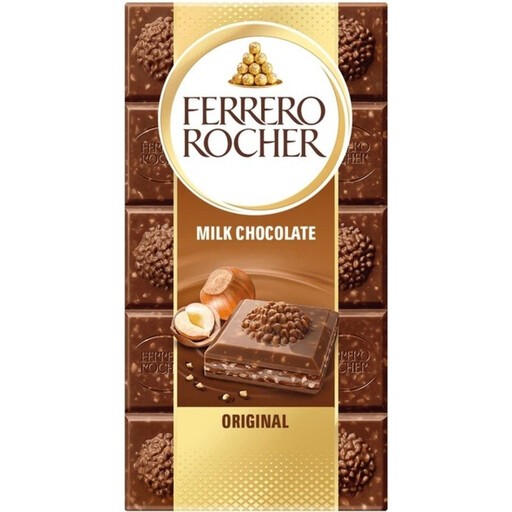 Image unavailable
This bar is suited to a small group happy to break up and share the chocolate themselves. Check the ingredients and allergens, especially if any guests need to avoid milk, hazelnuts or soya.
 Image unavailable
This bar is for a small group looking to share a dark chocolate recipe with 70% cocoa. The portions aren’t pre-cut. The recipe includes maltitol, so check the label, particularly the warning about excessive consumption, before serving it to the group.
No. The levy described by the Official Bulletin of Public Finances applies to non-alcoholic drinks containing added sugars, not to solid chocolate bars or bites. To compare the sugar content of two chocolates, read the nutritional information per 100 g.
No. The DGCCRF explains that displaying it is voluntary. For pre-packed chocolate, check the ingredients, allergens, net quantity and nutritional information, whether or not the Nutri-Score appears on the packaging.
Read the ingredients and declared allergens for every recipe in the box. Assortments may include products with different ingredients, so check each one against any dietary requirements guests have mentioned.
Follow the instructions on the packaging and check the best-before date. The Lindt mini chocolate assortment listed by Auchan, for example, says to store it in a cool, dry place.