For a coffee break on your own, choose a bar if you want a portion with a set weight, or a box of separate pieces if you’d rather decide how many to have. A chocolate slab you can break into pieces offers the same flexibility, but you’ll need to work out the portion yourself. To compare products, check the nutritional values per 100 g, then factor in the portion you plan to eat. The Nutri-Score can also help when it’s displayed.
Who are these formats for?
For a break away from home
You’re looking for an easy-to-carry portion rather than a large slab to open. Lindt France, for example, offers bars weighing 33 g and 35 g. If you want to pop one in your bag, check the weight and packaging of the product you choose.
For comparing nutritional information
You want to check the sugars, ingredients and amount you’ll be eating, rather than judging a chocolate by the word ‘dark’ alone. In France, nutritional information is generally required on prepacked foods, subject to some exceptions. The DGCCRF states that displaying the Nutri-Score is voluntary.
If you prefer a strong cocoa flavour
You enjoy a bitter note with your coffee and are considering chocolate with a very high cocoa content. Still, compare all the nutritional values and allergen information for the exact product: a low sugar content doesn’t tell you everything about its composition.
What should you look at before choosing?
First decide whether you’d like a whole bar, several individually portioned pieces or squares you can break off. Then compare the labels of the formats that suit your preference.
| What to consider |
What to check |
Who is it for? |
| Amount per break |
Weight of a bar or piece; number of portions and how the rest is packaged. |
If I’m having coffee away from home, I prefer to know how much is in one portion without opening a large slab. Around 40% of consumers put having a defined portion first. |
| Nutritional comparison |
‘Of which sugars’ and other nutritional values per 100 g; the amount you plan to eat. |
When choosing between two chocolates for the same kind of break, I want to compare their information on the same basis before considering my portion size. Around 30% of consumers put this first. |
| Flavour with coffee |
Cocoa content, if stated, ingredients and any added inclusions. |
With a strong coffee, I might look for the bitterness of cocoa or, conversely, a nutty texture. Around 30% of consumers put flavour preference first. |
A box of separate pieces isn’t necessarily the same as a box of individually wrapped chocolates. If you plan to save the rest for another break, check how the pieces are packaged rather than relying on the format name alone.
Common misconceptions to avoid
-
Assuming all chocolate must display a Nutri-Score
The absence of this logo isn’t enough to judge the labelling on a bar or box. The DGCCRF describes the Nutri-Score as a voluntary label in France, separate from the nutritional information generally required on prepacked foods.
When it appears on two comparable products, use it as an additional guide. Also read the ingredients, allergen information and nutritional values.
-
Applying the sugary drinks tax to chocolate
The scope of the levy described by the Official Bulletin of Public Finances – Taxation covers non-alcoholic drinks, not a chocolate bar or box.
When choosing chocolate, look directly at its format, ingredients and nutritional information rather than this tax.
-
Judging chocolate by its sugar content alone
The values for one product don’t describe all high-cocoa chocolates. According to its product information, the Lindt EXCELLENCE 100% Cocoa Dark Chocolate bar contains 0.5 g of sugars, but also 54 g of fat and 34 g of saturated fatty acids per 100 g.
Compare several lines of the nutritional information on the same basis, then relate them to the amount you’ll have with your coffee.
-
Overlooking allergens in a particular variety
A hazelnut bar and a slab from the same brand may have different ingredients and precautionary statements. An individual format doesn’t tell you about these.
Read the ingredients list and allergen information on the label for the exact product, especially if it contains added inclusions.
Brands to compare
Lindt
Lindt France offers 35 g NOCCIO Milk Hazelnut bars and 33 g NUXOR Milk Hazelnut bars, as well as EXCELLENCE slabs. A bar and a slab give you different ways to portion your chocolate.
- The stated weights of these two bars make it easy to compare the size of one portion.
- Check the allergens in hazelnut recipes. For a high-cocoa slab, also read the fat and saturated fatty acid values.
Ferrero
Ferrero France lists Kinder Bueno, Kinder Maxi and Kinder Joy among its confectionery products. Their formats aren’t interchangeable with a simple chocolate bar.
- These products offer options if you’re looking for something to have during a break.
- Check the weight, ingredients and nutritional information for the specific product format you’re considering.
Carrefour
Carrefour’s product information for its 200 g Noir Dessert slab lists its ingredients and nutritional information. It’s a baking chocolate slab to break into pieces, not an individually portioned bar.
- The product information states that this particular product contains 41.26 g of added sugars per 100 g.
- Before comparing it with a bar, consider how much you plan to break off the slab.
E.Leclerc
E.Leclerc DRIVE lists chocolate bars in its online confectionery section. This gives you a way to browse different formats, without making assumptions about the features of any specific product.
- The section includes chocolate bars as a distinct category from other chocolate products.
- Check each product’s label for its portion size, ingredients and nutritional values.
Products for a break on your own
This selection includes chocolate bars and two similar formats that you can enjoy in small pieces with coffee: chocolate-coated biscuits. If you’re looking specifically for chocolate in a bar or box, bear these categories in mind when choosing.
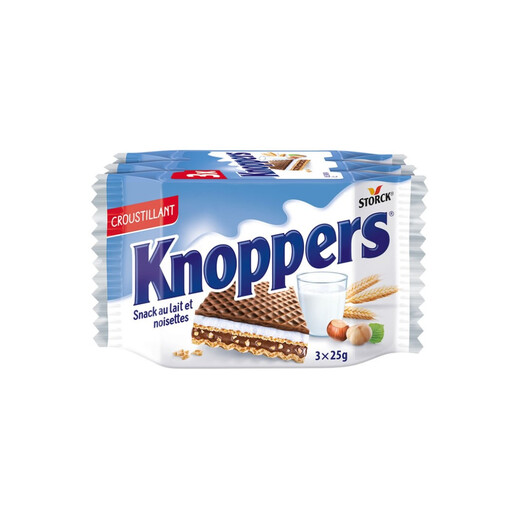 Image unavailable
Knoppers Milk & Hazelnut 3 × 25 g
The pack of three 25 g bars makes it easy to see the weight of one portion for a break on your own. If you want to carry the bars separately, check how each one is packaged. Also check the allergens on the label.
View on Joybuy
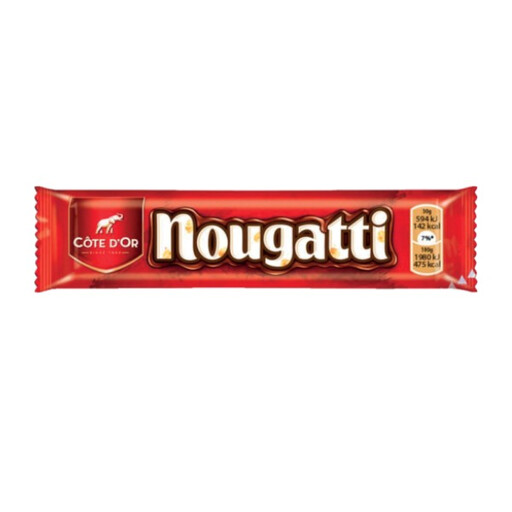 Image unavailable
Côte d'Or Nougat Hazelnut 30 g
This 30 g bar has a set weight, unlike a slab you break into pieces. If you’re interested in the hazelnut recipe, check the ingredients and allergens for this variety before comparing it with another bar.
View on Joybuy
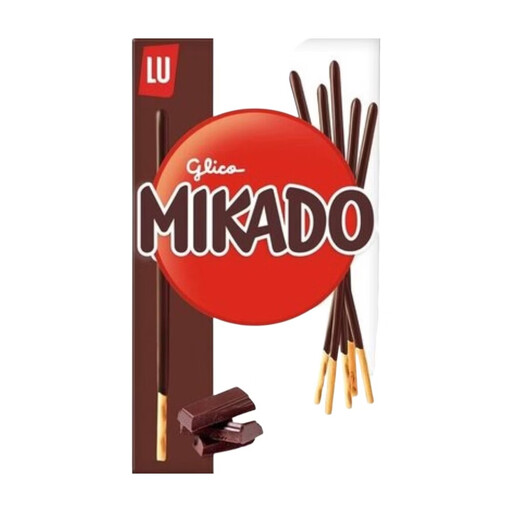 Image unavailable
Mikado Dark Chocolate 75 g
These chocolate-coated biscuit sticks are a good option if you’d rather have a few with your coffee than eat a whole bar. The pack weighs 75 g. Check the number of sticks, how they’re packaged and the allergen information if these details are important to you.
View on Joybuy
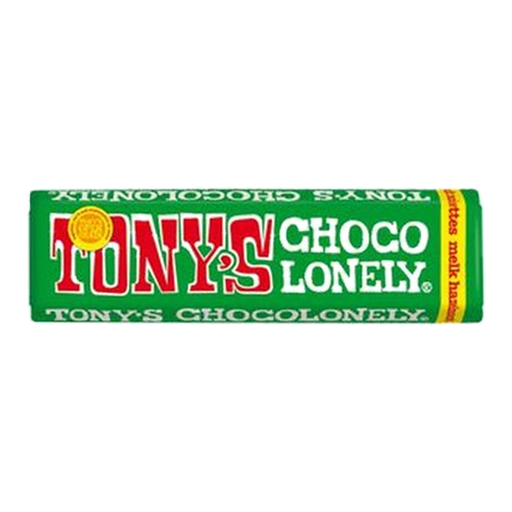 Image unavailable
TONY'S Milk Chocolate with Hazelnuts 47 g
This 47 g bar may appeal if you’re looking for a whole milk chocolate and hazelnut bar. It weighs more than the 25 g and 30 g bars featured here, so compare the portion you plan to have and check the allergens for this variety.
View on Joybuy
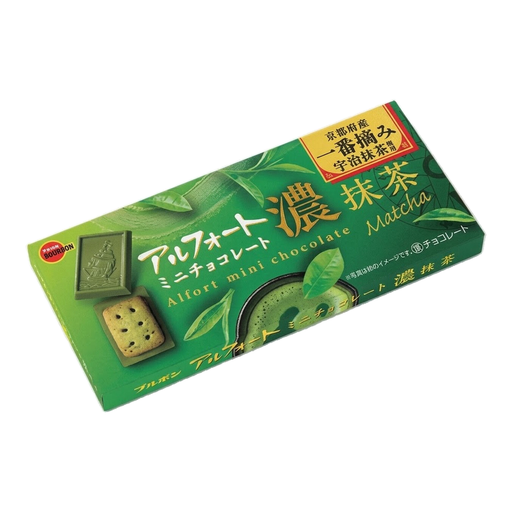 Image unavailable
Bourbon Alfort Mini Chocolate Dark Matcha, 12 pieces, 60 g
The 12 pieces in this 60 g pack make it easy to count out the amount you’d like during your break. These are chocolate and matcha biscuits, not chocolate bars. Check how they’re packaged and the allergen information if you plan to save the rest.
View on Joybuy
Frequently asked questions
Is the Nutri-Score compulsory on a chocolate bar or box in France?
No. The DGCCRF states that the Nutri-Score is a voluntary labelling system. Nutritional information is generally compulsory for prepacked foods, subject to the exceptions set out in the regulations. It lets you check, among other things, the sugars per 100 g.
Does the French tax on sugary drinks apply to a chocolate bar?
No. The levy described by the Official Bulletin of Public Finances – Taxation applies to non-alcoholic drinks within its scope, not to a chocolate bar or box. Compare these products using their own nutritional information.
How can I compare the sugars in a bar and a slab?
First compare the ‘of which sugars’ line per 100 g on the nutritional information for both products. Then check the weight of the bar or the squares you plan to eat: two products with similar values per 100 g won’t necessarily amount to the same portion during a break.
What should I check if I’m allergic to nuts, milk or soya?
Read the ingredients, highlighted allergens and any precautionary statements on the packaging of the exact variety. This information can differ between two recipes in the same range, so the brand name or shape of the chocolate isn’t enough.


