The person serving the coffee
You want to put a ready-to-eat treat on the table. A full-size bar is ideal for an individual treat, while mini bars let you offer smaller portions to several guests.


For a coffee break, a full-size bar makes a handy individual treat. If several people would prefer smaller portions, mini bars or a multipack mean there’s no need to cut them up. Choose flavours to suit your guests, then check the ingredients, allergens and nutritional information for the exact product. Different recipes or portion sizes can affect the comparison.
You want to put a ready-to-eat treat on the table. A full-size bar is ideal for an individual treat, while mini bars let you offer smaller portions to several guests.
You need to take an allergy or dietary preference into account before choosing for the group. SNICKERS France, TWIX France and KitKat France list different recipes and allergens, so check the packaging of every product you serve.
You want to know how much will actually be eaten and check the sugar and energy content on that basis. Values for half a bar don’t reflect how much you’ll consume if you eat the whole pack.
For coffee with friends, start by considering how many portions you need, then check the recipe and nutritional information for the bar you choose.
| Consideration | What to check | Who is it for? |
|---|---|---|
| Size and sharing | How many bars or mini bars are included, and how much you plan to serve each person. | If I’m serving coffee to several people, I want to offer either a full-size bar or smaller portions without having to cut anything up; around 40% of consumers put size and sharing at the heart of their choice. |
| Ingredients and allergens | The ingredients list and allergen information for each recipe, including “may contain” warnings. | Before offering a bar to a guest with an allergy, I want to know exactly what it contains; around 30% of consumers prioritise ingredient suitability. |
| Portion size and nutritional information | Sugar and energy content for the amount actually eaten; distinguish between values per portion and per 100 g. | When choosing how much to have with my coffee, I want to check the sugar and energy content for that portion; around 30% of consumers prioritise this nutritional comparison. |
The levy described by Légifrance applies to drinks and liquid preparations for drinks, not solid chocolate bars. It’s therefore not a useful way to compare these bars.
Instead, compare the size, ingredients and nutritional information of the product you’re considering.
According to the Ministry of Agriculture, displaying the Nutri-Score remains voluntary in France. Its absence doesn’t tell you anything about a bar’s nutritional values.
Read the nutritional information and ingredients list, whether or not the logo is displayed.
SNICKERS France lists its 50 g Single bar as one portion, while TWIX France gives two 25 g portions for its 50 g Single pack. The values per portion therefore relate to different amounts.
Compare the figures with the amount each person actually plans to eat.
SNICKERS France, TWIX France and KitKat France list different allergens for different products. Offering a variety of flavours doesn’t guarantee that there’ll be a suitable option for everyone.
Check the packaging of the products you’re serving and take account of any allergies your guests have mentioned.
The 50 g Single bar featured by SNICKERS France combines chocolate, caramel and peanuts. It’s a good choice if you enjoy that combination of flavours and textures.
TWIX France’s Single product combines biscuit, caramel and milk chocolate. Its 50 g pack is listed as two 25 g portions.
The Milk Chocolate product featured by KitKat France pairs a wafer texture with a chocolate coating.
The range featured by Carrefour France includes bars from well-known brands and Carrefour’s own range, with single, mini and multipack options.
These bars are ideal for serving individually with coffee and include caramel, peanut and crunchy options. If you’re serving guests, start by choosing flavours they’ll enjoy, then check the exact packaging for allergen information.
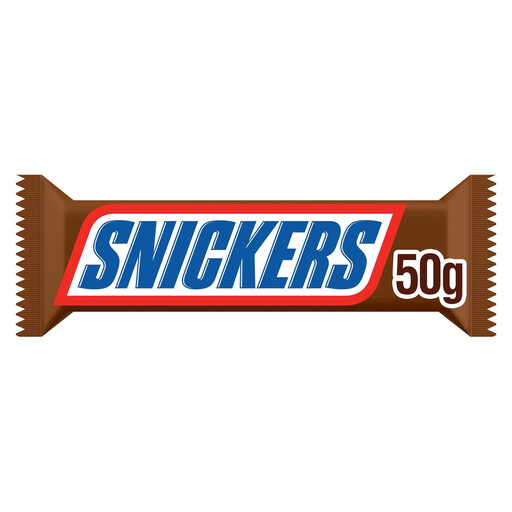 Image unavailable
This bar is a good choice for someone who’d like a whole bar with their coffee. It combines peanuts, caramel and milk chocolate and weighs 50 g. Check the allergen information on the packaging before serving it to a guest.
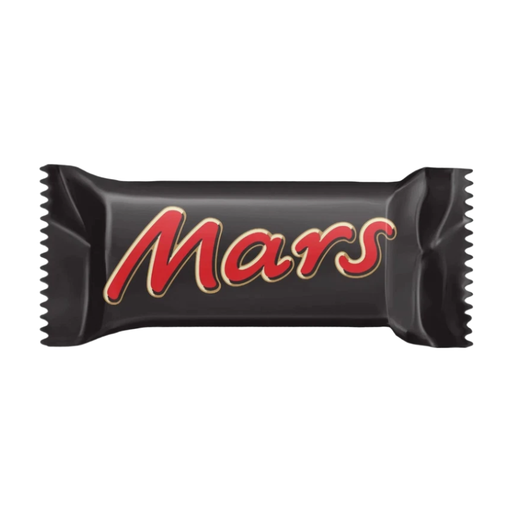 Image unavailable
This single bar is ideal if you enjoy caramel and nougat covered in milk chocolate. It weighs 51 g. To compare the sugar or energy content you’ll consume, check the values for the whole bar on the packaging.
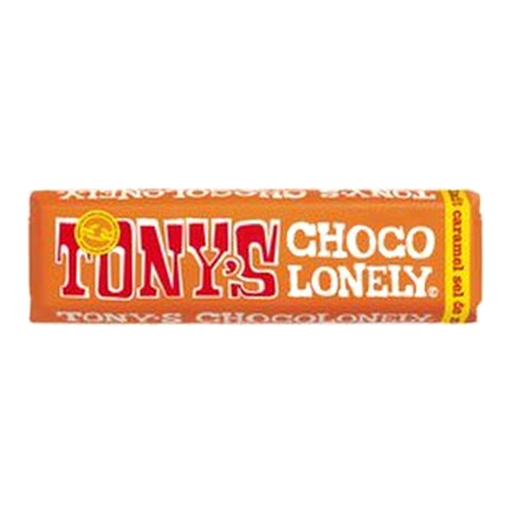 Image unavailable
This 47 g milk chocolate bar is a tasty option if you like caramel with a hint of salt. Check the packaging for allergen information and to compare the nutritional values with the amount you’re serving.
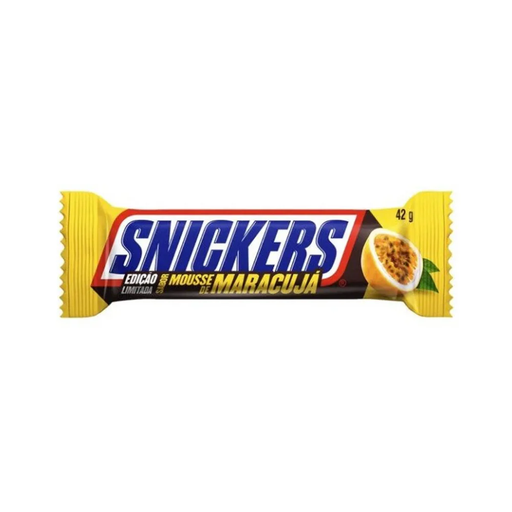 Image unavailable
This 42 g variation is a good choice if you’re looking for a peanut bar with a passion fruit twist. Before serving it to the group, check the allergen information for this specific recipe and the nutritional values for the amount eaten.
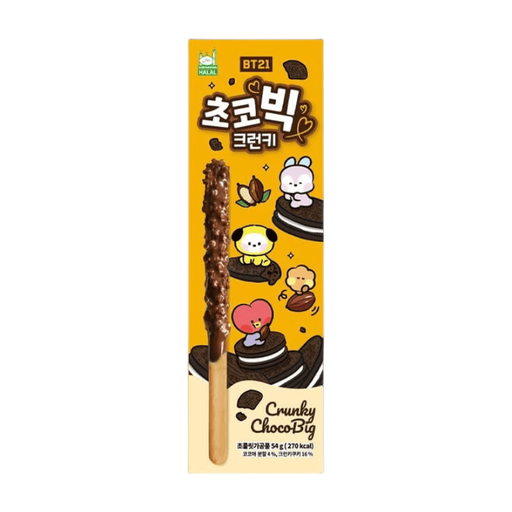 Image unavailable
If you prefer a crunchy texture, this 54 g chocolate bar contains puffed cereal pieces. Check the full ingredients list and allergen information on the packaging before serving it.
No. Solid chocolate bars are not covered by the levy on drinks and liquid preparations for drinks described by Légifrance. So this levy isn’t a factor when choosing which bars to buy.
No. According to the Ministry of Agriculture, displaying the Nutri-Score remains voluntary in France. Whether or not the logo is shown, use the nutritional information table and ingredients list to check the product you’ve chosen.
First, compare the grams of sugar for the amount you plan to eat. Values per 100 g make it easier to compare recipes, but a value for half a bar doesn’t represent the whole pack.
Check every pack before serving it. The recipes featured by SNICKERS France, TWIX France and KitKat France contain different ingredients and list different allergens. Take account of any allergies or dietary restrictions your guests have mentioned.