Fans of coffee with a sweet treat who are watching their sugar
You want to serve a biscuit with coffee and compare recipes without confusing a claim on the packaging with the amount of sugars listed in the nutritional information.


To choose a biscuit to serve with coffee while keeping an eye on sugar, compare the ‘sugars’ figure per 100 g with the exact claim on the pack. Then decide whether the shape and style of a traditional biscuit matter to you. An alternative labelled ‘no added sugar’ may have a different recipe and still contain sugars. If a Nutri-Score is shown, use it as an additional guide rather than a must-have.
You want to serve a biscuit with coffee and compare recipes without confusing a claim on the packaging with the amount of sugars listed in the nutritional information.
You want to stick with the shape and style of a traditional biscuit. Compare the labels of the products you’re interested in rather than guessing their sugar content from the name.
You’d be happy with a chocolate rice cake or a biscuit that’s different from a shortbread-style biscuit. In that case, the recipe — including whether it contains sweeteners — matters just as much as the format.
For a coffee-and-treats moment, first decide whether you want to stick with a traditional biscuit or consider other types. Then compare the nutritional information for products that fit your choice.
| What to consider | What to check | Who is it for? |
|---|---|---|
| Sugars | The exact claim and the ‘sugars’ figure per 100 g; if a reduction is claimed, check what it is compared with. | If my main aim is to compare sugars, I need a consistent figure rather than a claim read in isolation; around 45% of consumers would put this check first. |
| Traditional format | The type of biscuit and its ingredients, followed by the sugars listed for the product you choose. | If I want to serve a shortbread-style biscuit with coffee, I don’t want to replace it with a biscuit from a different category; sticking with this format would be the priority for around 33% of consumers. |
| The recipe as a whole | Sugars, fat and energy per 100 g, as well as the ingredients list. | When I’m choosing between several recipes, a single claim about sugars isn’t enough to help me decide; around 22% of consumers would look at all this information first. |
Santé publique France explains that displaying the Nutri-Score is voluntary. The European Commission says that nutrition declarations are mandatory for the vast majority of pre-packed foods, so a product without a logo may still provide the information you need to compare it.
Use the logo as an additional guide if it appears on the packaging, and check the nutritional values per 100 g.
According to Anses, no added sugar doesn’t mean a product contains no sugars at all: some ingredients contain naturally occurring sugars.
Check the claim, the ‘sugars’ figure and the ingredients list.
A chocolate rice cake and an all-butter shortbread-style biscuit aren’t the same kind of treat, even if both are called a ‘galette’.
If a traditional biscuit is essential to your coffee-and-treats moment, compare biscuits from that category first. Otherwise, look at other suitable formats separately.
Nutritional information also includes energy and fat. For example, for its own recipe, Carrefour lists 502 kcal and 23 g of fat per 100 g for its organic Breton biscuits.
Compare the values and ingredients for each product you’re considering, and don’t assume that the figures for one recipe apply to every biscuit.
An option if you’re happy with a dark chocolate rice cake instead of a traditional shortbread-style biscuit.
Biscuits to consider if you want to stick with a traditional format.
An all-butter option to consider when a classic format is your priority.
The retailer offers several biscuits, making it possible to compare recipes within this category.
A range to consider only if you’re happy to serve a different biscuit or a bar with your coffee.
These two products are different types of biscuits or treats to serve with coffee. They aren’t a like-for-like replacement for an all-butter shortbread-style biscuit, so first decide whether you’re happy with a different format.
 Image unavailable
Worth considering if you’re happy with a crisp biscuit rather than a shortbread-style one to go with your coffee. The pack size listed is 425 g; ‘No Added Sugar’ doesn’t mean it contains no sugars at all. Check the ‘sugars’ figure on the label before comparing this recipe with a traditional biscuit.
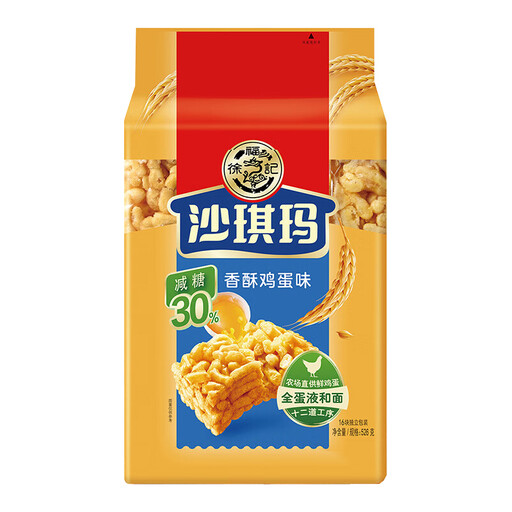 Image unavailable
Consider this only if you’re happy to serve sachima, which is different from a traditional biscuit. The pack size listed is 526 g. If the product name claims a sugar reduction, check what it’s compared with on the packaging; also read the sugars figure and ingredients list.
No. Santé publique France says that manufacturers can choose whether to display it. The European Commission says that nutrition declarations are mandatory for the vast majority of pre-packed foods, so compare the values shown, whether or not there’s a Nutri-Score.
No. Anses points out that ingredients can contain naturally occurring sugars even when no sugar has been added. The ‘sugars’ figure in the nutritional information tells you the amount listed for the product.
Compare their values per 100 g rather than per pack or portion. When choosing between two recipes to serve with coffee, check the sugars first, then look at any other information that matters to you, such as fat, energy and ingredients.
Not if you’re specifically looking for a traditional shortbread-style biscuit. Gerblé’s dark chocolate rice cake is a different type of product and, according to the brand, contains maltitol. Check that its recipe and format suit what you want to serve.