People stocking a shared biscuit tin
At work or at home, the biscuit tin gets used several times a week. The pack’s weight, number of portions and whether you can keep the rest sealed all matter just as much as the variety you choose.


For coffee breaks shared over several days, choose a pack whose weight and portioning suit how quickly you’ll get through it. Individually wrapped portions mean you only need to take out some of the biscuits at a time. If you’ll finish the pack quickly, a large, unportioned pack could also work. Compare like-for-like recipes using the nutrition information per 100 g, and check the allergens. In France, Nutri-Score is an optional guide, not a requirement.
At work or at home, the biscuit tin gets used several times a week. The pack’s weight, number of portions and whether you can keep the rest sealed all matter just as much as the variety you choose.
To choose between similar types of biscuits, they compare the sugar, fat and salt content per 100 g, along with the ingredients and allergens. Nutri-Score can help with this if it appears on the pack.
Chocolate, butter, filling or a soft texture could all influence your choice for a coffee break. You’ll also need to check that the recipe suits everyone and that the pack size matches how quickly you’ll get through it.
Start by thinking about how many breaks you’re catering for and how the biscuits are packed. Then compare the labels of recipes that suit the people you’ll be sharing them with.
| What to consider | What to check | Who this matters to |
|---|---|---|
| Portions and storage | Net weight, number of packets or portions, and storage instructions after opening. | If the tin is being used over several days, I want to take out some biscuits without exposing the whole pack to the air. Around 36% of consumers prioritise being able to enjoy the biscuits over time. |
| Nutrition information | Compare values per 100 g for similar biscuits, particularly sugar, fat and salt; check the Nutri-Score if one is shown. | Before choosing a recipe, I want to compare its nutrition information on a like-for-like basis. This is the main consideration for around 29% of consumers. |
| Amount you’ll get through | Net weight and number of portions, considered alongside how many breaks you’re catering for. | For a small team, a large pack is only worthwhile if we can finish it at our own pace. Around 21% of consumers put choosing an amount they can use first. |
| A recipe to share | Type of biscuit, ingredients and allergens listed for the exact product. | For a coffee break, I first look for a texture and flavour that suit the group, without overlooking allergens. Around 14% of consumers put finding a recipe that suits everyone first. |
According to the DGCCRF, Nutri-Score is optional in France. If it’s not shown, you should still read the nutrition information and check the allergens. And if it is shown, it doesn’t replace them.
When available, use it to compare similar products, then check the values per 100 g and the ingredients list.
A larger pack doesn’t tell you how many times you can open it and take out just some of the biscuits. For example, St Michel’s 520 g family-size Galettes au bon beurre come in 16 sachets of 5.
Match the number of portions to the breaks you’re planning, and check the storage instructions for the product you choose.
With a large, unportioned pack, the remaining biscuits are exposed to the air every time you open it.
The name doesn’t tell you everything about the product. E.Leclerc’s product listing for Grainea 600 g chocolate and cereal breakfast biscuits gives a sugar content of 23.9 g per 100 g and a Nutri-Score of D. These details apply to this specific product.
Compare the nutrition information per 100 g for similar types of biscuits, rather than relying on their names alone.
One recipe doesn’t represent an entire brand. St Michel’s family-size Galettes au bon beurre contain gluten, milk and egg, among other ingredients. Carrefour’s product listing for Mikado chocolat au lait Family LU mentions wheat, milk and soya, among other ingredients.
If you’re filling a shared biscuit tin, check the ingredients and allergens for the exact product before offering it to others.
The brand’s range includes 520 g family-size Galettes au bon beurre, divided into 16 sachets of 5. This is worth considering if you’ll be using the biscuit tin for several breaks.
If you fancy chocolate biscuits with your coffee, Carrefour’s product listing features a 300 g box of Mikado chocolat au lait Family LU.
BN’s French range includes filled biscuits, Mini BN and breakfast-style biscuits. Compare the options according to the recipe you’re looking for.
E.Leclerc’s product range includes different types and pack sizes of biscuits, including Grainea 600 g chocolate and cereal breakfast biscuits.
These products offer three different options for sharing: a family-size pack of seaweed biscuits, a large pack of Parle G and a Delacre assortment. Start by choosing the type of biscuit you want, then check how it’s packed if you’ll be enjoying it over several days.
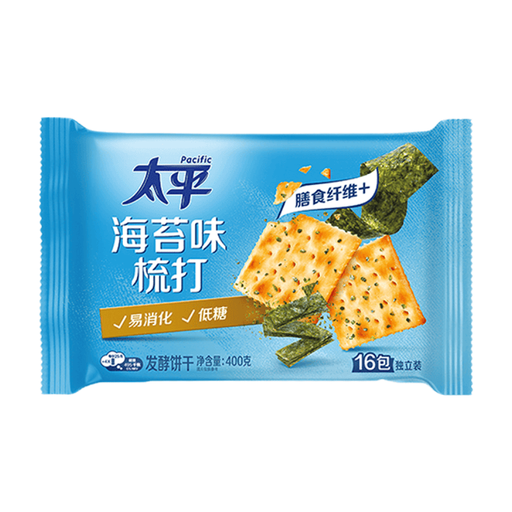 Image unavailable
Worth considering if your group would prefer seaweed-flavoured biscuits with coffee rather than a sweet recipe.
The product title states that this is a 400 g family-size pack. If you’re planning to open it over several breaks, check the packaging to see how it’s portioned, and look at the ingredients and allergens.
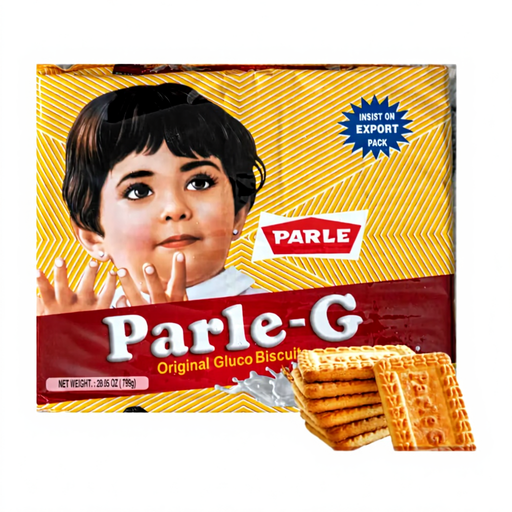 Image unavailable
This large pack could suit a group planning to share biscuits over lots of breaks.
The pack is listed as 799 g. Before choosing it for sharing over several days, check the number of portions, whether there are individual sachets and the storage instructions for after opening.
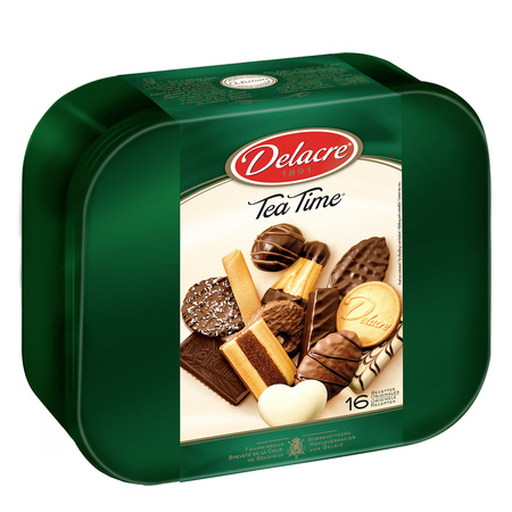 Image unavailable
This assortment is for groups who’d rather serve a selection of biscuits with coffee than just one type.
The stated pack size is 500 g. Check the ingredients and allergens in the assortment for anyone who needs to, and see how it’s portioned if you’ll be using the tin more than once.
No. The DGCCRF describes Nutri-Score as a voluntary label. Nutrition information is generally required on prepacked foods, so you can use the table to compare values per 100 g even when no Nutri-Score is shown.
Check the net weight and number of portions or sachets, then look at the ingredients, allergens and nutrition information for the product you’re considering. When buying for a group, first make sure everyone can eat the recipe. The brand name or picture on the pack isn’t enough.
Follow the manufacturer’s instructions and reseal the pack after taking out the amount you need. For its family-size Galettes au bon beurre, St Michel recommends storing them in a cool, dry place away from light. If you use a biscuit tin, keep it clean and dry.
No. The name alone doesn’t tell you how much sugar they contain. E.Leclerc’s product listing for Grainea 600 g chocolate and cereal breakfast biscuits states that they contain 23.9 g of sugar per 100 g. When choosing between similar products, compare their nutrition information rather than relying on the name alone.