What should you compare before switching machines?
Automatic bean-to-cup machine
Worth considering: if you regularly make espresso from whole beans without wanting to measure out every cup by hand.
Bear in mind: UFC-Que Choisir notes that these machines are noisier and bulkier than capsule machines, and need regular maintenance.
Capsules
Worth considering: if you’d rather stick with ready-to-use portions than handle beans or ground coffee.
Bear in mind: each drink uses an individual capsule, and the format must be compatible with your machine.
Soft coffee pods
Worth considering: if you want pre-portioned coffee without using a rigid capsule.
Bear in mind: you’ll need to find pods that fit your machine’s pod holder and maintain the machine, including descaling it.
Portafilter machine
Worth considering: if you want more control over dosing and preparing your espresso.
Bear in mind: making coffee and cleaning up involve more steps. Check whether you’ll need a grinder to use whole beans.
Once you’ve chosen how you want to make your coffee, compare the costs based on how many drinks you usually have. Then check what the machine will need from your worktop and your daily routine.
| Priority |
What to check |
Think about what you need |
| Running costs |
Compare the cost of the machine, coffee per drink and compatible consumables, such as filters, descaler, cleaning products and parts. UFC-Que Choisir distinguishes between the higher purchase price of a bean-to-cup machine and its lower coffee cost per cup compared with a pod espresso machine. |
I make enough coffee for ongoing costs to matter. I want to work them out based on the coffee and portions I’d actually buy. |
| Maintenance |
Check the model’s manual for instructions on rinsing the trays and brew group, descaling and maintaining the milk system. UFC-Que Choisir says the steam wand should be rinsed after making milk-based drinks. |
A quick routine matters to me, especially if I also make drinks with milk. I want to know which parts need cleaning after use and which need periodic maintenance. |
| Space and noise |
Measure the width, depth and height, and allow enough clearance to access the tanks and remove the trays. UFC-Que Choisir says a grinder is bulkier and noisier than a capsule system. |
In a small kitchen or open-plan space, I need to be able to fill and clean the machine where it normally sits. The sound of the grinder may also matter, depending on when I make coffee. |
| Waste |
Check what each drink leaves behind: coffee grounds, a capsule or pod, and the coffee packaging. In France, ADEME says aluminium and plastic capsules can be recycled with paper and packaging. Check your local arrangements for food waste. |
If I want to avoid a packaged portion with every cup, whole beans or ground coffee meet that preference, but there will still be coffee grounds and packaging. |
| Coffee format |
Check which beans, ground coffee, capsules or pods are accepted by the exact model. If you’re choosing a portafilter machine without a grinder, you’ll need a separate grinder to use whole beans. |
I’d rather choose my own coffee, or stick with portions that are already measured out. The machine’s compatibility needs to suit the way I prefer to make coffee. |
A guide to the brands
These examples cover different types of machine. Always check the features and maintenance requirements of the specific model you’re considering.
De’Longhi
De’Longhi offers bean-to-cup espresso machines and portafilter machines. The French support page for the Magnifica S Smart FEB2533.SB provides a product sheet, a quick start guide and an instruction manual.
- A model-specific manual helps you understand the maintenance involved before you buy.
- Check which filters, maintenance products and parts are compatible with the exact model you choose.
Philips
Philips offers automatic grinders and SENSEO pod machines, with maintenance requirements varying by model.
- Philips says the brew group on its 2200 Series EP2223/40R1 can be removed and rinsed under the tap.
- This feature doesn’t apply to every Philips machine. Check the manual for the model you’re considering, particularly for descaling instructions.
Sage
Sage’s Barista Express is an example of a portafilter machine with a built-in grinder, suited to households that want more control over the coffee-making process.
- Sage lists a 54 mm portafilter and dimensions of 31,8 × 35,1 × 40,4 cm for this model, which can help you check whether it will fit.
- Even with a built-in grinder, you’ll still need to clean the portafilter, coffee grounds and accessories you use.
Nespresso
Nespresso is worth considering if you want to stick with capsules while exploring collection options in France.
- Nespresso says it has more than 2 000 capsule collection points in France. You can also check by postcode whether collection in a yellow recycling bin is available.
- These services apply to Nespresso capsules under the conditions it specifies. They don’t eliminate individual packaging or cover other systems.
Machines to suit different preferences
This Joybuy selection includes automatic grinders for switching to whole beans, a soft pod machine for sticking with pre-portioned coffee and a portafilter machine for a more hands-on approach. Compare their formats and maintenance requirements with your habits before choosing.
 Image unavailable
Philips EP2230/10 Series 2200 LatteGo, black
An automatic grinder to consider if you want to make espresso from whole beans without having to measure out every cup by hand. Check how much space it needs and how to clean the brew group and milk system. If you plan to use an AquaClean filter, check the conditions of use and compatible consumables.
View on Joybuy
 Image unavailable
De’Longhi Magnifica Start ECAM220.21.WW, white
This automatic grinder is suited to households that want to use whole beans while keeping coffee preparation simple. Remember to empty the grounds and follow the model’s maintenance instructions. Measure the space it will need, and consider the noise of grinding if your kitchen is open-plan.
View on Joybuy
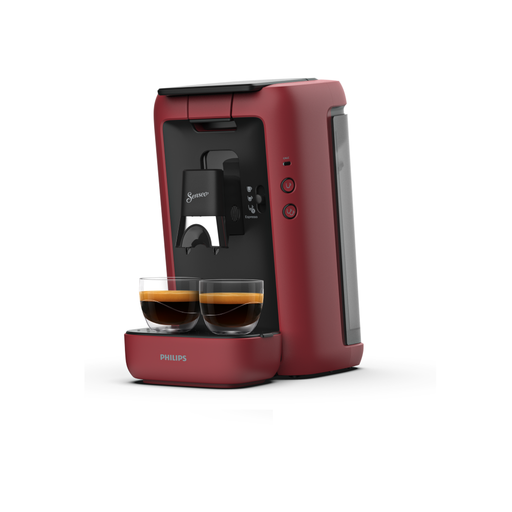 Image unavailable
Philips SENSEO Maestro CSA260/91, red
This option lets you keep making coffee with SENSEO pods rather than switching to whole beans. Check which pods are compatible, how much they cost per drink and the relevant disposal guidance. Pod machines also need descaling, as explained in the manual.
View on Joybuy
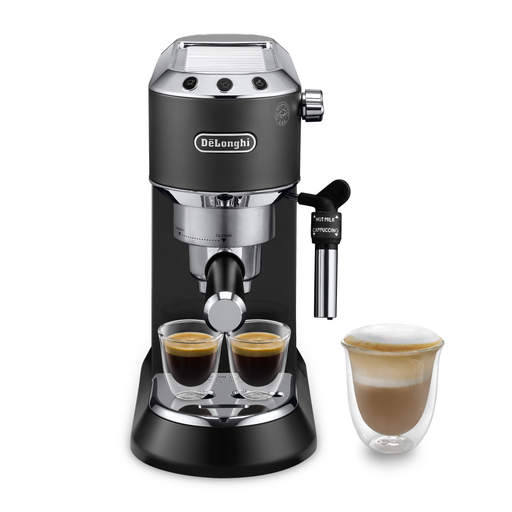 Image unavailable
De’Longhi Dedica Style EC685.BK, black
This portafilter machine is a good fit if you want to make coffee more manually. The product listing says it works with ground coffee or ESE pods. If you want to use whole beans, you’ll need a separate grinder. Check the water tank capacity for the model being sold, and leave room to use and clean the portafilter.
View on Joybuy
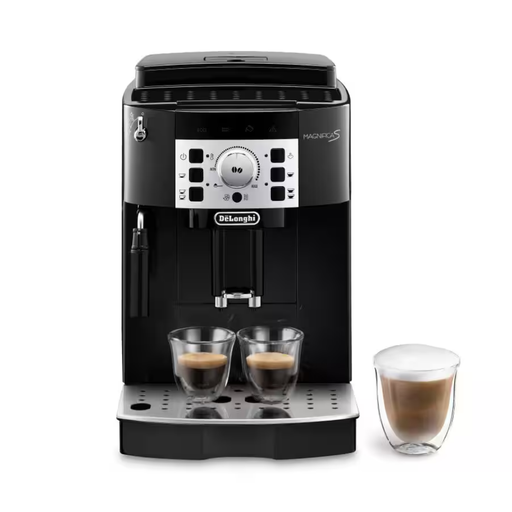 Image unavailable
De’Longhi Magnifica S ECAM22.140.B, black
This automatic grinder is another option if you’re replacing capsules with espresso made from whole beans. Switching to a grinder means emptying the grounds and maintaining the machine. Check its dimensions, how noisy it is in use and which consumables it needs before deciding where to put it.
View on Joybuy
Frequently asked questions
How do the running costs of a grinder compare with a capsule machine?
Compare the price of each machine, then factor in coffee and maintenance products based on how many drinks you make. UFC-Que Choisir reports that a grinder costs more to buy, while the coffee can cost less per cup than espresso pods. Do the sums using the beans, capsules or pods you’d actually buy.
What maintenance does a bean-to-cup espresso machine need?
Rinse the coffee grounds and drip trays regularly, clean the brew group or brewing chamber as instructed for your model, and descale the machine when prompted, following UFC-Que Choisir’s advice. Rinse the steam wand after making a milk-based drink. Check your model’s manual for the exact steps and products to use.
Where should you dispose of coffee capsules in France?
ADEME says aluminium and plastic capsules can go in the recycling bin, bag or container for paper and packaging. Check the guidance for the material your capsules are made from, as well as your local arrangements for food waste. Recycling doesn’t remove the individual packaging used for each cup.
Does a soft pod machine need descaling?
Yes. Descaling is part of maintaining a pod machine, and Philips SENSEO support provides instructions on how to do it. Follow the frequency, procedure and product recommendations in the manual for your exact model.


