To go with a savoury breakfast, start by choosing the body you enjoy in your cup: a balanced profile if you’re wary of dominant bitterness, or a blend described as full-bodied if you prefer a more pronounced espresso. The blend, tasting notes and your brewing method will tell you more than an intensity rating on its own.
Who are these profiles for?
Fans of a full-bodied espresso at breakfast
If you’d like a pronounced cup with eggs, cheese or cured meats, look at Arabica-Robusta blends and profiles described as full-bodied. The blend and brewing method matter too: an intensity rating alone won’t tell you whether you’ll enjoy it.
Everyday coffee drinkers looking for balance
If you’d rather your coffee complement your meal without dominating your morning, descriptions such as ‘balanced’ and notes of cereal or dried fruit can help guide you. Carte Noire uses these terms for its Grains Classique, a 100% Arabica coffee.
Shoppers who care about pack size and origin
If you make coffee regularly, choose a pack size that suits how quickly you’ll get through it once opened. If organic or fair trade matters to you, check the claim on the specific product, then consider its flavour profile separately.
What should you look for?
When choosing coffee beans for a savoury breakfast, start with the kind of coffee you want to drink, then check the blend and pack size. The three considerations below reflect different shopping priorities.
| What to consider |
What to check |
Who is it for? |
| Body and character |
Read the bean blend and any notes on body or roast, bearing in mind how you usually prepare your coffee. |
With a generous savoury breakfast, I mainly want an espresso that retains its character. Around 45% of consumers prioritise this fuller-bodied profile. |
| Everyday balance |
Check the tasting notes and roast profile; intensity scales from different brands aren’t directly comparable. |
If I drink coffee every morning, I want a noticeable flavour without dominant bitterness. Around 33% of consumers put this search for balance first. |
| Origin and pack size |
Check the organic or fair trade claims on your chosen product and match the pack size to how often you drink coffee. |
I look for a certification, or prefer a pack I can use without leaving it open for too long. Around 22% of consumers prioritise these origin or pack-size considerations. |
Mistakes to avoid
-
Choosing based on the intensity rating alone
A number on its own doesn’t tell you about the coffee’s body, tasting notes or how it will come out in your cup. Brands may also use different scales.
Consider the rating alongside the blend, roast description and recommended brewing method. If you’re unfamiliar with the profile, a smaller pack means less time spent using a coffee you don’t enjoy.
-
Buying a 1 kg pack without considering how quickly you’ll use it
This size is better suited to you if you regularly make several cups. If you often switch between coffees, an opened pack could be left open for a long time.
Choose a size that suits the number of cups you make, and seal the pack carefully after each use.
-
Assuming a certification tells you what the coffee tastes like
An organic or fair trade claim alone doesn’t tell you about a coffee’s body or bitterness. The European Commission describes the EU organic logo as a way to identify the organic products it covers, not as an indication of flavour.
Check the certification if origin is important to you, then look at the blend and tasting notes to choose the coffee you’ll enjoy.
Brands to know when comparing profiles
These ranges give you a few points of comparison for blends, flavour descriptions and pack sizes. A brand name is no substitute for checking the specific product you’re considering.
Carte Noire
The coffee bean range includes 100% Arabica coffees and Arabica-Robusta blends, with different profiles described by Carte Noire.
- The brand describes Grains Classique as balanced, with notes of cereal and dried fruit, while Bio Intense is described as fuller-bodied.
- These descriptions apply to the products mentioned. Check the one you’re considering rather than assuming the whole range tastes the same.
Lavazza
Lavazza offers, among other options, 100% Arabica coffee beans and blends designed for espresso.
- The brand describes Super Crema as full-bodied, with notes of roasted hazelnut and brown sugar.
- Check the specific product and its blend: the description of Super Crema doesn’t apply to every Lavazza coffee.
Malongo
Malongo offers single-origin coffee beans and blends, including organic and fair trade options.
- The range lets you compare the type of coffee, the certifications displayed and pack sizes such as 500 g or 1 kg.
- You can’t tell how a coffee will taste with a savoury meal from its origin or certification alone.
Carrefour Extra
Carrefour sells, among other products under this name, a 1 kg Barista Blend and 1 kg packs of 100% Arabica coffee beans with an intensity rating of 6.
- These products let you compare the blend and intensity details shown on different packs.
- Don’t assume they’ll taste the same just because they’re part of the same range.
Plantation (Marque Repère / E.Leclerc)
E.Leclerc sells, among other options, Plantation Tradition and 100% Arabica coffee beans in 1 kg packs.
- The names of these two products help you identify the type of beans you’re looking for before comparing their other details.
- For Tradition, check the flavour profile description before deciding whether it suits your breakfast.
Coffee beans available on Joybuy
These 1 kg packs of coffee beans are worth exploring if you’re looking for either a pronounced espresso or a cup that’s less dominant. Check the profile and blend of each product before making your choice.
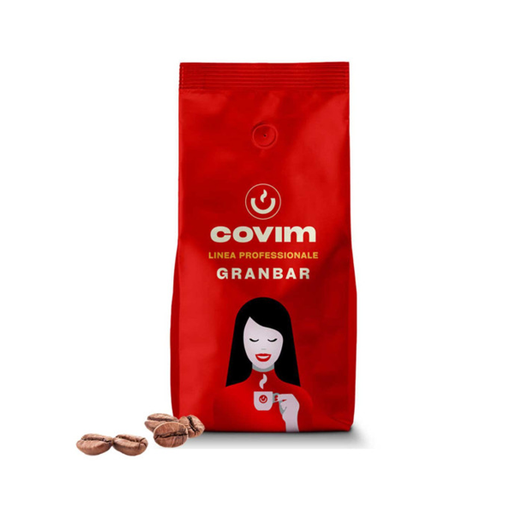 Image unavailable
COVIM Granbar coffee beans, 1 kg
If you make espresso at breakfast and want a pronounced cup, compare this coffee’s profile with your preferences.
Pack size: 1 kg. Check the blend if you want to know the proportion of each type of bean.
View on Joybuy
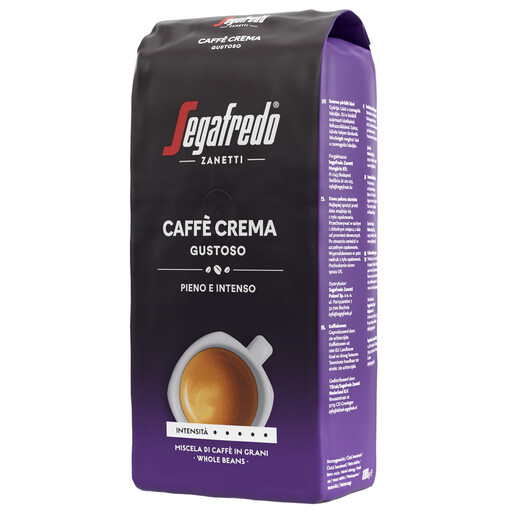 Image unavailable
SEGAFREDO ZANETTI Cremoso coffee beans, 1 kg
If you make caffè crema, compare this coffee’s stated profile with the body you’d like to enjoy alongside your meal.
Pack size: 1 kg. Check the blend on the pack if you’d like to know how much Arabica and Robusta it contains.
View on Joybuy
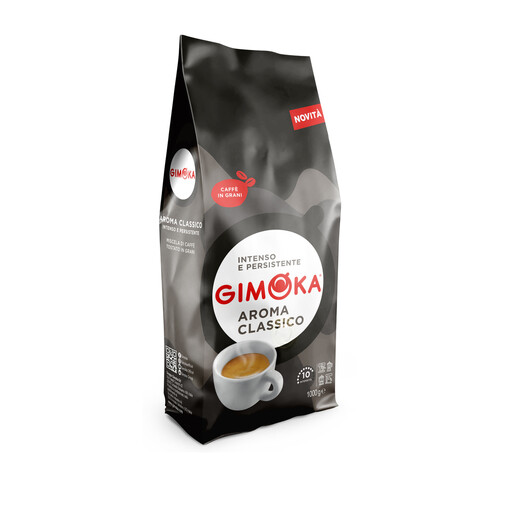 Image unavailable
GIMOKA Aroma Classico coffee beans, 1 kg
If you enjoy a pronounced espresso, consider this coffee if you’re happy for an intense cup to dominate a lighter breakfast.
Pack size: 1 kg. If you usually prefer a milder coffee, check the flavour description before choosing this pack.
View on Joybuy
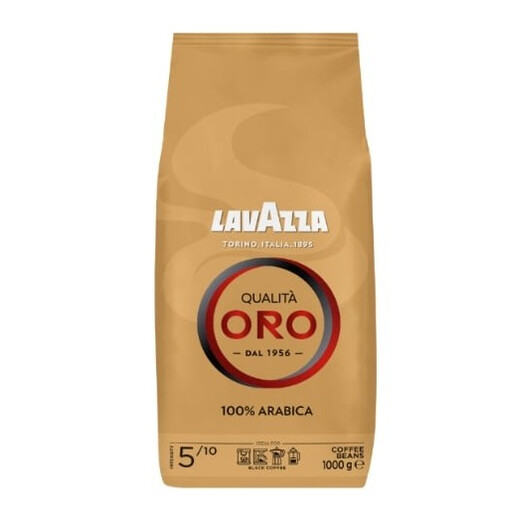 Image unavailable
Lavazza Oro coffee beans, 1 kg
If you’re after a less dominant everyday cup, compare the tasting notes for Lavazza Oro with those of fuller-bodied profiles.
Pack size: 1 kg. Make sure this quantity suits how often you drink coffee.
View on Joybuy
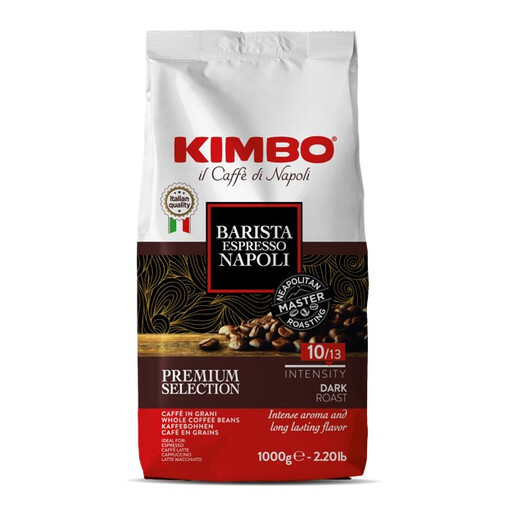 Image unavailable
KIMBO Barista Espresso Napoli, intensity 10/13, 1 kg
If you’re looking for a Neapolitan-style espresso at breakfast, consider this coffee in light of your preference for pronounced profiles.
Pack size: 1 kg; intensity rating: 10/13. This number is no substitute for checking the blend and brewing instructions.
View on Joybuy
Frequently asked questions
Is an Arabica-Robusta blend always a better choice for a savoury breakfast?
No. It’s worth considering if you’re looking for body, but your meal doesn’t call for one particular blend. If you prefer a smoother cup, compare balanced profiles too, and bear in mind how you usually prepare your coffee.
Can you compare the intensity ratings of two brands directly?
Not by looking at the number alone. Use the intensity rating as a guide to that particular product, and check the bean type, roast and tasting notes too.
How should you choose and store a 1 kg pack?
Choose 1 kg if you’ll use the pack regularly once it’s open. Seal it carefully and keep it somewhere cool and dry; if you often switch between coffees, a smaller pack may be more practical.
Does the European organic logo mean the coffee is milder?
No. According to the European Commission, the EU organic logo helps identify the organic products it covers; it doesn’t indicate how mild or intense the coffee tastes. For flavour, check the blend description separately.


