When buying coffee beans as part of your weekly shop, first choose a quantity that suits how much you drink, then pick a roast profile to match the drinks you make. Coffee beans listed by Carrefour France, E.Leclerc and the manufacturers consulted are sold by weight, including 500 g, 900 g and 1 kg packs. If you specifically need “80 sachets”, check that the product is actually coffee beans and not a pre-portioned product.
Who is this guide for?
People who regularly make coffee from beans
If you often use a machine with a built-in grinder or a separate grinder, a larger pack can mean fewer shopping trips. However, think about how long the pack will be open. Malongo describes its 1 kg pack as suited to heavier coffee drinkers in particular, although it may not be right for every household.
People who care about the taste of their espresso
If the roast and tasting notes influence your choice, compare the descriptions of each product rather than looking at its intensity alone. Carte Noire and Lavazza describe different profiles across their ranges, and the result also depends on how you prepare your coffee.
People looking for decaffeinated coffee or a particular certification
If your priority is decaffeinated, organic or Fairtrade coffee, check the specific product. Malongo offers products that meet these criteria, but their availability within the range does not mean that every coffee from the brand has them.
What should you look for?
For your weekly shop, first make sure you’re comparing coffee beans with pre-portioned products, then match the pack size to how much coffee you drink. After that, narrow down your choice by considering the flavour you prefer and the details listed for the specific product.
| Criteria |
What to check |
Who it’s for |
| Quantity to buy |
Net weight, number of packs and how much you drink between shops. |
I want to buy enough beans for the week without leaving an open pack for too long. Around 29% of consumers would put this need first. |
| Flavour in the cup |
The roast, the tasting notes and the intensity shown for the product. |
For my espressos or longer coffees, I’m looking above all for a flavour profile I enjoy. This would be the priority for around 36% of consumers. |
| Storage |
Whether the pack can be resealed and whether it’s divided into smaller packs, for example 2 × 500 g. |
If I like to switch between coffees, I’d rather not leave my whole supply open at once. Storage would come first for around 21% of consumers. |
| Decaffeinated coffee or certifications |
The claims and certifications shown for the specific product. |
I’m looking first for decaffeinated coffee or a particular certification, before choosing the pack size. Around 14% of consumers would make this their priority. |
Common mix-ups to avoid
-
Assuming “80 sachets” means coffee beans
Coffee beans listed by Carrefour France, E.Leclerc and the manufacturers mentioned are sold by weight. The word “sachets” may point to a pre-portioned product, which is used differently.
Check what type of coffee it is and what equipment you’ll need: beans must be ground in a machine with a built-in grinder or in a separate grinder before brewing.
-
Always choosing the biggest pack
A 1 kg pack can mean fewer shopping trips, but you also need to be able to use the beans at a suitable pace. Carte Noire recommends keeping the pack sealed and away from light and moisture, and grinding only as much as you need.
If you often switch between coffees, compare a 500 g pack with a 1 kg pack explicitly divided into 2 × 500 g.
-
Treating intensity as a standard measure across all brands
An intensity rating alone doesn’t tell you about the tasting notes or body you’re looking for. Carte Noire and Lavazza describe their profiles in their own terms.
Also check the roast and tasting notes given for the product, bearing in mind how you usually prepare your coffee.
-
Assuming a certification applies to an entire brand
Whether a coffee is decaffeinated, organic or Fairtrade applies to a specific product; it doesn’t automatically extend to other coffees in the range.
Check the claims and certifications on the product page and packaging of the one you’ve chosen.
Brands to compare for coffee beans
These ranges give you a starting point for comparing options for your weekly shop. Check the pack size and features of each individual product.
Carte Noire
The brand offers coffee beans in 500 g, 900 g and 1 kg packs, particularly for machines with built-in grinders and separate grinders.
- Carte Noire describes a range of flavour profiles and intensities.
- Check the weight and profile of each individual product.
Lavazza
The range offers several roast profiles for coffee beans.
- The manufacturer’s descriptions can help you find the tasting notes you’re after.
- These flavour descriptions are not an independent comparison between brands.
Malongo
The brand offers coffee beans in 1 kg packs, including decaffeinated, organic and Fairtrade products.
- Malongo also offers a 1 kg pack divided into 2 × 500 g.
- Split packs and certifications apply only to the products that state them.
Carrefour
Carrefour’s own-label ranges—Carrefour Classic', Carrefour Extra, Carrefour Sensation and Carrefour Bio—include coffee beans in 500 g or 1 kg packs, depending on the product.
- The different ranges let you compare pack sizes and stated profiles.
- Product availability depends on the store and how you shop.
E.Leclerc / Plantation
The Plantation coffee beans listed by E.Leclerc include 500 g and 1 kg packs.
- The range includes traditional and pure Arabica varieties, among others.
- Product availability can vary from one store to another.
Jacobs
Jacobs Barista Editions Espresso is listed as a 1 kg pack of coffee beans on a Carrefour France product page.
- This gives you another espresso profile to consider in a larger pack.
- Check availability at your store or for your chosen collection option before planning to buy it.
Coffee beans on Joybuy
This selection includes 500 g packs, a 1 kg pack and another coffee bean product whose weight you should check on the product page. Compare them based on how much you’ll use between shops and the profile stated for each product; these are not boxes of 80 sachets.
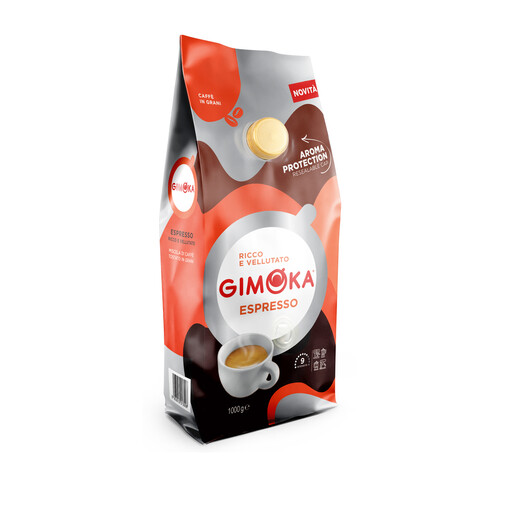 Image unavailable
GIMOKA Espresso coffee beans with screw-top lid, 1 kg
This 1 kg pack is aimed at people who regularly drink coffee made from beans; check that it suits how much you drink. The product name specifies a screw-top lid.
View on Joybuy
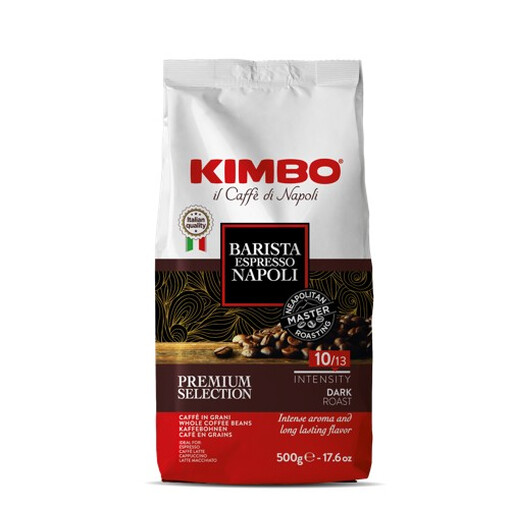 Image unavailable
KIMBO Espresso Napoli coffee beans, intensity 10/13, 500 g
The 500 g pack is a good choice if you prefer to buy a smaller quantity at a time. The 10/13 intensity rating is specific to this product, rather than a measure you can compare directly with another brand’s rating.
View on Joybuy
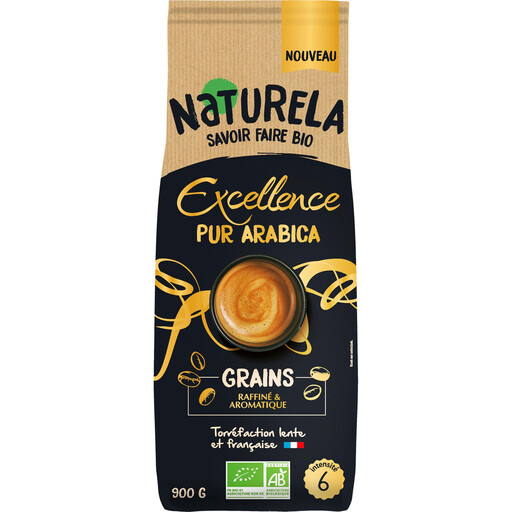 Image unavailable
Naturela Organic Arabica coffee beans
This product may appeal if you’re looking for Arabica coffee beans. Before adding it to your weekly shop, check the pack weight, the organic claims and the instructions on the packaging.
View on Joybuy
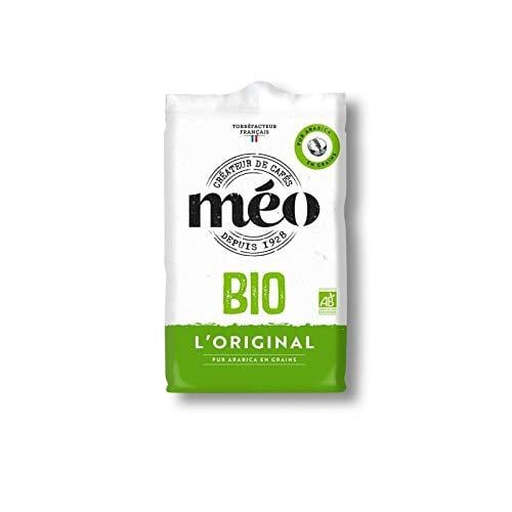 Image unavailable
MEO Organic 100% Arabica coffee beans, 500 g
The 500 g pack lets you buy a smaller amount of beans if you like to switch between coffees. Check the organic claims and storage instructions on the packaging for this product.
View on Joybuy
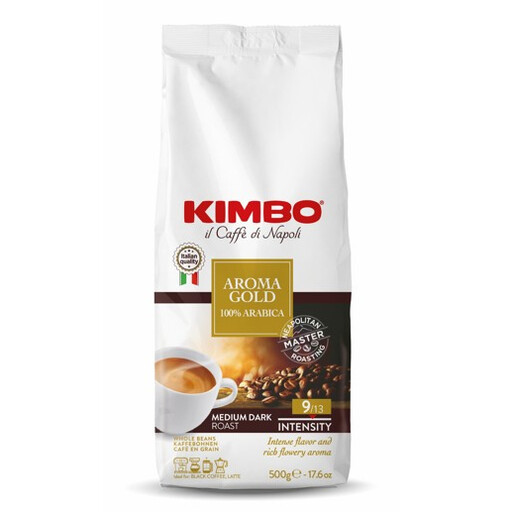 Image unavailable
KIMBO Aroma Gold 100% Arabica coffee beans, 500 g
This 500 g pack is another option if you prefer to buy a smaller quantity. Its name specifies a medium-dark roast and an intensity of 9/13. Check the product description to see whether its profile suits the drinks you usually make.
View on Joybuy
Frequently asked questions
Is a box of 80 sachets suitable if I want to buy coffee beans?
Don’t rely on the number of sachets without checking the product category. Coffee beans listed by Carrefour France, E.Leclerc and the manufacturers consulted are sold by weight; some 1 kg products are made up of 2 × 500 g packs. If you’re looking for 80 individual portions, check whether the product is actually coffee pads, capsules or another type of pack.
What equipment do I need to make coffee from beans?
You’ll need a machine with a built-in grinder or a separate grinder to grind the beans before brewing. Carte Noire and Lavazza describe these uses for their ranges; also check the instructions for your equipment.
How should I store a large pack of coffee beans?
Keep the pack sealed and away from light and moisture, and grind only as much as you need, as Carte Noire recommends. If you want to keep some of the coffee unopened, check that the 1 kg pack is actually divided into 2 × 500 g.
How can I identify decaffeinated or certified coffee beans?
Read the claims on the specific product rather than relying on the brand name alone. Malongo offers, among other products, decaffeinated, organic and Fairtrade coffee beans, as well as a product carrying Fairtrade/Max Havelaar certification. These features don’t automatically apply to its other products.


