
Livraison le jour même ou le lendemain

Qualité garantie

Débloquez vos offres de bienvenue: Livraison GRATUITE | Jusqu'à -80 % | 30 jours d'essai gratuits à JoyPlus
Téléchargez l'application
Buying coffee beans 1 kg helps you avoid running out of stock and reduces the cost per cup. But a large format alone doesn't guarantee a great taste experience. Between promises of intensity, Arabica-Robusta blends and packets fitted with a valve, a few checks are needed before you place your order.
Whether you use a bean-to-cup machine, a traditional grinder or an espresso machine with a portafilter, three mistakes crop up time and again.
A high intensity rating usually describes the aromatic strength, bitterness or character of the coffee. It doesn't directly measure its caffeine content. A very intense coffee may contain a high proportion of Robusta, but only the label will tell you its exact composition.
The phrase "Italian coffee" often refers to a roasting style or a preparation tradition, not necessarily the origin of all the beans. A coffee can be roasted in Italy while bringing together beans from several producing regions. So take the time to check the composition: 100% Arabica, an Arabica-Robusta blend or 100% Robusta.
A 1 kg packet is best suited to households that drink coffee regularly, offices and catering establishments. However, repeated opening speeds up the loss of aroma. A freshness valve helps protect the beans before opening, but the best approach is to store them in an airtight, opaque container, away from heat and moisture.
Arabica Robusta coffee generally combines the aromatic finesse of Arabica with the power and body of Robusta. The proportions have a direct impact on the result in the cup:
For a milky drink, a well-bodied blend will cut through the taste of milk more easily. For a short espresso, the choice will mainly depend on your tolerance for bitterness and the grind setting.
Intensity scales are not standardised from one brand to another. Treat them as a guide within a single range, rather than a measure for comparing all coffees. Notes of chocolate, dried fruit, spices or caramel often give a clearer idea of the expected profile.
An espresso coffee beans intended for a bean-to-cup machine should also remain versatile enough if you prepare both long blacks and cappuccinos or lattes.
Coffee beans intended for a bean-to-cup machine must handle consistent grinding and offer enough adjustment range on the grinder. With a traditional espresso machine, the fineness of the grind and the dose become decisive. The same beans can produce a very different result depending on temperature, pressure, water volume and extraction time.
To find the right setting, change only one parameter at a time: grind, dose or cup volume. This way you can fine-tune the result without blaming the coffee too quickly.
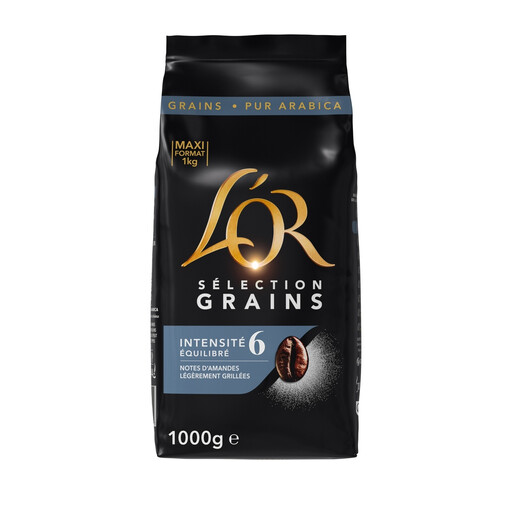
Why this choice suits this profile: With its 100% Arabica blend and stated intensity of 6, this coffee is well suited to a first discovery of beans, whether on a bean-to-cup machine or with a traditional grinder.
The composition is clearly stated: you're not relying solely on the intensity level and can expect a profile less dominated by Robusta.
100% Arabica, 1 kg packet and freshness valve according to the product listing.
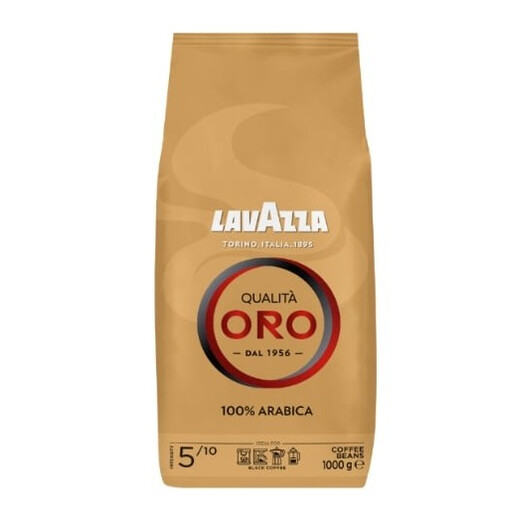
Why this choice suits this profile: This Italian 1 kg coffee brings together several Arabica varieties from Central and South America, with a profile described as balanced, floral and fruity.
The listing details the composition and possible extraction methods, rather than reducing the choice to a simple promise of intensity.
100% Arabica, stated medium roast and compatibility with espresso, filter, moka pot or French press.
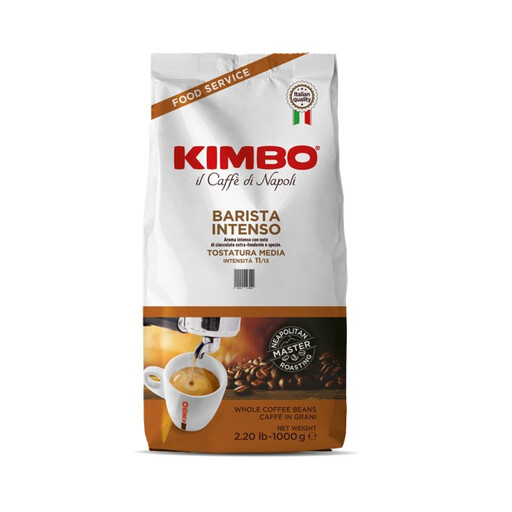
Why this choice suits this profile: With its Arabica-Robusta blend and stated intensity of 12/13, this coffee is aimed at full-bodied espressos, crema coffees and milky drinks at home, in the office or in catering.
The listing specifies the composition, country of roasting and storage conditions. This gives you concrete information to make your choice.
1 kg bag with one-way valve, Arabica-Robusta blend and versatile use.
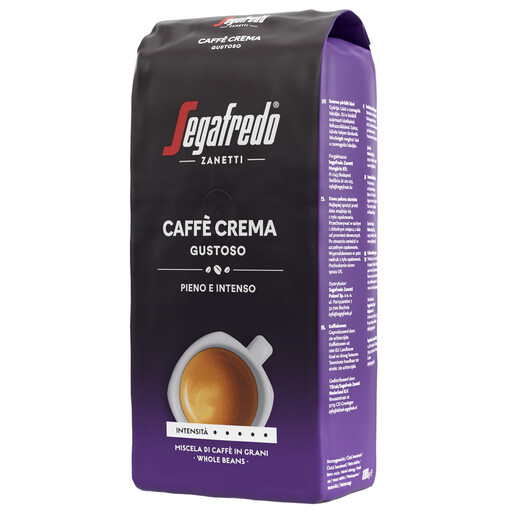
Why this choice suits this profile: The listing recommends it for caffè crema and the most common machines, with an Arabica-Robusta blend and a profile described as full-bodied.
The intended use is clearly stated. This limits the risk of choosing a coffee that's too light for a long extraction or a milky drink.
1 kg format, beans to grind just before extraction and a profile designed for a dense crema, according to the product description.
We've put together a comprehensive, real-time updated list of products that fully meet these strict selection criteria and European safety regulations.
A 1 kg packet will generally make between 125 and 140 cups, based on 7 to 8 g of coffee per cup. Actual consumption varies depending on your machine's settings, the format chosen — espresso or long black — and the strength level selected.
To preserve the aromas:
It all depends on your consumption, the packaging and storage conditions. To best preserve the aromatic profile, choose a format that suits your pace and protect the beans from air, moisture, heat and light.
Choose a blend whose profile matches the drinks you make most often. A mild Arabica works well for long coffees, while a more full-bodied Arabica-Robusta blend will express itself more in an espresso or cappuccino. Also remember to check your machine manufacturer's recommendations.
Often, the larger format reduces the cost per cup. However, you need to consider freshness after opening and the amount actually consumed. If your household drinks little coffee, two smaller packets may ultimately preserve the aromas better and limit waste.