
Livraison le jour même ou le lendemain

Qualité garantie

Débloquez vos offres de bienvenue: Livraison GRATUITE | Jusqu'à -80 % | 30 jours d'essai gratuits à JoyPlus
Téléchargez l'application
Looking for coconut juice with pulp to enjoy chilled, serve with an Asian dish or add to a cocktail? Between coconut water with pulp, young coconut juice and flavoured drinks, it is not always easy to know which option to choose.
A few common mistakes crop up regularly:
The stated coconut content gives you an initial idea of the texture and intensity on the palate. For example, FOCO Roasted Coconut Juice with Pulp contains 80 % coconut juice, along with water, sugar and coconut pulp. The 310 ml TAS product, meanwhile, states that it contains 70 % young coconut juice and 2.5 % pulp.
With less pulp, the drink is generally lighter and contains only a few pieces. A higher proportion creates a fuller texture and a more pronounced presence on the palate. For cocktails, a medium texture is often easier to mix. When enjoyed on its own, coconut pieces add a pleasant contrast.
The word “natural” does not necessarily mean “no added sugar”. The products reviewed contain sugar and several coconut juices with pulp provide around 30 to 33 kcal per 100 ml.
Before making your choice, take a close look at:
This quick check is particularly useful if you intend to consume this exotic drink regularly or add it to recipes that are already sweetened.
The smaller 310 to 350 ml formats are ideal for a break, lunch or tasting without having to deal with leftovers. The 500 ml format is better suited to households, cocktail making or recipes.
Before opening, these drinks can generally be stored at room temperature in a dry place, away from heat and direct sunlight. Once the can has been opened, the instructions often recommend storing it between 2 °C and 8 °C and consuming it within three days. Always check the best-before date and the instructions printed on the packaging.
If you are sensitive to certain ingredients, take the time to read the allergen declaration too. The TAS 310 ml product, for example, mentions the presence of sulphites, while the FOCO and Sunlee product information states that no allergens are declared.
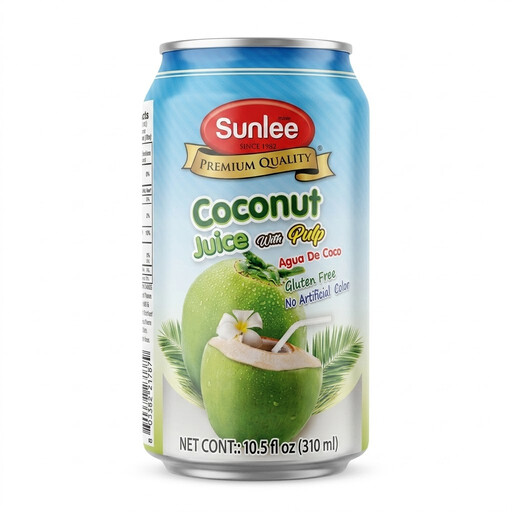
Why this choice suits this profile : its individual 310 ml format lets you discover coconut water with pulp without committing to a larger pack.
The product information clearly lists coconut juice, water, sugar and young coconut pulp, so you know exactly what the drink contains before buying it.
310 ml can, 30 kcal per 100 g according to the product information, with room-temperature storage before opening.
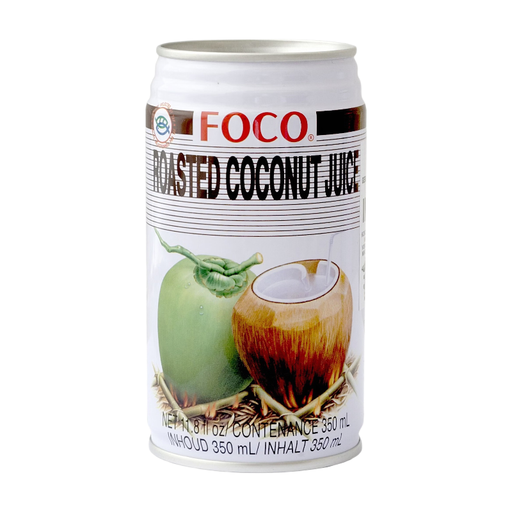
Why this choice suits this profile : its roasted coconut note makes a pleasantly different alternative to classic young coconut juice.
The product information clearly distinguishes roasted coconut juice, pulp, water, sugar and citric acid, so the flavour profile is not defined solely by the product image.
Stated origin : Thailand; 350 ml; 31 kcal and 7.7 g of sugar per 100 ml according to the product information.
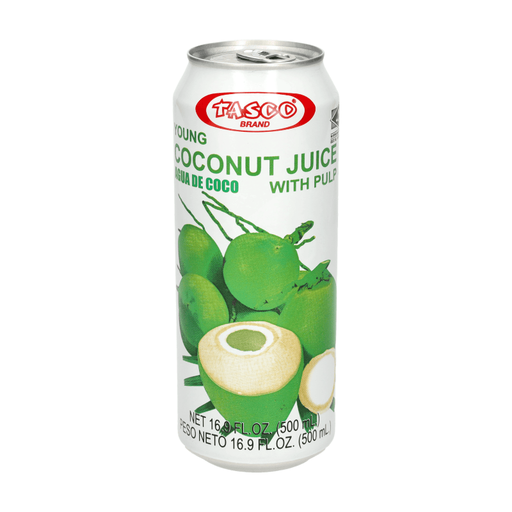
Why this choice suits this profile : at 500 ml, it is ideal for recipes, cocktails and meals where a small can is not enough.
The format is clearly stated and the product information details the presence of young coconut juice, water, sugar and pulp, with no declared allergens.
500 ml, 33 kcal and 8.1 g of carbohydrates per 100 ml; refrigerate after opening and consume within three days.
We have compiled a complete, real-time updated list of products that fully meet these strict selection criteria and European safety regulations.
To distribute the pulp evenly, gently shake the can before opening it. It may settle at the bottom during storage. Serve the drink well chilled, neat or with a few ice cubes. Thai coconut juice pairs particularly well with spicy dishes, Asian salads and fruit desserts.
In a cocktail, it works well with lime, pineapple or a spirit, depending on the recipe. For professional use, allow for several small formats if each customer needs their own can. The 500 ml format is more practical when the contents will be used quickly. An opened can should not be left at room temperature.
Coconut water with pulp is a light drink made from coconut water or young coconut juice, often with small pieces added. Coconut milk is a creamier preparation made from the flesh of the fruit. The two products therefore have different uses, whether in a glass or in cooking.
The products featured generally recommend refrigerating the drink and consuming it within three days. The instructions on the packaging take priority: the storage time may vary depending on the recipe and packaging.
310 ml coconut juice is suitable for an individual serving. At 350 ml, 350 ml coconut juice offers a convenient compromise for a tasting or lunch. 500 ml coconut juice is better suited to sharing, cocktails and recipes that require several glasses.