
Livraison le jour même ou le lendemain

Qualité garantie

Débloquez vos offres de bienvenue: Livraison GRATUITE | Jusqu'à -80 % | 30 jours d'essai gratuits à JoyPlus
Téléchargez l'application
Coconut water is popular for its light taste, ready-to-drink format and often simpler ingredients than fizzy drinks. But not all coconut-based drinks are created equal. Whether you’re choosing 100% natural coconut water, a sweetened coconut drink, a product made from concentrate or a family-size pack, it’s worth checking the label carefully to avoid any surprises.
Whether you’re looking for a naturally hydrating drink, coconut water to enjoy after a workout or a convenient option for home, there are three common pitfalls to watch out for.
A drink may feature an appealing coconut on the packaging, yet contain mainly water, sugar, flavourings or texture agents. First, check the ingredients list. For coconut water with no added sugar, the ingredients should generally start with ‘coconut water’ and contain no added sugar, syrup or sweetener.
Some products, for example, contain cane sugar or a high proportion of reconstituted coconut water. They may suit you if you fancy a flavoured drink, but they won’t meet the same needs as 100% natural coconut water.
These claims are no substitute for the nutrition information. Sodium, potassium and carbohydrate levels can vary depending on where the product comes from, how it’s processed and its recipe. Coconut water that’s rich in electrolytes can be enjoyed as part of your daily hydration or after physical activity, but that doesn’t automatically make it a suitable recovery drink for every situation.
If you’re choosing a drink for exercise, compare the ingredients, serving size and taste. If you’re exercising for a prolonged period or have specific nutritional needs, ask a healthcare professional for advice.
A 1 L bottle of coconut water can be an economical choice for several people, but it takes up space in the fridge once opened and needs to be consumed quickly. By contrast, an individual 245 to 350 ml carton is easy to carry, but uses more packaging per litre.
Before ordering a pack of coconut water, also check the best-before date, that the packaging is in good condition and the storage instructions on the label. Do not consume a swollen carton or a damaged can.
For a simple recipe, choose a product with a short ingredients list. Products such as Kara Coconut Water 330ml are described as containing 100% coconut water, with no preservatives, colourings or artificial sweeteners, according to the information provided. Their stated energy value is around 19 kcal per 100 ml, with 2.4 g of sugars per 100 ml.
Other products are made from concentrate. That doesn’t necessarily mean you should rule them out, but it’s worth bearing the process in mind. VITA COCO Coconut Water 1L, for example, states that it contains 99% coconut water and vitamin C. Always check the label on the pack you receive, as recipes and formats can change.
Coconut water naturally contains sugars. So ‘no added sugar’ does not mean ‘sugar-free’. Compare the ‘of which sugars’ figure per 100 ml, then work out how that relates to the amount you actually drink.
By contrast, a drink such as Bamboo Tree Coconut Water 330ml lists 98.5% coconut water and sugar among its ingredients. It should therefore not be described as coconut water with no added sugar. This distinction is particularly important for families and anyone keeping an eye on their sugar intake.
If you’re looking for vegan coconut water, check that it contains no ingredients of animal origin and review the declared allergens. Products made solely from coconut water are generally suitable for vegetarian or vegan diets, but the label is the only reliable guide. For organic coconut water, look for the EU organic logo and the certification body’s number. The word ‘natural’ alone does not mean a product is certified organic.
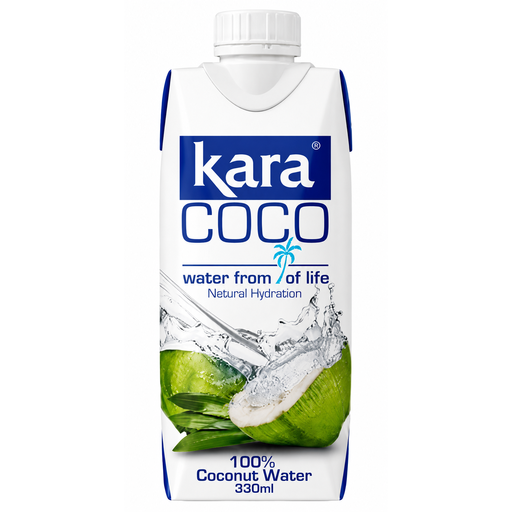
Why it suits this profile : Its single-serve format lets you try the product without having to buy a large quantity straight away.
The product listing states that it contains 100 % coconut water, with no added sugar, preservatives or artificial colourings.
A 330 ml carton, around 19 kcal per 100 ml and a reminder to refrigerate after opening.
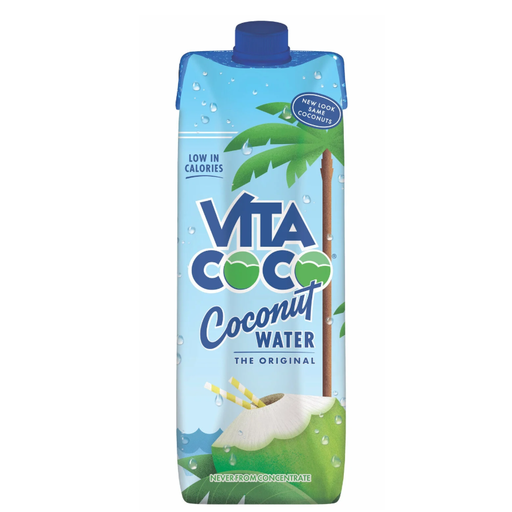
Why it suits this profile : Its family-size format is ideal if you prefer a well-known brand and a drink to serve chilled at home.
The ingredients clearly distinguish the coconut water and vitamin C, with nutritional values provided per 100 ml.
Stated to contain 99 % coconut water, with 13 kcal and 2.2 g of sugars per 100 ml, plus vitamin C listed on the label.
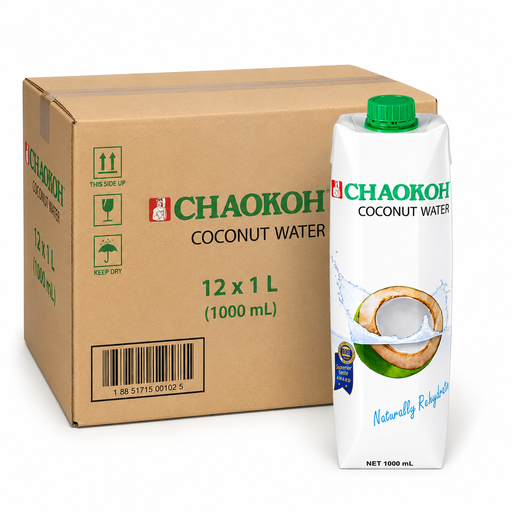
Why it suits this profile : This pack is well suited to offices, larger families, activity centres and regular shoppers.
The product listing states that it contains 100 % coconut water, with no added sugar or preservatives, rather than being a sweetened, flavoured drink.
Twelve 1 L cartons, around 20 kcal per 100 ml and 4.2 g of naturally occurring sugars per 100 ml.
We’ve put together a comprehensive selection, updated in real time, of products that meet these exacting criteria and European safety requirements.
It can be enjoyed as a refreshing drink after physical activity, as it naturally contains some minerals. However, its benefits depend on how long and how hard you exercise, how much you sweat and your overall diet. For a short workout, a 330 ml carton may be convenient. For prolonged activity, check the nutritional information and don’t routinely use it instead of a drink designed to meet specific sporting needs.
Always follow the instructions on the packaging first. Several products need to be refrigerated and consumed within two to seven days of opening. Reseal the carton or bottle properly, and don’t drink the product if its smell, appearance or taste seems unusual.
Coconut water is the liquid inside the coconut. It’s generally light and low in fat. Coconut milk is made from the flesh and has a creamier texture, with a higher fat content in many cases. The two products therefore serve different purposes, whether in cooking or as an everyday drink.