
Livraison le jour même ou le lendemain

Qualité garantie

Débloquez vos offres de bienvenue: Livraison GRATUITE | Jusqu'à -80 % | 30 jours d'essai gratuits à JoyPlus
Téléchargez l'application
Coconut water appeals to athletes, families and lovers of tropical flavours alike. But not every drink sold under this name has the same ingredients. Between 100% coconut water, recipes with added sugar, pulp, concentrates and large formats, a quick glance at the label can easily lead you to buy something that doesn’t match your needs.
Before you order coconut water in a bottle, can or multipack, here are three pitfalls to avoid.
Depending on the product, the recipe can combine coconut water, water, sugar, coconut cream or flavourings in very different proportions. The product name and its tropical packaging aren’t enough to tell you what’s inside. Only the ingredients list lets you check the actual coconut content.
A 100% coconut water contains, according to the relevant product sheets, nothing but coconut water. Other products, such as certain drinks made with 98.5% coconut water, add a small amount of cane sugar to adjust the taste.
Coconut water naturally contains carbohydrates and sugars. A drink with no added sugar can therefore still show a sugar content on its nutrition table. To avoid any unpleasant surprises, check both the “sugars” line and the ingredients list.
The T.A.S. drink in a can, for example, states 100% coconut water, no added sugar, with 18 kcal and 1.6 g of sugars per 100 ml according to its product sheet. In contrast, the 500 ml Bamboo Tree contains 98.5% coconut water and sugar.
A 1-litre bottle or carton can be ideal for a family, a group session or making smoothies. Once opened, though, it must be kept in the fridge and consumed quickly. To slip a drink into a sports bag or enjoy at your desk, a 310 to 500 ml format helps reduce waste.
Multipacks cut down on repeat purchases, but they need a dry, dark storage space. Also remember to check the dates on the packaging.
The label “100% coconut water” means, according to the information provided for several products, a recipe with no added water, sugar or pulp. A drink made from concentrate can also be fine for regular consumption, but its taste and texture may differ.
To choose a coconut water with no added sugar, go for a short ingredients list and check there’s no sugar, syrup or sweetener. If you’re watching your calorie intake, compare the values per 100 ml: the products featured here typically range from 18 to 23 kcal. Recipes containing pulp and sugar can be higher in calories.
Coconut water is often promoted as an electrolyte-rich drink. This claim should be checked against the label information. In particular, look at the potassium, sodium or salt levels when they’re listed, as these can vary from brand to brand and recipe to recipe.
A hydrating drink doesn’t automatically replace water in your daily routine. After sport, in hot weather or during prolonged activity, it can be a pleasant option, but your needs depend on the intensity of your exercise, how much you sweat and your diet.
Once opened, most product sheets recommend keeping the drink in the fridge and consuming it quickly. An unopened can is easy to store, but it’s best to throw it away if it’s swollen or damaged.
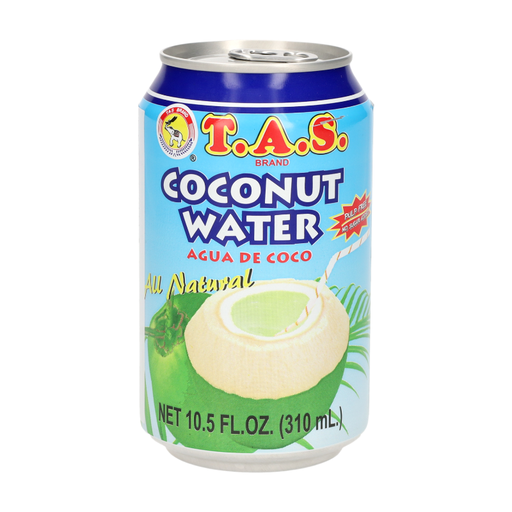
Why this suits this profile: Its small size lets you try this tropical drink without committing to a large volume straight away.
The product sheet states 100% coconut water, with no added sugar or pulp.
310 ml, 18 kcal and 1.6 g of sugars per 100 ml according to the nutritional information provided.
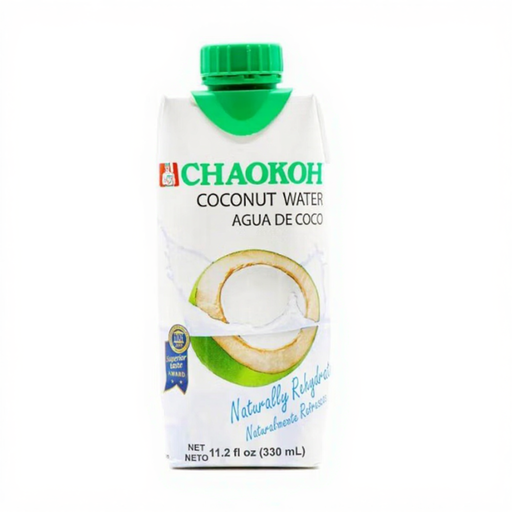
Why this suits this profile: This individual size focuses on a short ingredients list and a pure coconut taste with nothing else added.
The listed ingredients mention only coconut water, with no concentrate or added sugar.
20 kcal and 0 g of fat per 100 ml according to the nutrition facts.
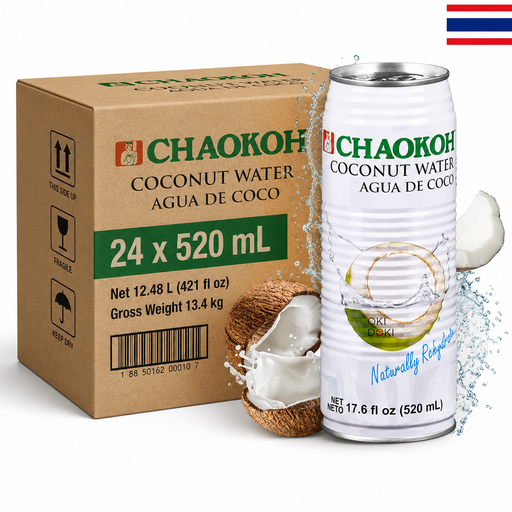
Why this suits this profile: With 24 bottles, this pack is ideal for clubs, offices, events and bulk buying.
The product sheet states 100% coconut water, with no added sugar or preservatives.
24 bottles of 520 ml, easy to store and serve individually.
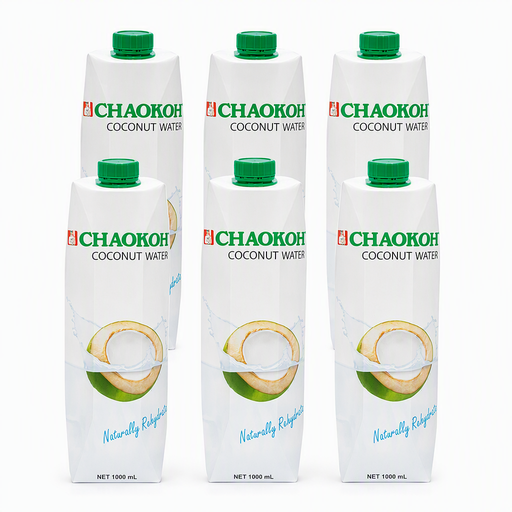
Why this suits this profile: The one-litre cartons are easy to share and can also be used as a base for tropical drinks or recipes.
The stated ingredients are limited to 100% coconut water, with no added sugars or artificial additives.
Six 1-litre cartons, with 20 kcal and 4.2 g of sugars per 100 ml according to the product sheet.
We’ve put together a comprehensive, real-time selection of products that meet these exacting criteria as well as European safety standards.
Yes, it can be enjoyed after physical activity as a refreshing recovery drink. However, take the time to compare its ingredients, volume and sugar content. After a long or particularly intense workout, your nutritional needs may call for products specifically designed for sport.
The shelf life depends on the product. Product sheets generally recommend placing the drink in the fridge and consuming it within two to three days of opening. Always check the instructions on the packaging, especially for 1-litre formats.
Some products contain between 18 and 23 kcal per 100 ml. Drinks with added sugar, pulp or other ingredients can be higher in calories. To compare products, rely on the nutrition table rather than just the word “natural”.