
Livraison le jour même ou le lendemain

Qualité garantie

Débloquez vos offres de bienvenue: Livraison GRATUITE | Jusqu'à -80 % | 30 jours d'essai gratuits à JoyPlus
Téléchargez l'application
Refreshing and naturally exotic, coconut water isn't always as straightforward as it seems. With products sold as "coconut water", "coconut juice" or "coconut drink", the recipes can vary enormously. Added sugar, pulp, concentrate, flavourings or awkward packaging – a bottle grabbed in a hurry can quickly disappoint.
Before you head to the checkout, whether for a bottle, a can or a multipack, there are three pitfalls to avoid:
Start by looking at the ingredients list. A coconut water with no added sugars should typically have a very short composition, such as "coconut water" or "100% coconut water". The presence of cane sugar, syrup, fruit juice or pulp inevitably changes the drink's profile.
Some products contain around 98.5% coconut water, topped up with a small amount of cane sugar. These may appeal to those who prefer a milder flavour, but they shouldn't be mistaken for a coconut water with no added sugar.
The nutritional information panel lets you compare products on a consistent basis. Look for the "of which sugars" line, then relate that value to the amount you actually drink.
The products available show sometimes significant differences:
Coconut waters rich in electrolytes are often marketed as suitable for sport. However, this marketing claim doesn't mean you can skip checking the nutritional values. For drinking during or after exercise, also consider the volume, taste and how easy it is to carry.
The right container mainly depends on how often you drink it:
Once opened, most products need to be refrigerated and consumed quickly. The exact time depends on the product – always check the label. A bulging can or damaged packaging should not be consumed.
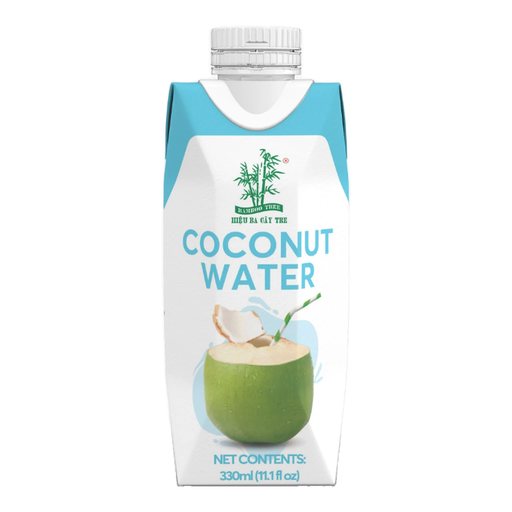
Why this suits this profile: At 330 ml, this individual format lets you try the drink without committing to a large quantity. The recipe states 98.5% coconut water and contains sugar.
The coconut percentage is clearly stated. The presence of cane sugar makes it clear this isn't a coconut water with no added sugars.
330 ml format, 19 kcal and 4 g of sugars per 100 ml according to the information provided.
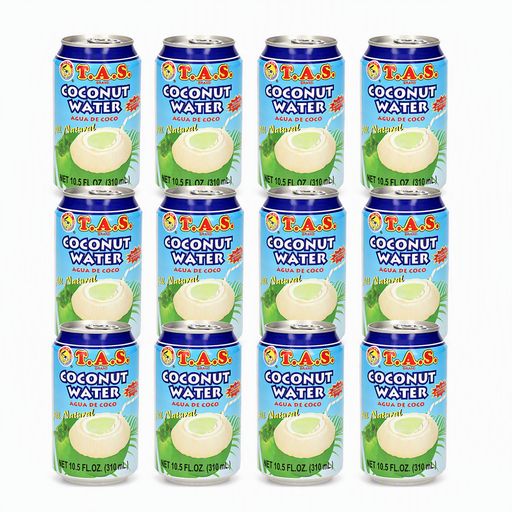
Why this suits this profile: This product focuses on a recipe stated as 100% coconut water, with no pulp or added sugar, in an individual format.
The short ingredients list reduces the risk of buying a sweetened juice presented as plain coconut water.
310 ml, 18 kcal and 1.6 g of sugars per 100 ml according to the product sheet provided.
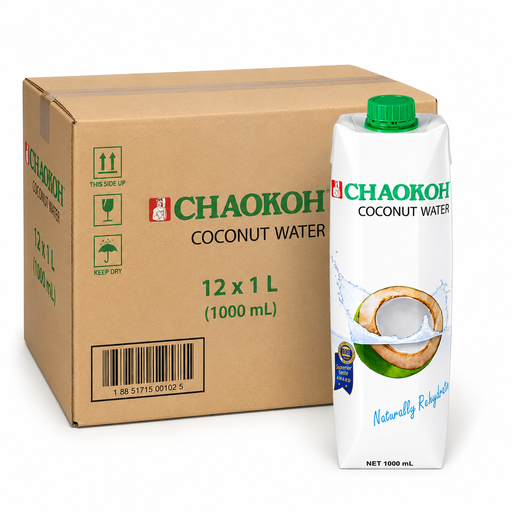
Why this suits this profile: With 12 one-litre bottles, this pack is aimed at offices, large families and regular purchases.
The bulk format means you don't have to reorder too often. The product sheet also states a 100% coconut water composition with no added sugar.
12 bottles of 1 l, 20 kcal and 4.2 g of sugars per 100 ml according to the available data.
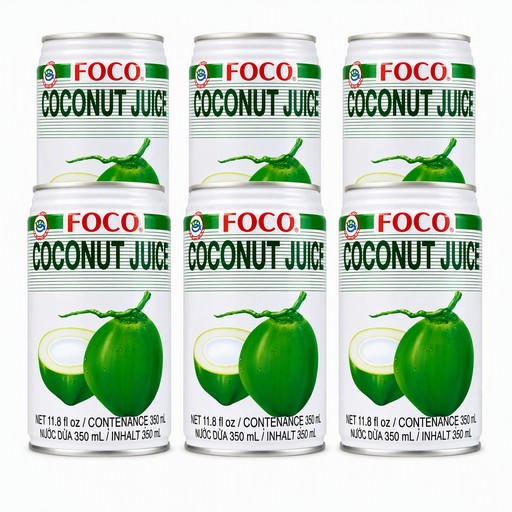
Why this suits this profile: With its young coconut juice and pulp, this drink is aimed at those who enjoy a fuller texture and a sweet flavour.
The name and composition clearly state a drink made from 80% young coconut juice, water, sugar and pulp.
Pack of 6, 350 ml format and coconut pulp for a more substantial drink.
We've put together a comprehensive, real-time selection of products that meet these exacting standards and European safety regulations.
Yes. Coconut water naturally contains sugars, the amount of which varies depending on the origin and recipe. To find out whether sugar has been added, check the ingredients list: "cane sugar" or "sugar" should appear there if it has.
A 250–350 ml format is enough for occasional drinking. If several people are having it, 1 l bottles are more practical, provided you can keep them in the fridge after opening and stick to the time stated on the packaging.
It can be pleasant and refreshing after physical activity, especially if its taste and format suit your habits. However, needs vary depending on the intensity and duration of the exercise, as well as the temperature. Look at the composition, sugar content and volume rather than relying solely on claims like "hydrating drink" or "rich in electrolytes".