
Livraison le jour même ou le lendemain

Qualité garantie

Débloquez vos offres de bienvenue: Livraison GRATUITE | Jusqu'à -80 % | 30 jours d'essai gratuits à JoyPlus
Téléchargez l'application
Coconut water is popular for its mild taste, refreshing quality and handy formats. It’s a great choice for a hot day, after a workout or with a family meal. However, not all drinks sold as 100% natural coconut water are the same.
The difference often comes down to the ingredients, the actual percentage of coconut, the format and how the drink should be stored after opening. Here are the common pitfalls to watch out for before you buy, along with a selection to suit different shoppers in France.
Pure coconut water has a very short ingredients list, usually just “coconut water”. Other products contain water, coconut concentrate, sugar, flavourings or pulp.
A drink can taste good without being coconut water with no added sugar. To tell the difference, always check:
The word “natural” doesn’t necessarily mean “no added sugar” or “organic”. If you’re looking for organic coconut water, check for organic certification and the relevant logo on the packaging.
Coconut water naturally contains minerals, including potassium. However, its composition varies depending on the recipe and manufacturing process. So a drink described as coconut water rich in electrolytes won’t necessarily meet the needs of a specific sporting activity.
For a fair comparison, check the nutrition table for energy, carbohydrates, sugars and salt. This information helps you distinguish pure coconut water from a sweetened or flavoured drink.
A 1 l carton of coconut water is a good choice for home, the office or sharing. After opening, however, it will generally need to be stored in the fridge. A 310 ml can or an individual 330 ml carton is easier to carry and helps reduce waste if you only want one serving.
For families, gyms or food service businesses, a multipack of coconut water can reduce the need to restock. Still, remember to check the best-before date, total volume and the amount of storage space you’ll need.
For a simple recipe, look for a product that contains only coconut water. The Grace, CHAOKOH, PSP and T.A.S. products featured below state that they contain 100% coconut water. Vita Coco, meanwhile, lists 99% coconut water and vitamin C in some products, while Bamboo Tree contains 98.5% coconut water and cane sugar.
This difference matters if you’re looking for a hydrating drink with a less sweet taste, or a sweeter option. Drinks with pulp may also contain sugar and more carbohydrates.
The nutrition table is the best way to compare products. Per 100 ml, the products in this selection generally contain between 13 and 25 kcal, with varying amounts of sugar. Pure coconut water naturally contains sugars, so “100% coconut” doesn’t mean “sugar-free”.
Compare products on the same 100 ml basis, then consider how much you’ll actually drink. A one-litre carton isn’t a single serving. If you drink it regularly, a 330 ml or 500 ml format can help you keep track of how much you’re having.
Before opening, cartons and cans can generally be stored in a cool, dry place, following the manufacturer’s instructions. Once opened, they’ll usually need to go in the fridge.
Storage times vary by product: some product details recommend drinking it within two to three days, while others allow up to five or seven days. Always follow the instructions printed on the packaging. Don’t drink from a carton that’s swollen or damaged, or consume a product if its smell or appearance seems unusual.
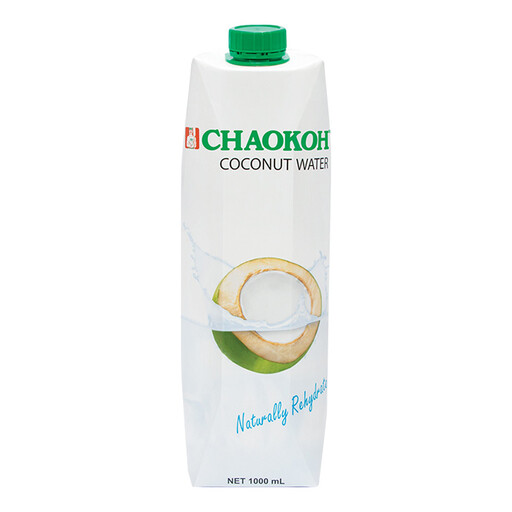
Why it suits this type of shopper: Its one-litre format is ideal for trying coconut water at home for the first time, with a stated composition of 100% coconut water.
The product details state that it contains no added sugars, preservatives or artificial additives. The nutrition table shows 20 kcal and 4.2 g of sugars per 100 ml.
A 1 l carton, no declared allergens and refrigeration required after opening.
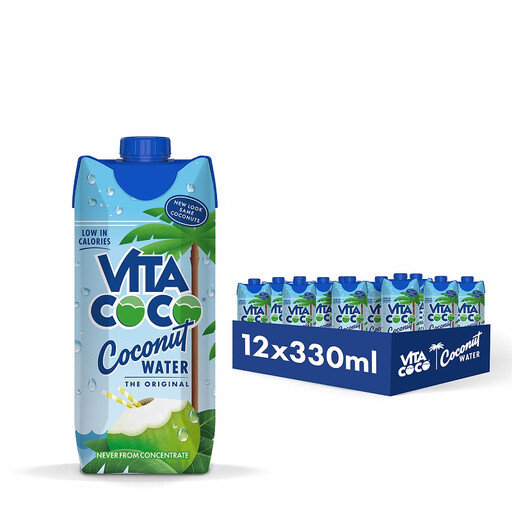
Why it suits this type of shopper: The individual 330 ml cartons are handy to enjoy chilled after exercise or while you’re out and about.
The individual cartons help avoid leftovers after opening. The product details list 99 % coconut water and vitamin C, and recommend drinking within 72 hours of opening.
A pack of 12 cartons, a stated 18 kcal per serving and a format that slips easily into a bag.
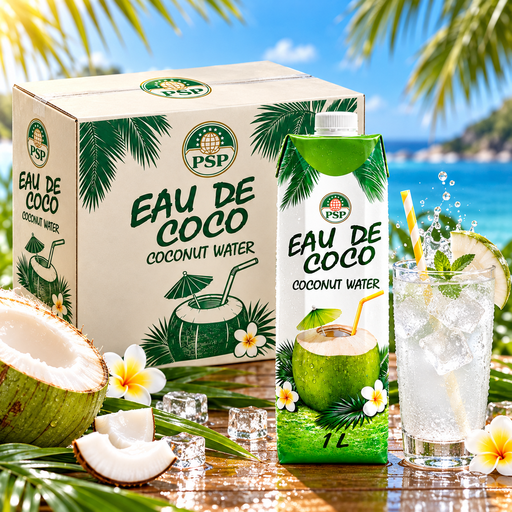
Why it suits this type of shopper: The case of 12 one-litre cartons is suited to large families, offices, food service businesses and regular consumers.
The product details state that it contains 100 % coconut water, with no artificial colourings or preservatives. The total volume is clearly shown: 12 l.
A generous supply, individual one-litre cartons and a stated 21 kcal per 100 ml.
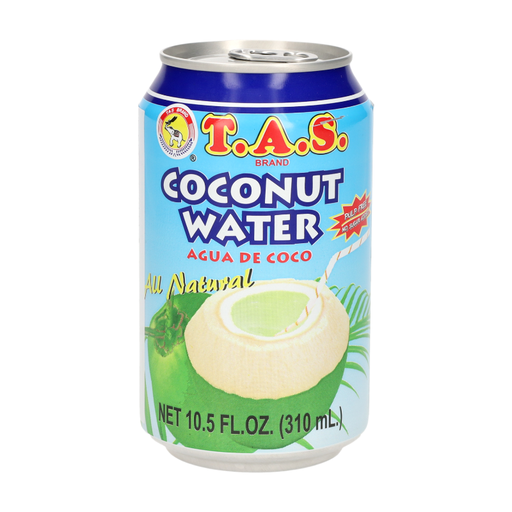
Why it suits this type of shopper: The 310 ml can is just right for a break at work, a journey or a drink straight after exercise.
The product details state that it contains 100 % coconut water, with no added sugar or pulp. This format means you don’t need to open a large container for a single serving.
310 ml, 18 kcal and 1.6 g of sugars per 100 ml, according to the information provided.
We’ve put together a comprehensive selection, updated in real time, of products that meet these exacting criteria and European safety regulations.
You can enjoy it after a workout as a refreshing drink, thanks in part to its natural water and mineral content. However, check the sugar content and how much you drink in relation to your activity. If you’ve exercised for a long time or have a specific concern, ask a health professional for advice.
It depends on the brand and packaging. Refrigerate the drink after opening and follow the instructions printed on the packaging. Several products recommend drinking it within two to three days, while others give a storage time of up to five or seven days.
Coconut water comes directly from the liquid inside the nut and can be sold pure. A coconut drink may contain water, concentrate, sugar, pulp or flavourings. Check the ingredients list and coconut content to tell them apart quickly.