
Livraison le jour même ou le lendemain

Qualité garantie

Débloquez vos offres de bienvenue: Livraison GRATUITE | Jusqu'à -80 % | 30 jours d'essai gratuits à JoyPlus
Téléchargez l'application
The craze for coconut shows no signs of slowing down, and store shelves are overflowing with every variation imaginable: water, juice, milk, drinks... Faced with this sea of labels, it's easy to get lost and walk away with the wrong product. Appealing packaging can hide a sugar bomb, and you can quickly find yourself buying coconut milk when you thought you were getting a post-workout hydrator.
As the Head of Product Curation at Joybuy, my mission is to help you decode these labels. Let's review the common pitfalls to avoid and the key criteria to ensure your next coconut drink is a success, not a disappointment.
To avoid these traps, you only need two criteria to assess a product's quality and its suitability for your needs.
Your first reflex: inspect the composition. True, pure coconut water should contain only one ingredient: "100% Coconut Water."
Defining your need is the first step.
To help you make your choice, here are a few products that perfectly meet the criteria we've just discussed, each for a specific use.
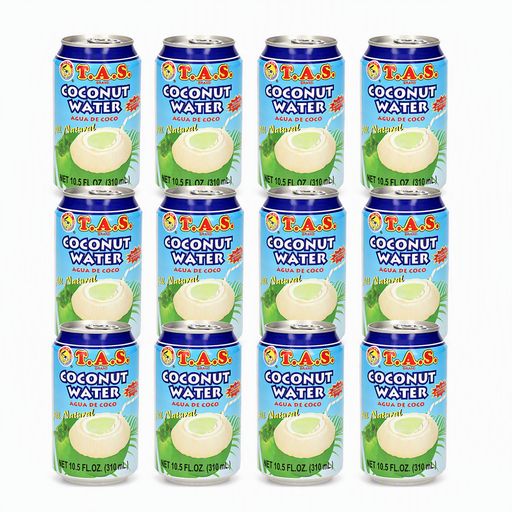
Why we recommend it: Perfect for athletes or anyone looking for healthy, no-frills hydration. The multipack format is convenient for always having some on hand, whether for after a workout or during hot weather.
The ingredient list is crystal clear: "Coconut Water (100%)." There's no doubt: no added sugars or artificial flavours.
A 100% pure composition, with no pulp or added sugar, for an authentic taste and optimal hydration thanks to its natural electrolytes.
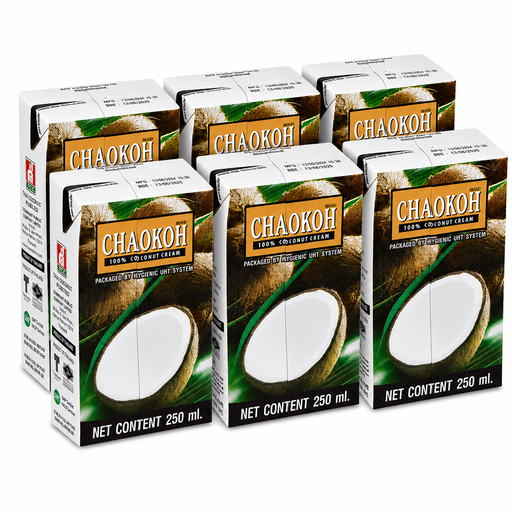
Why we recommend it: The perfect partner for world cuisine lovers who want to capture the authentic taste of Asian dishes. Its high fat content guarantees a rich, creamy sauce for curries and soups.
This product is unambiguously a "coconut milk" for cooking. It avoids the trap of misuse by clearly stating its 18% fat content, a clear signal of its culinary purpose.
Its richness and creaminess, guaranteed by the 70% coconut extract and 18% fat content. It's the secret to perfecting many recipes.
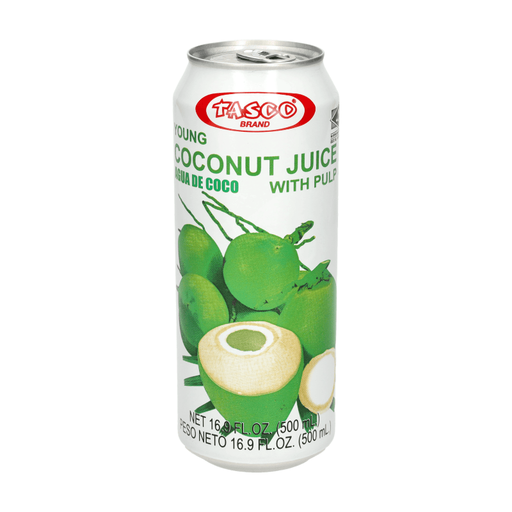
Why we recommend it: For those who want a refreshing drink with a satisfying chew and an unapologetically sweet taste. The young coconut pulp offers a more indulgent experience than classic coconut water.
The "Coconut Juice with Pulp" label and the ingredient list (young coconut juice, water, sugar, pulp) are completely transparent. The product doesn't pretend to be pure coconut water, which prevents any confusion.
A pleasure-focused drink that combines the taste of coconut with a pleasant texture from the pulp. Perfect for an exotic, thirst-quenching break.
We have curated a full range of products that meet these quality criteria and comply with current regulations.
Coconut water is too thin and low in fat to be used in slow-cooked dishes like curry; it won't provide the expected body and creaminess. Coconut milk, rich in coconut extract and fat, is designed specifically for this purpose. It adds body, richness, and binds the flavours together.
Whether it's water, juice, or milk, once the package (carton or can) is opened, the drink must be stored in the refrigerator. It is advisable to consume it within 2 to 3 days to ensure its freshness and prevent the taste from deteriorating. In any case, rely on the storage instructions provided on the packaging.
Yes, coconut water naturally contains sugar, just like most fruit juices. 100% pure coconut water typically has between 3 and 5 grams of sugar per 100 ml. This is why it's crucial to check the ingredient list to ensure no sugar has been added, which would unnecessarily increase the drink's calorie count.