
Livraison le jour même ou le lendemain

Qualité garantie

Débloquez vos offres de bienvenue: Livraison GRATUITE | Jusqu'à -80 % | 30 jours d'essai gratuits à JoyPlus
Téléchargez l'application
A superstar among healthy drinks, coconut water has become the go-to alternative to sugary sodas. But with ever-expanding store shelves, making the right choice can be a real challenge. Between claims like “?100?% pure?,” “?coconut juice?,” or “?no added sugar?,” labels can be confusing, and disappointment is common.
Our editorial team has scrutinized the marketing traps to help you see things more clearly. Follow our guide to find the coconut water that’s perfect for you.
Deciphering coconut water labels isn't always straightforward. Many brands use wordplay and misleading marketing. Here are three things to check to ensure you always make the right choice.
You don't need to be an expert to make the right choice. Just keep a few simple criteria in mind. They'll help you find the product that fits your tastes and lifestyle in no time.
The ingredients list is your best friend.
This is a matter of taste, but it completely changes the drinking experience.
The packaging should fit your lifestyle.
To better illustrate these differences, here is our selection of products that meet specific needs.
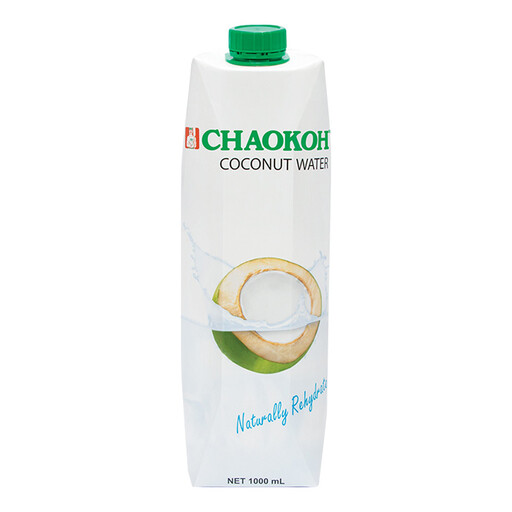
Why we love it : Perfect for daily use (in smoothies, for morning hydration), this coconut water gets straight to the point. Its 1 L format is both practical and economical for regular consumption.
Its ingredient list is crystal clear: “ coconut water (100 %) .” There's no room for confusion: it's a pure coconut water, not from concentrate and with no added sugar.
Natural and authentic taste, with no additives. The sugar content (4.2 g/100 ml) comes entirely from the fruit.
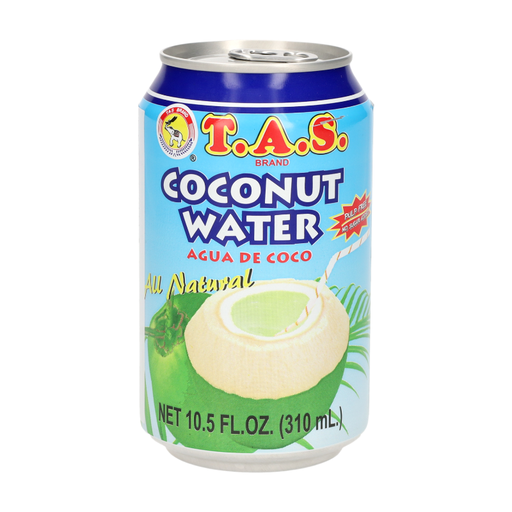
Why we love it : Ideal for rehydrating after a workout. The 310 ml can format is sturdy, easy to carry, and chills quickly. Its 100 % natural composition makes it an excellent recovery drink.
This product is also 100 % coconut water, with no pulp or added sugar. Its sugar content is particularly low (1.6 g/100 ml), making it a top choice for those watching their intake.
A very practical single-serving format and a minimalist composition for effective, natural hydration.
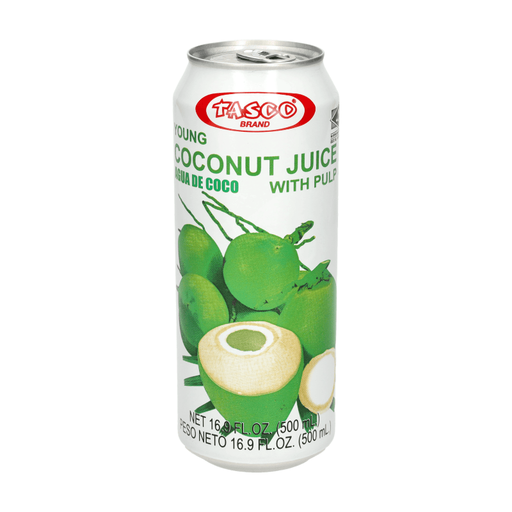
Why we love it : For those primarily seeking a pleasure drink. With its pulp and subtly sweet taste, it's an exotic and indulgent beverage, perfect for a break or as a cocktail base.
This product proudly identifies as a coconut juice. The label is clear: it contains juice, water, sugar, and pulp. It doesn't try to be something it's not, thus avoiding any disappointment.
A textured and flavourful experience thanks to the coconut pieces, for a richer tasting experience than plain water.
We have selected a full range of products that meet our standards for quality and transparency.
To put it simply, coconut water is the liquid naturally found in young green coconuts. It is typically translucent, light, and not very sweet. Coconut juice, on the other hand, is a processed beverage that may contain coconut water, but also water, sugar, pulp, and flavourings. Read the label carefully to know what you're drinking!
Before opening, most coconut water in cartons or cans can be stored at room temperature in a cool, dry place away from light. Once opened, it must be kept in the refrigerator and consumed quickly, usually within two to three days, to maintain its freshness.
Coconut water contains natural electrolytes, particularly potassium, which help maintain proper hydration. This makes it an excellent option for rehydrating during and after moderate exercise. For very long or intense workouts, where sodium and carbohydrate needs are higher, a dedicated isotonic drink remains a more suitable choice.