
Same-day & Next-day Delivery

Quality Guaranteed

Unlock Your Welcome Offers: FREE Delivery | Up to 80% OFF | Free 30-day JoyPlus trial
Download the APP
Coconut water has become the go-to drink for anyone seeking a healthy alternative to sodas and processed juices. But behind the tropical packaging and promises of hydration, the coconut beverage aisle can be overwhelming. Between marketing jargon and endless ingredient lists, it's easy to make a mistake.
As Head of Product Recommendations at Joybuy, my mission is to help you see things more clearly. Together, we'll break down the pitfalls to avoid and the essential criteria for choosing a coconut water or milk that truly delivers on its promises.
To make the right choice, you first need to learn to read between the lines on the labels.
To make the perfect choice every time, keep these three key points in mind before adding a product to your cart.
This is THE number one criterion. A careful read of the label will always tell you more than any marketing slogan.
Some love the chewiness and more intense flavour of coconut juice with pulp, while others swear by a perfectly smooth drink. Products with pulp are often labelled "with bits" or "with pulp". It's purely a matter of taste, but it's best to check the label to avoid any surprises on your first sip.
The packaging should suit your habits.
To guide you, here are a few products that check all the boxes, depending on your needs.
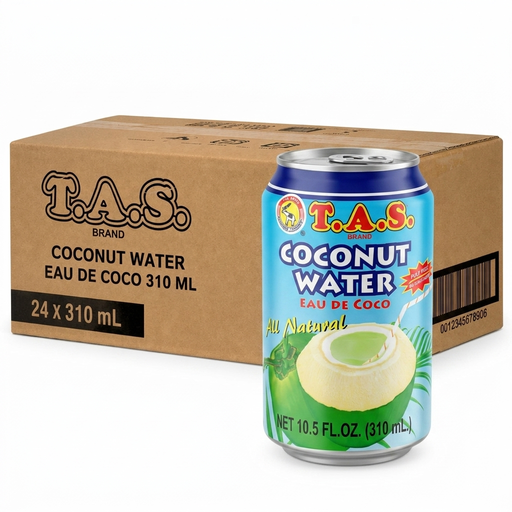
Why it's a great match: Ideal for healthy rehydration after a workout. The 24-can case format is perfect for stocking up and always having one chilled and ready.
The ingredient list is crystal clear: 100% coconut water. Zero added sugar, zero preservatives. It perfectly avoids the "fake pure" trap.
Natural hydration without unnecessary calories (18 kcal/100 ml). Ultra-convenient can format and economical as a case.
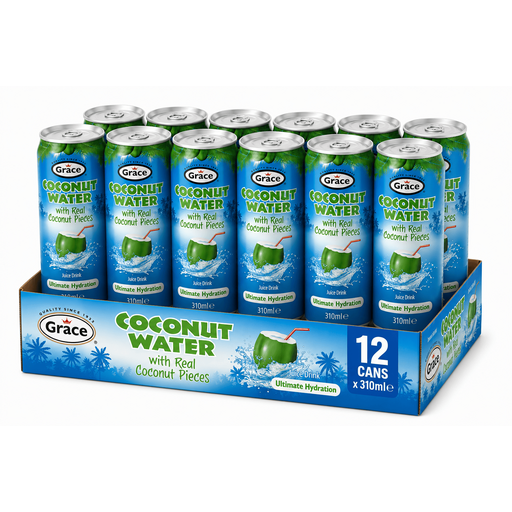
Why it's a great match: For anyone who thinks coconut water is better with bits. This drink offers a more satisfying, textured experience, reminiscent of drinking straight from the coconut.
The product name says it all: "with pulp". It directly addresses the texture question, preventing any disappointment for fans of coconut juice with pulp.
Contains 2% young coconut pulp for a pleasant chew. Its touch of sweetness gives it a smooth, balanced flavour.
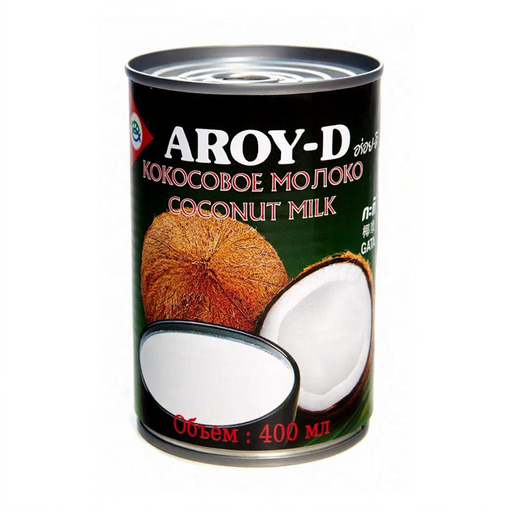
Why it's a great match: This is the ingredient of choice for anyone who takes Asian cooking seriously. Its high fat content guarantees perfect creaminess for curries, soups, and desserts.
There's no doubt here: this is coconut milk, not water. It's impossible to confuse a drink with a cooking ingredient. The composition is minimalist: coconut extract and water, with no unnecessary additives.
A high fat content (19%) for a rich and creamy texture. The absence of stabilisers and additives ensures an authentic taste.
We have curated a complete range of products that meet these quality criteria and current regulations.
The only reliable method: scan the ingredient list on the packaging. If it only lists "coconut water" or "100% coconut water," the product is pure. The presence of terms like "sugar," "water," "flavourings," or codes (e.g., E223) indicates that other elements have been added.
Yes, but its role is not the same as coconut milk. Coconut water can be used to poach fish, as a base for light broths and marinades, or to thin out a smoothie. However, to achieve the creamy texture typical of a Thai curry or Tom Kha soup, the much fattier coconut milk is essential.
Once opened, a carton or can of coconut water must be stored in the refrigerator. It is recommended to consume it within 2 to 3 days. Beyond that, its taste may change, and it could ferment due to its natural sugars. The best advice is always to follow the storage instructions on the packaging.