
Livraison le jour même ou le lendemain

Qualité garantie

Débloquez vos offres de bienvenue: Livraison GRATUITE | Jusqu'à -80 % | 30 jours d'essai gratuits à JoyPlus
Téléchargez l'application
Coconut water has established itself as the refreshing and healthy alternative to industrial sodas and juices. Valued for its subtle taste and hydrating properties, it appeals to athletes and fans of natural drinks alike. The problem: supermarket shelves are overflowing with products that often have misleading labels. Knowing how to decipher them has become crucial to making an informed choice and avoiding paying a premium for what is essentially sugar water.
As a product selection expert at Joybuy, I'm here to help you see things more clearly. Let's break down the most common traps and the criteria to look for to choose a coconut water that truly delivers on its promises.
Marketing around "wellness" drinks can be confusing. Many brands ride the wave of coconut water's image without possessing its true qualities.
To be sure of your drink's quality, scrutinise these three key points before you buy.
The ingredient list should be as short as possible. The ideal? A single ingredient: "100% coconut water".
The main benefit of coconut water is its hydrating power, which it owes to its natural electrolytes (potassium, magnesium, sodium). It is often described as a natural isotonic drink.
The packaging has a direct impact on the product's convenience and freshness.
Once opened, regardless of the format, your coconut water should be kept in the refrigerator and consumed within 3 to 5 days.
To illustrate these criteria in practice, here are a few products that meet different needs and preferences.
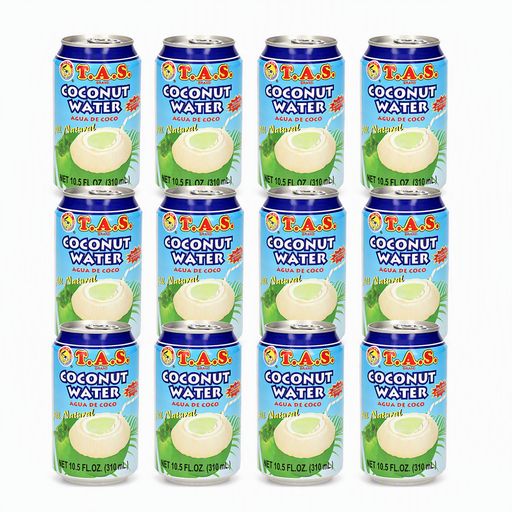
Why we chose it: Ideal for athletes or anyone looking for 100% natural hydration with zero compromises. Its can format is perfect for rehydrating right after a workout.
Its ingredient list is refreshingly simple: 100% coconut water. Zero added sugar, zero fruit juice, zero flavourings. The guarantee of an authentic drink.
With only 1.6g of natural sugars per 100ml, it's one of the least sweet options on the market. Perfect for pure and simple hydration.
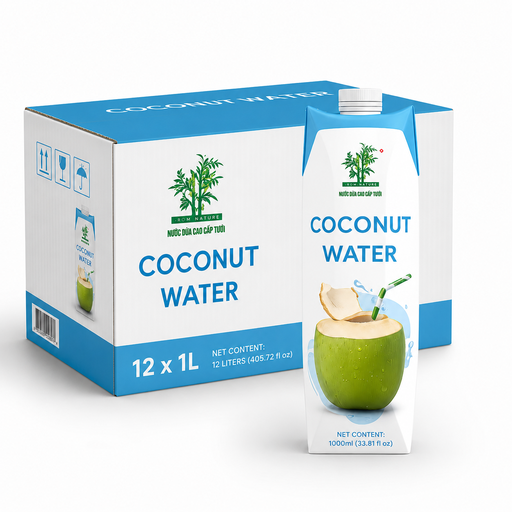
Why we chose it: An economical format perfect for regular consumption or for the whole family. Ideal in smoothies, at breakfast, or simply to always have a carton on hand at home.
The ingredients are transparent: 98.5% coconut water and a hint of cane sugar. The brand doesn't try to hide this addition behind flavourings or concentrated juices.
The 12-pack of 1L cartons offers excellent value for money, making it a very smart choice for daily use.
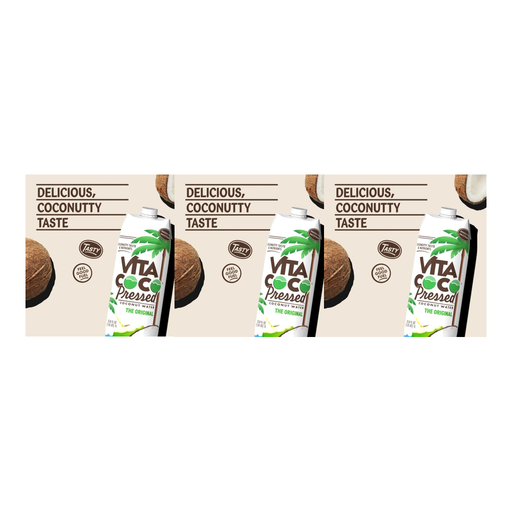
Why we chose it: For anyone who finds classic coconut water a bit too subtle. The addition of coconut cream gives it a smoother texture and a bolder taste, without being overly sugary.
This drink doesn't hide what it is. It contains 97% coconut water and 3% coconut cream. The experience is different, more indulgent, but still centred on a high-quality product.
Its velvety texture and richer taste make it a perfect base for smoothies, but it's also great on its own. It's the indulgent alternative to 100% pure coconut water.
We've put together a complete selection of products that all meet our quality criteria.
1. Is coconut water really a better choice than a sports drink?
For everyday hydration or after moderate exercise, coconut water is an excellent choice. As a natural isotonic drink, it provides electrolytes (like potassium) with far less sugar and without the artificial colours or flavours found in many commercial sports drinks. For very intense and prolonged exertion, however, a specifically formulated sports drink will be more suitable for replenishing energy and mineral losses.
2. Can you drink coconut water every day?
Yes, coconut water can be part of a balanced diet and consumed daily, but in moderation. It is low in calories but does contain natural sugars. It is therefore advisable to choose a no-added-sugar coconut water and to view it as a treat or recovery drink, rather than a substitute for plain water.
3. What's the difference between coconut water and coconut milk?
They are two radically different products. Coconut water is the clear, translucent liquid found inside young, green coconuts. Composed of 95% water, it is very low in fat. Coconut milk, on the other hand, is a preparation made by pressing the grated white pulp of a mature coconut with water. It is much richer, creamier, and higher in fat, and is mainly used in cooking.