
Livraison le jour même ou le lendemain

Qualité garantie

Débloquez vos offres de bienvenue: Livraison GRATUITE | Jusqu'à -80 % | 30 jours d'essai gratuits à JoyPlus
Téléchargez l'application
Coconut products serve a wide range of purposes: cooking, baking, hair care, body hydration and even snacks inspired by Asian cuisine. This variety can quickly make choosing difficult. A virgin oil isn't selected the same way as a refined oil, and a coconut shampoo shouldn't be judged by the same criteria as a coconut cream destined for a sauce.
Before you fill your basket, take the time to check three elements that are often pushed aside by marketing: the exact nature of the product, its ingredient list and its format. Here is a simple method for comparing the options available in France in 2026.
Virgin coconut oil is generally appealing for its more pronounced taste and fragrance. It can also solidify at room temperature, particularly below 24°C for some products. A refined, bleached and deodorised coconut oil, on the other hand, has a much more neutral profile.
The right choice therefore depends on the use:
The presence of coconut doesn't mean the product is made solely from that ingredient. A shampoo can contain coconut oil, cleansing agents, fragrance and preservatives. A coconut body lotion can also combine glycerine, oils, silicones and fragrance.
For coconut beauty products, check in particular:
A small 180 ml bottle is suitable for a first try, a small kitchen or mixed use. A 450 or 500 ml format becomes more interesting for regular use, provided you can store it in good conditions.
Food and frozen products also require a minimum of care: respect the stated temperature, the best-before date and the instructions after opening. For snacks, check the allergens before buying, particularly the presence of peanuts, milk, soya, gluten or tree nuts.
An oil made from 100% coconut oil makes it easier to compare different options. The nutritional information may show a very concentrated fat, with no carbohydrates or protein. That doesn't turn the product into something you can consume without moderation: use it as a fat, according to your dietary habits.
To decide between several options, compare:
Coconut cream is thicker and more concentrated than coconut milk. It works well for sauces, curries, desserts and cocktails. Look at the stated fat content, but also the stabilisers used. A dense texture can be ideal for a sauce, while a thinner preparation will be easier to incorporate.
After opening, follow the manufacturer's instructions and place the product in the fridge if the packaging recommends it.
A coconut shampoo can suit wavy or curly hair, but the mere presence of coconut doesn't predict the result. Examine the cleansing agents, the possible presence of sulphates and silicones, the stated pH and the brand's recommendations.
A coconut hair mask is generally applied after shampooing, on clean, damp hair, for a few minutes. If your scalp is sensitive, pay particular attention to the fragrance and listed allergens. If irritation occurs, stop using it and rinse thoroughly.
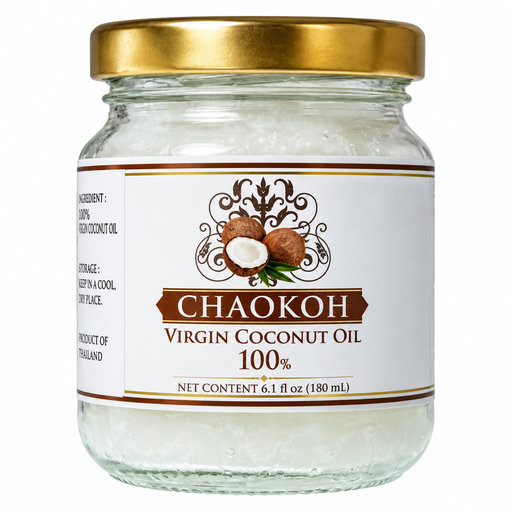
Why this choice: its small format lets you discover a virgin coconut oil for cooking or certain external cosmetic uses, without starting straight away with a large bottle.
The composition states 100% virgin coconut oil and the 180 ml volume is clearly specified.
A compact bottle, with no declared allergens, and 0 g carbohydrates and 0 g salt per 100 ml according to the provided information.
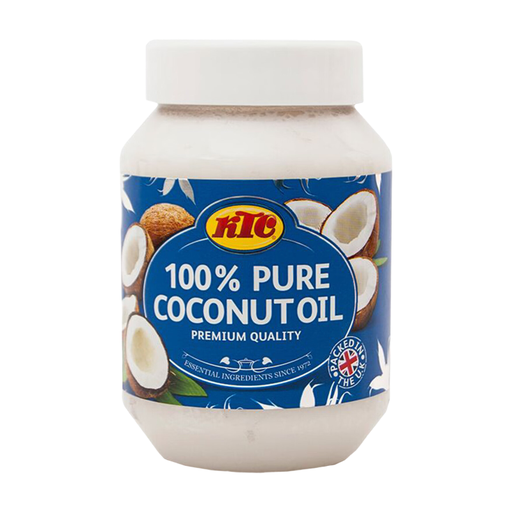
Why this choice: its format suits households that regularly use coconut oil for frying, sautéing or baking cakes.
The information states it is a refined, bleached and deodorised oil: so don't choose it if you're looking for a strong coconut fragrance.
A 500 ml volume and a composition stated as pure coconut oil.
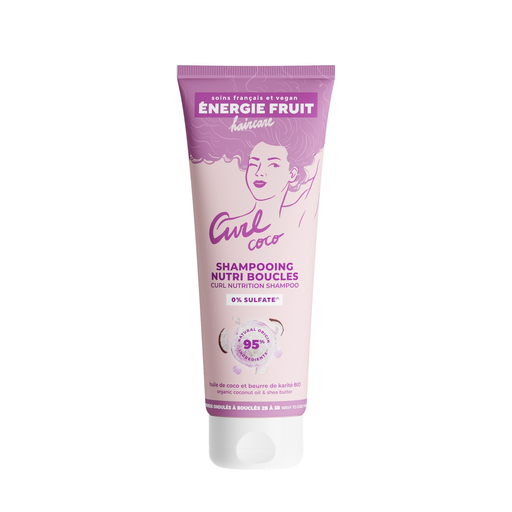
Why this choice: the formula is designed for wavy to curly hair and combines organic coconut oil and shea butter.
The information states a formula without sulphates or silicones and details the ingredients, rather than just making a general promise.
A 250 ml capacity, a stated neutral pH and external use with rinsing.
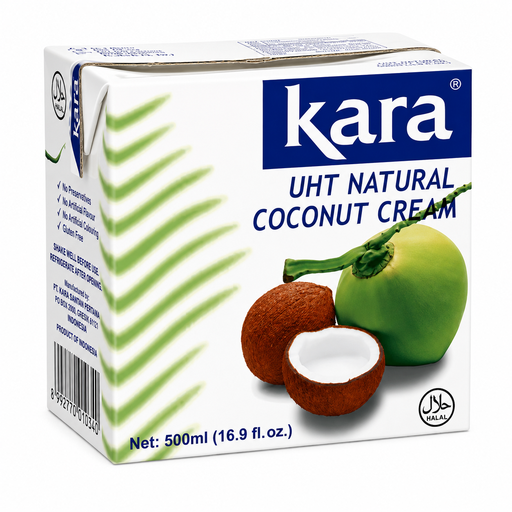
Why this choice: this thick coconut cream is designed for culinary preparations and drinks, with a practical format for making several recipes.
The 24% fat content is clearly stated, which lets you anticipate a richer texture than that of coconut milk.
UHT treatment, aseptic packaging and an ingredient list comprising 99.9% coconut cream, with stabilisers.
Coconut snacks and Asian coconut desserts fit easily into a treat break or a meal inspired by Asian cuisine. Buenos Dias crispy sticks contain a coconut cream filling and can be eaten straight away. Royal Family mochi combine a glutinous rice dough with a creamy coconut-flavoured filling.
Always compare the amount of sugar, the portion size and the allergens. Mochi, for example, state the presence of soya and may contain peanuts, milk, tree nuts or sesame. Koh-Kae peanuts with coconut cream, meanwhile, contain peanuts and gluten.
Find a regularly updated selection of products suited to different uses, formats and composition criteria.
It can be used in cooking in accordance with the instructions on the packaging. However, check the temperature recommended by the manufacturer and opt for a refined oil if you prefer a more neutral flavour. The nutritional information alone doesn't determine the cooking temperature of an oil.
Store it at room temperature, in a dry, cool place away from light, following the instructions on the label. Solidification below around 24°C can be perfectly normal for some virgin oils. To liquefy it, warm it gently, without taking it to an excessive temperature.
Tolerance depends on the formula and the individual. Read the INCI list, paying particular attention to fragrance and fragrance allergens, then avoid any contact with the eyes. If discomfort or irritation occurs, rinse thoroughly and stop using the product.