Parents of a child under one
If you’re looking for a coconut-based option, start by considering its role in your child’s diet: according to Anses, a standard plant-based drink cannot replace breast milk or infant formula.


Before the age of one, a standard coconut drink should not replace breast milk or infant formula, as Anses points out. For an older child, first consider how you plan to use it: compare a drink by its ingredients and nutritional information, while culinary coconut milk is intended for recipes. If a food needs to be excluded, check the exact product variant in line with the advice of the healthcare professional looking after your child.
If you’re looking for a coconut-based option, start by considering its role in your child’s diet: according to Anses, a standard plant-based drink cannot replace breast milk or infant formula.
For a diagnosed allergy, Assurance Maladie recommends carefully reading labels as part of the exclusion diet set out for the child. Check the ingredients and any precautionary statements on each variant you buy.
For a drink offered after the age of one, check the sugar and protein content per 100 ml, any added calcium and the storage instructions. These details alone don’t tell you whether the drink can take the place of the milk usually given to your child.
First, check your child’s age and what you intend to use the product for. Then distinguish between a drink and coconut milk intended for cooking before comparing their labels.
| Criterion | What to check | Who this matters to |
|---|---|---|
| Age and intended use | Check your child’s age and whether the product would be used as an ingredient, a drink or a milk substitute. | If my child is under one, I don’t want to mistake a standard coconut drink for the milk they need; around 36% of consumers put this distinction first. |
| Food exclusion | Read the ingredients, highlighted allergens and precautionary statements for the exact variant. | When my child is following an exclusion diet agreed with a doctor, a ‘lactose-free’ label isn’t enough to establish that the product is suitable; this compatibility is a top priority for around 29% of consumers. |
| Drink composition | Compare the sugar and protein content per 100 ml, as well as whether calcium has been added and in what quantity. | If I’m looking for a coconut drink with little or no declared sugar, I also want to understand what its other ingredients provide; this composition is the top criterion for around 21% of consumers. |
| Cooking | Check the product description and compare the fat content per 100 ml before using it in a recipe. | If I’m making a coconut-based breakfast rather than serving a glass of drink, I choose an ingredient suited to the recipe; around 14% of consumers prioritise this use. |
Before the age of one, standard plant-based drinks are not suitable substitutes for breast milk or infant formula, according to Anses.
If your child is under 12 months, don’t use a standard coconut drink for this purpose. If your child has specific dietary needs, ask their healthcare professional for advice.
This label doesn’t tell you about every ingredient or which allergens need to be avoided. Assurance Maladie reminds consumers that a food exclusion requires careful label reading.
Each time you buy a product, check its ingredients, declared allergens and any precautionary statements in line with the exclusion diet set out for your child.
A drink and culinary coconut milk don’t necessarily have the same composition. For example, product information from Auchan and E.Leclerc lists 1.2 g of fat per 100 ml for Alpro Coco Sans Sucres drink and 18 g per 100 ml for Bio Village culinary coconut milk, respectively.
First check the product description and intended use, then compare nutritional information for products designed for the same purpose.
Auchan’s product information for Alpro Coco Sans Sucres drink lists 0 g of sugar, but also just 0.1 g of protein per 100 ml. Sugar content alone isn’t enough to assess its place in breakfast.
Also check the protein and calcium content and the ingredients list, taking your child’s age and the rest of their diet into account.
Alpro Coco Sans Sucres is an example of a drink. Auchan’s product information states that it has added calcium and vitamins.
Auchan’s coconut and rice drink is an example of a different recipe from a sugar-free coconut drink.
VEGE coconut and rice drink is another product to compare by checking the formulation of the exact variant.
Bio Village shows why it’s important to distinguish between a rice and coconut drink and culinary coconut milk, even within the same range.
These Joybuy products are coconut-based cooking ingredients for recipes, not coconut drinks to serve in a glass. For a toddler’s breakfast, check the intended use, ingredients and any allergen information for the variant you choose.
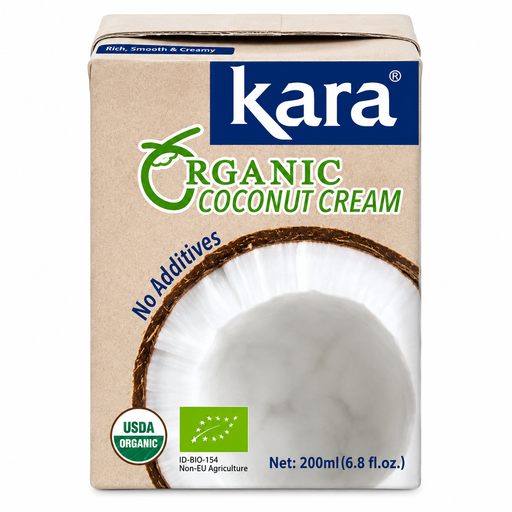 Image unavailable
Coconut cream intended for cooking, rather than serving as a drink.
200 ml pack; the product name states a fat content of 24%. Check the portion you plan to give your child and, if they’re following an exclusion diet, read the label on the variant you buy.
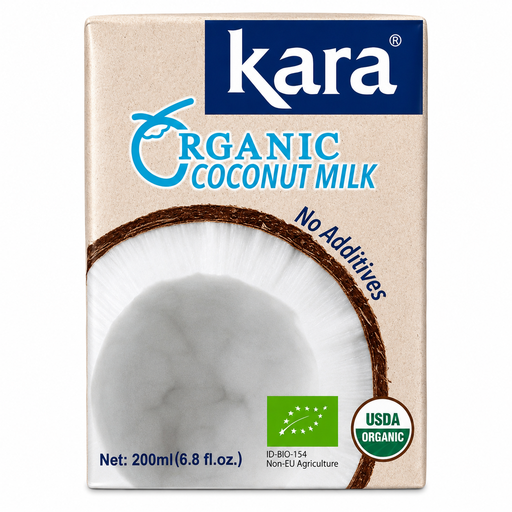 Image unavailable
Coconut milk to use as an ingredient in a breakfast recipe, not as a replacement for the milk given to your child.
200 ml UHT pack; the product name states a fat content of 17%. Check the ingredients and any precautionary statements if your child is following an exclusion diet.
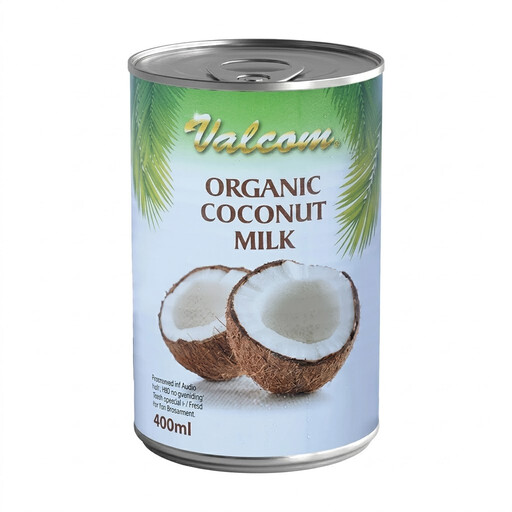 Image unavailable
Coconut milk for cooking, if the quantity required for your recipe makes a 400 ml tin a suitable choice.
Check how much you need before opening the tin. If your child is following an exclusion diet, also check the ingredients and any precautionary statements.
No. According to Anses, standard plant-based drinks aren’t suitable substitutes for breast milk or infant formula before the age of one. If your child has specific dietary needs, ask their healthcare professional for advice rather than choosing a standard drink as a replacement.
No, you shouldn’t assume they’re equivalent. A coconut drink may contain added calcium but have a different composition, including a low protein content. Choose it according to its role in the meal and your child’s needs.
The ‘lactose-free’ label alone isn’t enough to establish that it’s suitable. For a diagnosed allergy, follow the exclusion diet agreed with your doctor and check the ingredients, highlighted allergens and any precautionary statements on the exact product.
Check the product description, ingredients and fat content per 100 ml, rather than relying on the word ‘coconut’ alone. Product information from Auchan and E.Leclerc lists 1.2 g of fat per 100 ml for Alpro Coco Sans Sucres drink, compared with 18 g per 100 ml for Bio Village culinary coconut milk: these products are intended for different uses.
Follow the instructions on the carton you’ve bought. Auchan’s product information for Bjorg Coco Sans Sucres Bio drink says to keep it in the fridge and consume it within four days of opening. Don’t automatically apply this guidance to another drink or to culinary coconut milk.