People cooking without milk over the holidays
You’re planning to make curries, sauces or desserts and are looking for a cooking ingredient, rather than a breakfast drink.


For cooking over the October half-term, choose coconut milk or coconut cream for cooking; for coffee, cereal or drinking, look for a coconut plant-based drink instead. If you need to avoid milk, the word ‘coconut’ alone isn’t enough: check the ingredients and any precautionary statements on the packaging you buy.
You’re planning to make curries, sauces or desserts and are looking for a cooking ingredient, rather than a breakfast drink.
The exact ingredients and any precautionary statements matter when making your choice, particularly if you have a milk protein allergy.
You want a drink for cereal, coffee, tea or smoothies, and may also want to compare the sugar content shown on the packaging.
First, decide whether you’ll use the coconut product for cooking or drinks. Then check the ingredients of the product you’ve chosen and make sure the pack size suits the meals you have planned.
| What to consider | What to check | Who it matters to |
|---|---|---|
| Milk content | Read the ingredients, any listed allergens and any precautionary statements on the packaging you buy. | If I need to avoid milk, the word ‘coconut’ alone isn’t enough to help me choose a product. Around 36% of consumers put this check at the top of their list. |
| Cooking use | Look for the product’s intended cooking use and compare the proportion of coconut with the other ingredients. | For a sauce or dessert, I want an ingredient that’s right for the recipe, rather than a drink to pour into a glass. This cooking result is the priority for around 29% of consumers. |
| Pack size and storage | Compare the net quantity with your planned recipes and read the storage instructions for after opening. | If I’m only planning to make one dish during my stay, I’d rather use the whole pack and avoid leftovers. A practical pack size comes first for around 21% of consumers. |
| Drinks and sugars | Look for the description ‘coconut plant-based drink’ and compare the sugar content in the nutrition information. | For breakfast or coffee, I’m looking for a drink and want to be able to compare its ingredients. Around 14% of consumers prioritise this use. |
A coconut drink for coffee or smoothies isn’t necessarily suitable for the same uses as coconut milk intended for sauces and desserts.
Start with the recipe or occasion, then check the product description and the use stated on the packaging.
The product name is no substitute for checking the ingredients or any statements about possible traces.
Check the packaging every time you buy. If you have a diagnosed allergy, follow the advice of your healthcare professional.
A large pack may leave you with leftovers if you’re only making one recipe over the holidays.
Estimate how much you’ll need and read the storage instructions for after opening before choosing a pack size.
Ingredients can vary between cooking products. For example, Carrefour lists 68% coconut extract for Jardin Bio Etic and 85% for Vietcoco; these figures alone don’t predict how a recipe will turn out.
If texture matters, compare the ingredients of each product and its stated cooking use.
Cooking coconut milk products in smaller packs for holiday recipes.
The brand offers fluid coconut milk for cooking as well as coconut plant-based drinks.
The retailer offers cooking coconut milk under its Carrefour Sensation and Carrefour Bio ranges.
A brand to consider for coconut plant-based drinks, not as a replacement for cooking coconut milk without checking first.
This selection includes coconut ingredients for cooking and an Alpro drink for coffee. Choose according to how you’ll use it, then check the label on the product you buy if avoiding milk is essential.
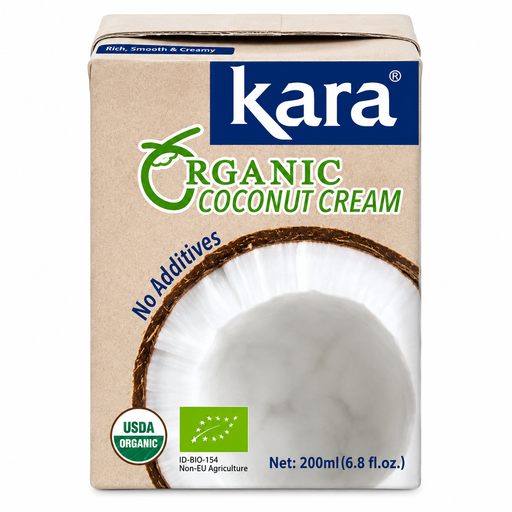 Image unavailable
A cooking coconut cream to consider for recipes where a small pack is handy.
The product name states that it contains 24 % fat. If you need to avoid milk completely, check the ingredients and any statements about possible traces on the packaging.
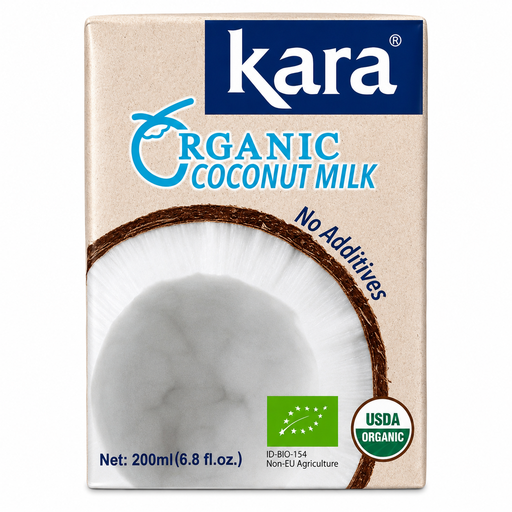 Image unavailable
This 200 ml cooking coconut milk may suit a one-off recipe during your stay.
The product name states that it contains 17 % fat. A ‘lactose-free’ statement on its own doesn’t answer questions about a milk protein allergy, so check the label.
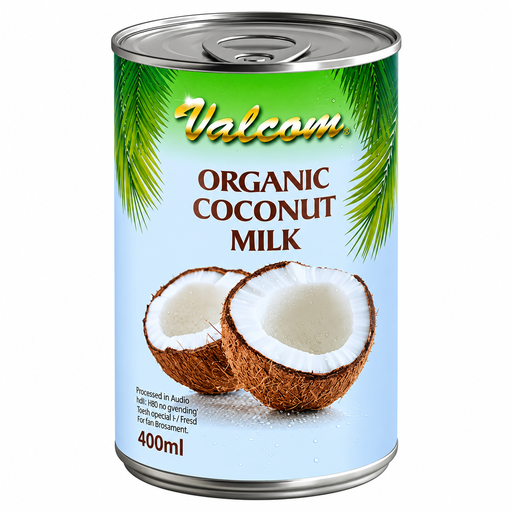 Image unavailable
Consider this 400 ml cooking pack if it’s the right amount for the dishes you’re planning.
Before using it as part of a dairy-free diet, check the ingredients and any precautionary statements on the tin you buy.
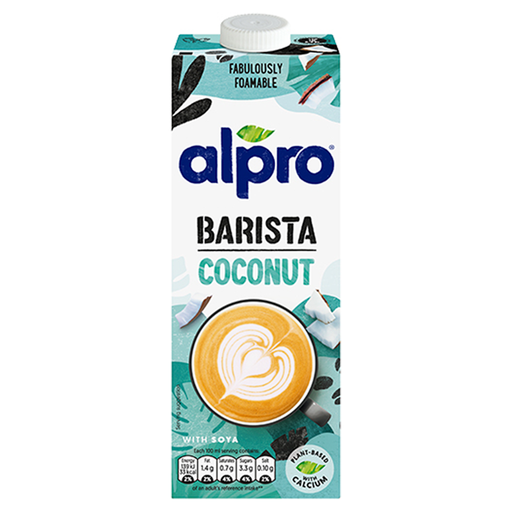 Image unavailable
This plant-based drink is designed for coffee rather than making a coconut milk sauce.
The pack size is 1 L. The listed ingredients for this product include soya; check the packaging if you need to avoid an ingredient or check for milk-related precautionary statements.
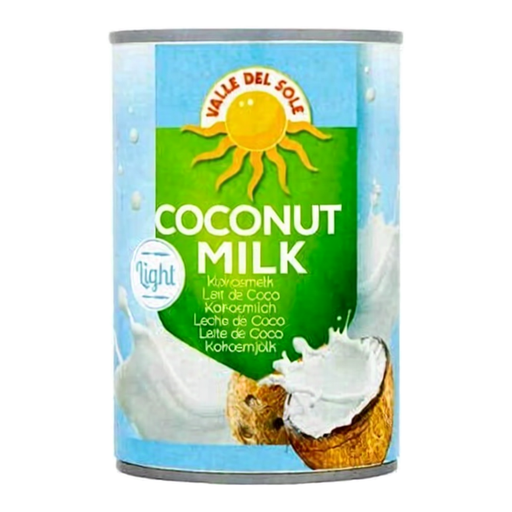 Image unavailable
Consider this 400 ml cooking coconut milk for recipes that need around this amount.
The name states that it contains 6 % fat, but that figure alone can’t tell you what texture to expect in a recipe. If avoiding milk is essential to your choice, check the label too.
No. The name alone doesn’t tell you the ingredients of every product. Read the ingredients and allergens on the packaging; if you have a milk protein allergy, also check for any precautionary statements and follow the advice of your healthcare professional.
Cooking coconut milk is intended for dishes, sauces or desserts, while a coconut plant-based drink is designed to be drunk or added to coffee and tea. Bjorg, for example, distinguishes between its 200 ml fluid coconut milk and its 1 L coconut drink. Check the stated use rather than choosing based on the word ‘coconut’ alone.
Choose a size based on how much you’ll need for your planned recipes or drinks, and bear in mind that you may have leftovers after opening. Carrefour’s listings include Kara cooking coconut milk in 200 ml and 500 ml packs; check the storage instructions for the pack you choose.
For prepacked food sold in France, the DGCCRF says the label should include, among other things, the product name, ingredients list, nutrition information and net quantity, plus either a best-before date or use-by date, depending on the product. This information can help you compare products, but always read the label on the specific product you buy.