For a coconut-flavoured drink that’s less rich than the regular version
You want to compare fat and saturated fat per 100 ml, rather than relying on the word “light” alone.


For a warm coconut-flavoured drink in the evening, first decide whether you want culinary coconut milk to measure into your mug or a plant-based drink designed for coffee. If your priority is to reduce fat compared with regular culinary coconut milk, compare the nutritional values for the light version: KARA Light, as presented by Auchan, still contains 13 g of fat per 100 ml. For a latte, Alpro’s Barista range is designed for a different use, and the name alone does not tell you how much fat it contains.
You want to compare fat and saturated fat per 100 ml, rather than relying on the word “light” alone.
You’re making a hot chocolate, chai or dessert drink and want a thick texture. The amount of coconut milk you pour in and the nutritional values of the product you choose matter just as much as its pack size.
You’re looking for a drink designed to be mixed with coffee and frothed, rather than concentrated culinary coconut milk. Alpro’s Barista range includes a coconut-based option.
First decide whether you want to focus on comparing fat content, making a latte or getting a thick texture. Then check the nutritional values and usage instructions for the specific product you plan to pour or heat.
| What to consider | What to check | Who it’s for |
|---|---|---|
| Fat content | Compare fat and saturated fat on the same basis, such as per 100 ml. Also read what “light” is being compared with. | If I want to keep the coconut flavour without automatically choosing regular culinary coconut milk, the ingredients matter more than how thick the drink is. Around 38% of consumers put this relative reduction at the top of their needs. |
| Latte use | Look for a coffee or Barista use label on the specific product, then check its heating and frothing instructions. | If I’m making a latte in the evening, I first look for a product designed for that use rather than a cooking ingredient. This texture is the priority for around 37% of consumers. |
| Texture and pack size | Check the texture described, the carton size and the storage instructions after opening. | If I’m making an occasional dessert drink, I prefer a thick mugful without opening more product than I can use. Around 25% of consumers prioritise this balance between creaminess and managing leftovers. |
Auchan describes KARA Light as having 30% less fat, but also states that it contains 13 g of fat and 12 g of saturated fat per 100 ml.
Compare the nutritional values per 100 ml with those of the product you’re using as a reference, then choose how much to pour according to the drink you want.
Auchan’s culinary coconut milks and the Barista range presented by Alpro are designed for different types of preparation. However, the Barista label alone doesn’t guarantee the result you’ll get in every mug.
For a latte, check the heating and frothing instructions for the specific product. For a thicker dessert drink, measure out the culinary coconut milk and dilute it to get the texture you want.
Opening a carton for a single drink can leave you with product to store, even if the pack looks small.
Check the packaging for how long the product keeps and how to store it after opening before choosing a size.
If you haven’t planned to use the rest within the stated time, some of the carton may go to waste.
These products show how uses and ingredients can differ: a brand that sells culinary coconut milk won’t necessarily offer a drink designed for coffee.
A 200 ml carton of Light culinary coconut milk, which Auchan describes as having 30% less fat.
Two 200 ml cartons of culinary coconut milk: one regular and one semi-thick.
A 330 ml carton of organic culinary coconut milk; Carrefour states that it contains 76% coconut extract.
A 200 ml carton of organic culinary coconut milk, sold by E.Leclerc.
A range of Barista plant-based drinks, including a coconut-based option, which Alpro presents for coffee drinks.
These products offer two ways to make a coconut drink: measure out culinary coconut milk labelled Light or choose a Barista drink for a hot coffee. Their names alone don’t tell you whether they have the same ingredients or are prepared in the same way.
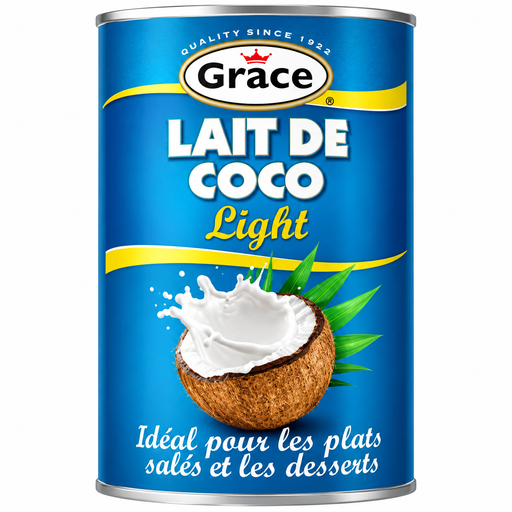 Image unavailable
Worth considering if you want to measure out coconut milk labelled Light for your evening drink.
400 ml pack. Before comparing its fat content with another product or heating it, check the basis used for the nutritional values and read the product instructions.
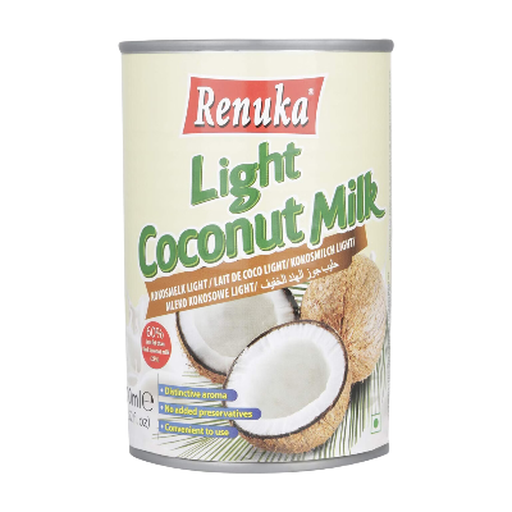 Image unavailable
Another culinary coconut milk to measure out if you’re looking for a product labelled Light.
The tin contains 400 ml. Before using it in a hot drink, check what “9%” refers to on the label, along with the nutritional values and preparation instructions.
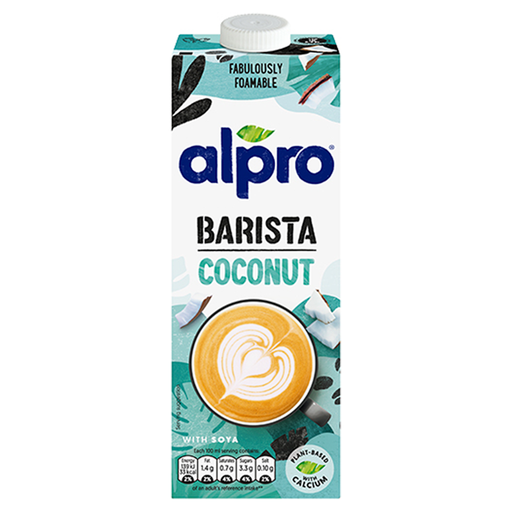 Image unavailable
Worth considering if your evening drink is a latte-style coffee and you’re looking for a Barista drink rather than culinary coconut milk.
1 l pack. Check the ingredients, nutritional information, and heating and frothing instructions for this product before choosing it.
No. “Light” means a reduction compared with a reference product, not a specific amount in your mug. Auchan states that KARA Light has 30% less fat, while also listing 13 g of fat and 12 g of saturated fat per 100 ml. Check the nutritional values for the specific product.
If coffee use and frothing are your priorities, look for a plant-based drink whose label says it’s designed for that purpose. Alpro includes a coconut-based option in its Barista range. Check the instructions for the product you choose rather than assuming culinary coconut milk will give you the same result.
Follow the instructions on the carton or tin you’ve bought. If you only make a drink now and then, check how long it keeps after opening before you buy, and plan how you’ll use the rest.