People making a post-workout meal
You want to use coconut milk in a curry, soup or porridge, then round out the rest of the meal with other foods. The texture it gives your recipe matters more to you than drinking coconut milk on its own.


If you’re looking for a creamy texture and a pronounced coconut flavour in a post-workout meal, choose culinary coconut milk by checking its ingredients and how much you use. Don’t rely on this ingredient alone to make up the meal: the two AYAM products described by the brand contain 1.9 and 2.0 g of protein per 100 ml. Coconut drinks are designed to be drunk, so don’t confuse them with a culinary ingredient.
You want to use coconut milk in a curry, soup or porridge, then round out the rest of the meal with other foods. The texture it gives your recipe matters more to you than drinking coconut milk on its own.
You’re looking for a dairy ingredient substitute in a post-workout dish. Compare the ingredients and intended use: culinary coconut milk and a coconut drink are made differently.
You’re after the distinctive flavour of concentrated coconut milk, possibly described as being made from mature coconuts. Fat content and the amount you add to your recipe are also worth checking.
First decide whether you want a creamy ingredient for cooking or a drink to pour into a glass. Then check the nutritional information for the product you’ve chosen and consider the part it will play in your meal.
For cooking: use it as the base for a recipe when you’re looking for a creamy texture. AYAM describes its 400 ml product as being made from fresh, mature coconuts.
Worth considering: the word “mature” doesn’t tell you how much protein the meal provides. Check the fat content too, along with the amount you use.
For drinking: it’s suited to a different use from a thick cooking ingredient. Carrefour’s product listing for Alpro coconut drink describes a formula with added calcium and vitamins.
Worth considering: coconut milk preparation makes up 14.1% of this Alpro drink. Don’t assume it has the same ingredients or texture as culinary coconut milk.
| Criteria | What to check | Who is it for? |
|---|---|---|
| What’s in the meal | Check the protein per portion of coconut milk you use, and choose the other foods in your meal separately. | If I’m making a post-workout meal, I want to know what each ingredient contributes rather than relying on coconut milk alone. Around 44% of consumers are said to put the ingredients in their meal at the top of their list of concerns. |
| Replacing a dairy ingredient | Tell culinary coconut milk apart from coconut drinks; check the ingredients list and the declared allergens for the specific product. | When replacing a dairy ingredient in my recipe, I’m mainly looking for a product and use that suit me. Avoiding lactose is said to be a priority for around 33% of consumers. |
| Flavour, texture and portion size | Compare the proportion of coconut extract, the fat and saturated fat content, and how much you plan to use. | In a sauce or dessert, I prioritise a strong coconut flavour while adjusting the amount to suit the recipe. Around 23% of consumers are said to prioritise flavour and texture. |
“Coconut” products can have very different formulations for different uses. AYAM says its 400 ml culinary coconut milk contains 74% coconut extract; Carrefour’s listing for Alpro coconut drink states that it contains 14.1% coconut milk preparation.
Before choosing, check the product name, ingredients and nutritional information against the recipe you’re making or the drink you’re looking for.
AYAM uses this phrase to describe the raw ingredient in its 400 ml coconut milk. On its own, it doesn’t tell you what the product contributes to a post-workout meal.
If this matters for your recipe, look for the claim on the packaging, then check the nutritional information and the other foods in your meal separately.
The amount you use changes the nutritional content of your portion. For its 400 ml product, AYAM states that it contains 21 g of fat, including 18.8 g of saturated fatty acids, per 100 ml.
Use the amount that actually goes into your recipe to work out the nutritional values per portion, rather than basing your calculations on the whole carton.
KARA says its additive-free coconut milk may separate or solidify at low temperatures. This information applies to that particular formula and doesn’t tell you how all products will behave.
Follow the instructions on your packaging before stirring or heating the product.
AYAM offers culinary coconut milk in several sizes. The brand describes its 400 ml product as being made from fresh, mature coconuts.
Carrefour’s listing for KARA organic coconut milk shows a 200 ml carton, a size to consider for recipes that use a small amount.
Carrefour’s 400 ml sterilised coconut milk can be compared with other cooking ingredients by looking at its composition.
These products are coconut milks to consider as ingredients in post-workout recipes. If you’re specifically looking for a product made from mature coconuts, check the product itself for this claim before choosing; the fat content or pack size doesn’t confirm it.
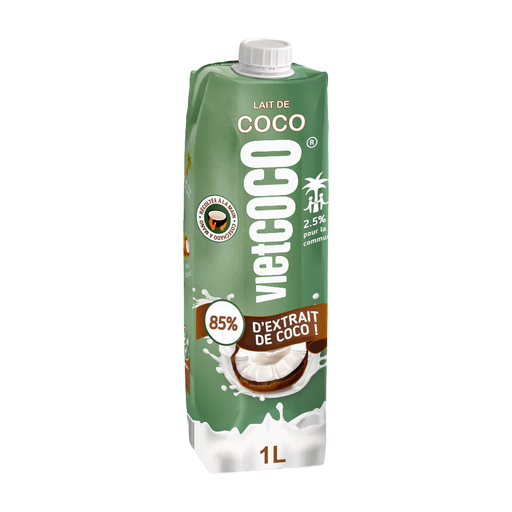 Image unavailable
A size to consider if your recipe calls for a generous amount of coconut milk. The product name states that it contains 17–19% fat; adjust the amount you use and choose the other ingredients for your meal separately.
If it’s important to you that the coconuts are mature, check the packaging for this information.
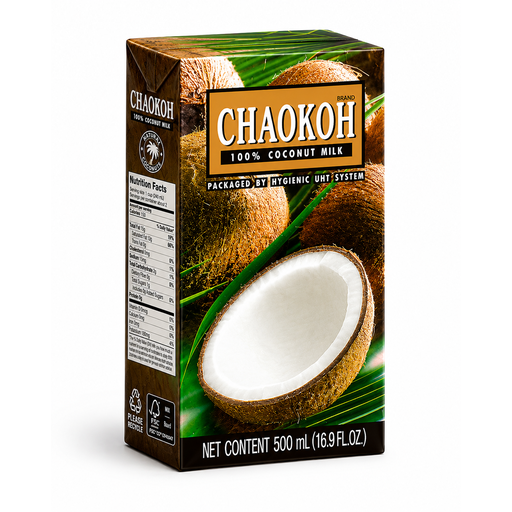 Image unavailable
This 500 ml carton could be used to make a sauce or a post-workout meal. The product name states that it contains 18% fat; check the nutritional information to work out the portion you use.
If you’re specifically looking for milk made from mature coconuts, check the product for this claim.
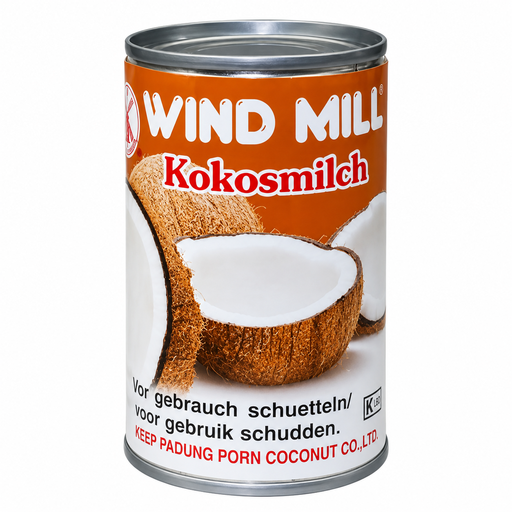 Image unavailable
The 165 ml size is worth considering for recipes that need only a small amount of coconut milk. Build the rest of the meal around the foods you’d like to pair it with.
If the maturity of the coconuts matters to you, look for this information on the packaging.
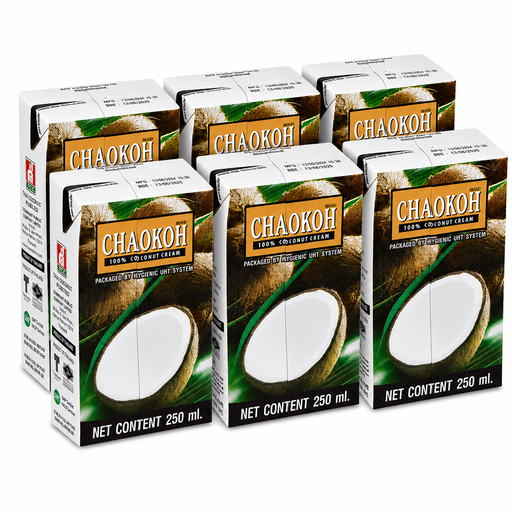 Image unavailable
A pack of six 250 ml bottles is worth considering if you’re planning to make several recipes with coconut milk. Check that this pack size suits your needs and measure out the amount for each dish.
If mature coconuts are one of your criteria, check the product for this claim.
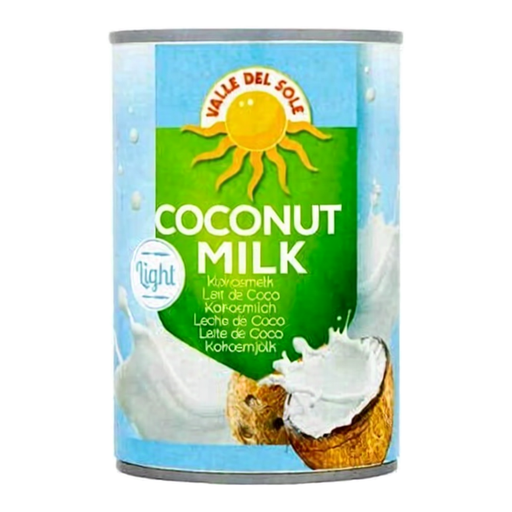 Image unavailable
This 400 ml product gives you another stated fat content to consider: 6%. Compare the ingredients and nutritional values for the portion you plan to use before adding it to your recipe.
If you’re looking for coconuts of a particular maturity, check the packaging for details.
No. The phrase “mature coconuts” doesn’t describe the nutritional make-up of the whole meal. AYAM states that its 500 ml coconut milk contains 1.9 g of protein per 100 ml, and its 400 ml product contains 2.0 g per 100 ml. Use the values for the product you choose to decide which other foods to include in your meal.
Choose according to how you plan to use it: culinary coconut milk is used as a base for a dish, while a coconut drink is intended to be drunk or added to recipes that call for a drink. AYAM’s and Carrefour’s product listings show different recipes for AYAM’s 400 ml culinary coconut milk and Alpro coconut drink. Compare their ingredients and nutritional information rather than assuming you can use them interchangeably.
First, follow the instructions on your product’s packaging. KARA says its additive-free coconut milk may separate or solidify at low temperatures and recommends placing the container in warm water for 5 to 10 minutes, then stirring. These instructions apply to that specific product.