Households cooking for someone with coeliac disease
Choosing the right coconut milk isn’t enough to make pancakes safe. The French Association of Gluten Intolerants (AFDIAG) also recommends avoiding cross-contamination during preparation.


For pancakes made for someone with coeliac disease, choose a product explicitly labelled ‘gluten-free’ and check the packaging of the product you buy. Then decide whether your recipe calls for a coconut drink or culinary coconut milk: these are different products and may not be interchangeable without adjusting the batter. You’ll also need to avoid cross-contamination during preparation.
Choosing the right coconut milk isn’t enough to make pancakes safe. The French Association of Gluten Intolerants (AFDIAG) also recommends avoiding cross-contamination during preparation.
A coconut drink and culinary coconut milk are two different types of product. Check which one the recipe calls for before choosing your ingredient.
If your recipe only needs a small amount, compare the available pack sizes with the quantity you need. Carrefour’s culinary coconut milk products include smaller sizes.
For a recipe intended for someone with coeliac disease, first look for a ‘gluten-free’ claim on the product you’re considering. Then check which type of product the recipe calls for, followed by the pack size you need.
| What to check | Look for | Who this matters to |
|---|---|---|
| Gluten-free claim | Look for the claim on the packaging of the exact product you’re buying, and read any warnings. | When I’m cooking for someone with coeliac disease, I want to choose a product with confidence rather than trying to work out its status from the ingredients list alone. Around 50% of consumers rank this check as their top priority. |
| Product type and recipe | Know the difference between a coconut drink and culinary coconut milk. For the latter, check the stated proportion of coconut extract. | If my recipe calls for a coconut drink, I don’t want to assume culinary coconut milk will give me the same batter. Around 33% of consumers prioritise getting the recipe adjustment right. |
| Pack size | Compare the pack size with the amount your recipe needs and check which product is available in your shop. | For a single Pancake Day recipe, I’d rather buy an amount that suits the recipe without compromising on the gluten-free claim. Pack size is the top priority for around 17% of consumers. |
Even if you can’t see any cereals in the ingredients, that alone doesn’t confirm that the product is labelled ‘gluten-free’. In the European Union, European Commission Implementing Regulation (EU) No 828/2014 sets the limit for a ‘gluten-free’ claim at 20 mg/kg of gluten.
If you’re cooking for someone with coeliac disease, look for this claim on the product you’re buying rather than trying to infer it from the ingredients.
According to AFDIAG, cross-contamination can happen during preparation, even when you’ve chosen suitable ingredients.
Make the gluten-free pancakes first, using a dedicated or thoroughly cleaned work surface and utensils.
Carrefour’s culinary coconut milk products, with 60% and 85% coconut extract, have different compositions. You can’t tell how they’ll behave in a batter from this percentage alone.
Start with the type of product your recipe calls for, and gradually adjust the liquid if you use a different ingredient.
Carrefour offers a 250 ml carton of coconut milk containing 60% coconut extract, as well as a 400 ml sterilised can containing 85%.
Carrefour’s range of culinary coconut milk includes Kara products in different sizes and varieties.
Carrefour offers Suzi Wan culinary coconut milk in several pack sizes, as well as a Light variety.
One 20 cl pack of Real Thai culinary coconut milk listed by Carrefour states ‘85% no additives’.
These two products suit different uses: a small pack of culinary coconut milk and a matcha-flavoured coconut drink. For pancakes made for someone with coeliac disease, check the gluten-free claim on the pack you buy and choose the type of product your recipe calls for.
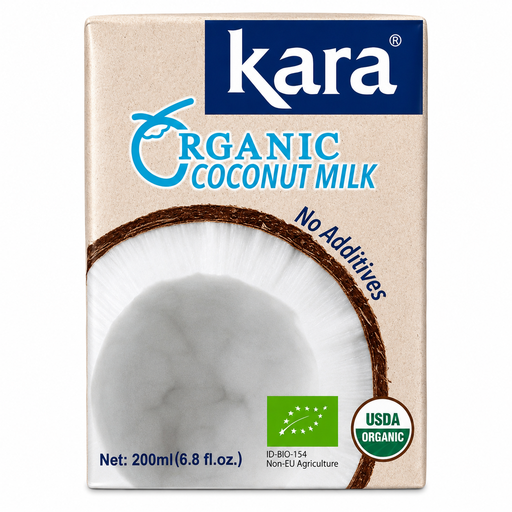 Image unavailable
This 200 ml pack of culinary coconut milk could suit a recipe that calls for a small amount of coconut milk rather than a coconut drink. The product name states that it contains 17% fat, so adjust the batter to suit the recipe. The listing for this product states ‘gluten-free’. Check this claim and any warnings on the pack you buy.
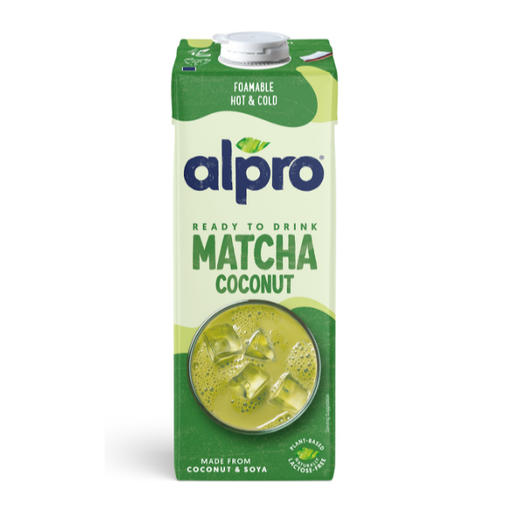 Image unavailable
This 1 L matcha coconut drink is worth considering only if your recipe can use a flavoured drink rather than culinary coconut milk. Check that matcha and soya are suitable for the recipe and everyone who’ll be eating it. The product listing states ‘Gluten-free’. Check the pack you buy before cooking for someone with coeliac disease.
Yes. Look for it on the exact product you’re buying rather than relying on the apparent absence of cereals from the ingredients. In the European Union, European Commission Implementing Regulation (EU) No 828/2014 sets the limit for this claim at 20 mg/kg of gluten. You’ll also need to avoid cross-contamination during preparation.
No. A short ingredients list alone doesn’t confirm that a product is labelled ‘gluten-free’. If you’re cooking for someone with coeliac disease, check the packaging of the product you choose and keep preparations separate, as AFDIAG recommends.
Make the gluten-free version first, on a clean surface and using dedicated or thoroughly washed utensils. AFDIAG reminds us that keeping preparations separate is just as important as choosing the right ingredients.
Not automatically: they’re two different types of product. Check which one the recipe calls for, and gradually adjust the liquid if you use culinary coconut milk instead of a coconut drink. Check the gluten-free claim on the specific product you choose separately.