Who is this choice for?

Parents whose child has an individual care plan (PAI) for their diet

The product and recipe brought to school need to be checked against the child’s dietary requirements and the arrangements in place for them. France’s Ministry of National Education says that a PAI can be put in place, for example, in cases of food allergy.

Parents who want to avoid dairy

It’s important to distinguish between a cooking ingredient and a coconut drink, and to read the ingredients of the product you choose. Its name alone doesn’t show whether it’s suitable for an elimination diet.

Parents making small portions at home

For an occasional recipe, compare the 200 ml sizes listed by E.Leclerc with larger containers, then follow the storage instructions for the product once opened.

What should you check?

Culinary coconut milk

For: a sauce, cream or another recipe prepared before packing the lunchbox.

Keep in mind: this isn’t a coconut drink. Adjust the amount to suit your recipe and check the nutritional information.

Coconut drink

For: a product intended to be drunk rather than added to a recipe.

Keep in mind: it may contain other ingredients, and it isn’t a like-for-like substitute for culinary coconut milk.

What to consider What to check Who it matters to
Allergies and PAI Compare the listed ingredients and allergens with the foods your child must avoid, and follow the written requirements of their PAI. If my child follows a diet agreed with the school, I want to rule out any unsuitable products before preparing their meal. This would be the main consideration for around 36% of consumers.
Product type and ingredients Identify whether it’s culinary coconut milk or a drink, then read the list of added ingredients. If I want to avoid dairy in a recipe or drink, I don’t want to guess the ingredients from the word ‘coconut’ alone. Around 29% of consumers would prioritise the product type and ingredients.
Pack size Compare the amount needed for the recipe with the storage instructions for the product once opened. When I’m making a small portion, I prefer a container where I can store any leftovers in line with the label. Pack size would come first for around 21% of consumers.
Cooking use and fat content Compare the percentage of coconut extract and the nutritional values on the same basis, particularly per 100 ml. If my recipe needs a particular texture, I also want to consider the composition of the portion I use. Around 14% of consumers would put culinary use first.

Mistakes to avoid

  • Confusing culinary coconut milk with a coconut drink

    The products listed by E.Leclerc and Carrefour have different compositions depending on their category. For example, their culinary coconut milks contain between 47% and 85% coconut extract, while a Carrefour Bio coconut drink contains 3.8%.

    First decide whether you need an ingredient for a recipe or a drink, then compare the labels of the products you’re considering.

  • Assuming ‘plant-based’ or ‘lactose-free’ means it’s suitable for every allergy

    What needs to be avoided depends on the specific allergen. The European Commission says that regulated allergens used as ingredients must be clearly identified on foods sold in the European Union. A general claim on the front of the pack is no substitute for checking the specific product.

    Check the ingredients and allergen information every time you buy the product, then compare them with your child’s dietary requirements.

  • Using culinary coconut milk as if it were an equivalent drink

    The culinary products and coconut drinks mentioned here are intended for different uses. Their coconut extract content and nutritional values vary from one product to another.

    For a homemade recipe, work out how much you need and check the nutritional values of the product you choose.

  • Packing a lunch without checking the arrangements at school

    France’s Ministry of National Education explains that a packed lunch isn’t automatically the first solution for a pupil with particular dietary needs: there are conditions for putting one in place.

    Before taking a new recipe to school, check with the school what arrangements are set out in your child’s PAI.

Brands and ranges to know

Carrefour Sensation

A 400 ml can of culinary coconut milk listed by Carrefour.

  • Its ingredients list shows 85% coconut extract, water and guar gum.
  • For a small recipe, check whether 400 ml is the right amount and how to store any leftovers.

Tables du Monde

The 200 ml carton of culinary coconut milk listed by E.Leclerc.

  • It contains 63% coconut extract, water and xanthan gum.
  • Check the ingredients of the specific product you choose rather than assuming these details apply to the whole range.

Bio Village

An organic culinary coconut milk in a 200 ml carton, listed by E.Leclerc.

  • The ingredients list for this product mentions water and 47% coconut extract from organic farming.
  • A short ingredients list doesn’t prove that a product is suitable for a child’s elimination diet.

ECO+

A 200 ml carton of culinary coconut milk listed by E.Leclerc.

  • Its ingredients list shows 51,8% coconut extract, water and the stabiliser E415.
  • These ingredients apply to this specific product, not to the allergy suitability of the whole range.

Alpro

A plant-based coconut drink, which is different from culinary coconut milk.

  • The coconut drink listed by Carrefour is made with rice and coconut milk, and is intended to be drunk.
  • If following an elimination diet, check the ingredients and allergen information for the specific variety you choose.

Joybuy products for homemade recipes

These products are for recipes made with coconut milk or coconut cream to pack in a lunchbox, rather than choosing a ready-to-drink option. For every product, compare the label with your child’s dietary requirements and any applicable arrangements at school.
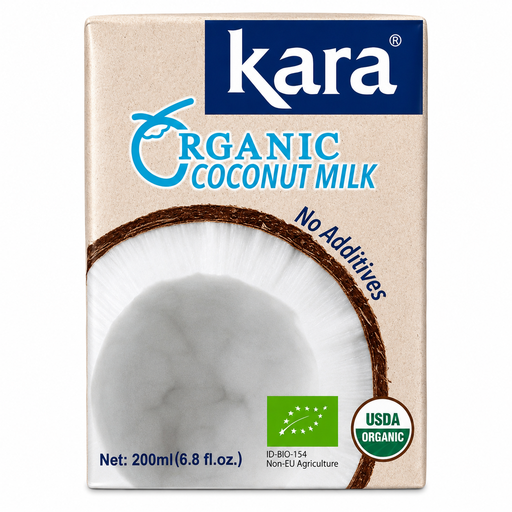
Kara Organic Coconut Milk UHT 17% Fat, 200 ml coconut milk

Kara Organic Coconut Milk UHT 17% Fat, 200 ml

A 200 ml size to consider for a small homemade recipe using coconut milk. Before comparing its fat content with another product, check the nutritional information on the pack: the figure in the product name doesn’t match the figure in the nutritional information shown in the product descriptions.

View on Joybuy
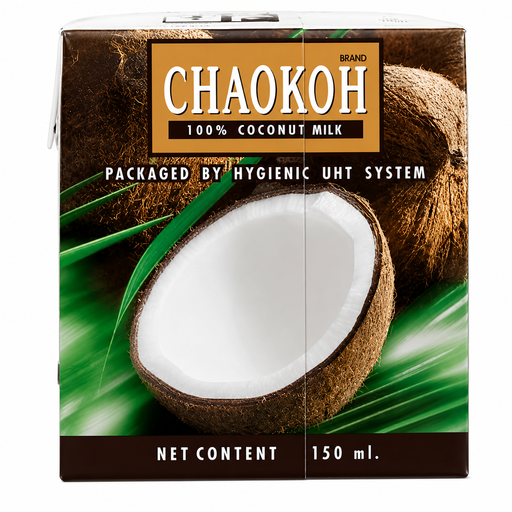
Chaokoh Coconut Milk 18% PK, 150 ml coconut milk

Chaokoh Coconut Milk 18% PK 150ml

The 150 ml size may suit a recipe that needs a small amount of coconut milk. The name includes ‘18%’; check the label for ingredients, allergens and storage instructions after opening before using it for your child.

View on Joybuy
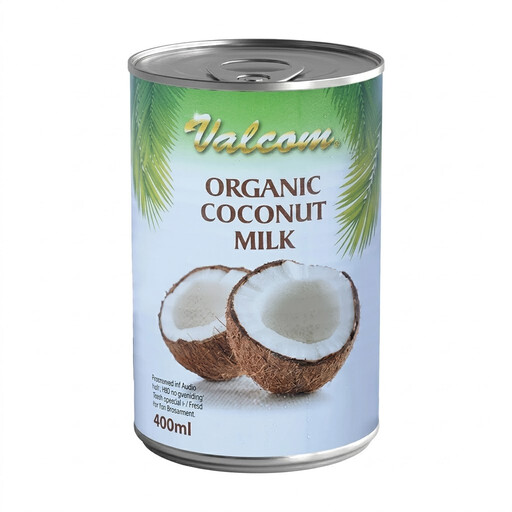
Valcom Organic Coconut Milk, 400 ml coconut milk

Valcom Organic Coconut Milk 400 ml

This 400 ml coconut milk may be suitable if your recipe needs more than a small amount. If you only use some of the container, follow the storage instructions on the pack. Also check the label against your child’s dietary requirements.

View on Joybuy
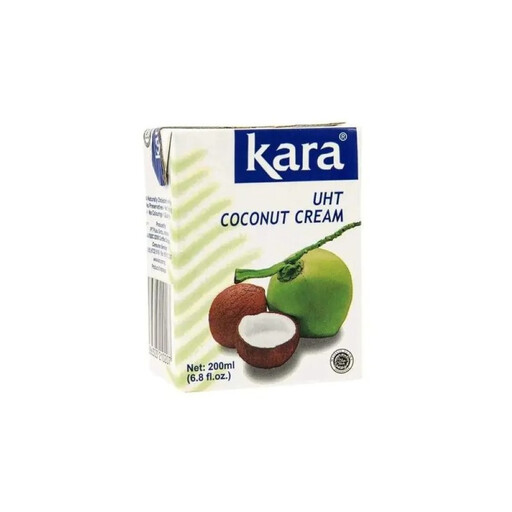
Kara Coconut Cream UHT 24% Fat, 200 ml coconut cream

Kara Coconut Cream UHT 24% Fat, 200 ml

Consider this 200 ml coconut cream if your recipe calls for cream rather than coconut milk or a drink. The name includes ‘24% Fat’. Check the ingredients list on the pack before buying: the product descriptions contradict each other about whether it contains stabilisers.

View on Joybuy

Frequently asked questions

Does coconut milk always contain dairy milk?

No. The ingredients lists for the culinary products listed by E.Leclerc and Carrefour mention coconut extract, water and, in some cases, a stabiliser, but no dairy milk. That doesn’t apply to every product with a similar name, so check the label of the one you plan to use.

Is a ‘lactose-free’ claim enough if someone has a food allergy?

No. It doesn’t, by itself, tell you whether the product contains the allergen your child needs to avoid. Check the ingredients list and allergen information against their individual dietary requirements, even if the product is described as plant-based.

How do I choose between culinary coconut milk and a coconut drink?

Choose according to how you’ll use it: culinary coconut milk is an ingredient for a recipe, while a coconut drink is intended to be drunk. The products listed by E.Leclerc and Carrefour also vary in their coconut extract content and other ingredients, so check the composition of the specific product before adding it to a lunchbox.

What should I check before taking a coconut recipe to school if my child has a PAI?

Check that the recipe’s ingredients and the planned meal arrangements comply with your child’s PAI. France’s Ministry of National Education explains that this document sets out the necessary adjustments, and that packed lunches are subject to conditions. Speak to the school before changing what your child brings in.