For a sauce, curry or soup where texture matters, start with cooking coconut milk and compare the proportion of coconut extract. If you want to limit the fat in this ingredient, consider a lighter version, but don’t rely on the word ‘light’ alone. For drinking or making a smoothie, look instead at coconut plant drinks, which have a different composition. In every case, check the ingredients, compare nutritional values on the same basis and consider how much your recipe needs.
Who are these options for?
For sauces and savoury dishes
You’re making a curry, soup or sauce and want a creamy texture with a noticeable coconut flavour. Product listings for cooking coconut milk from E.Leclerc and Carrefour show that the proportion of coconut extract varies between products. Compare it before choosing a base for your dish.
For recipes where fat content matters
You want to keep a hint of coconut while keeping an eye on the amount of fat you use. Compare nutritional values on the same basis and take into account how much you add to the recipe, rather than focusing only on the word ‘light’.
For drinks and cold recipes
You’re looking for a base for a smoothie, porridge or drink. A coconut plant drink is intended for a different use from cooking coconut milk, so check its product description and ingredients before using it in a sauce.
What should you look for before buying?
First decide whether you want coconut to add body to a dish, be used in a measured amount in a recipe or serve as the base for a drink. Then compare labels on products of the same type.
| Criterion |
What to check |
Who is it for? |
| Texture and flavour in a dish |
The proportion of coconut extract and the ingredients list for cooking coconut milk. Don’t assume this percentage alone will tell you the final texture. |
If I’m making a curry or soup, I want a coconut base that gives me the consistency I’m looking for. Around 40% of consumers prioritise this cooking need. |
| Fat content |
Fat and saturated fat on the same basis, followed by the amount used in the dish. |
If I want to limit the fat from this ingredient in a recipe, the amount I add matters just as much as the ‘light’ label. This is the top priority for around 30% of consumers. |
| Product type |
Whether it is described as ‘coconut milk’ or a ‘coconut plant drink’, as well as the ingredients, before using it as a substitute in a recipe. |
For a smoothie or porridge, I’m looking for a drink; for a sauce, I check whether the recipe calls for cooking coconut milk. Around 20% of consumers prioritise this distinction. |
| Ingredients and pack size |
The ingredients list, nutritional information and pack size in relation to the number of portions you’re planning. |
If I’m only using part of the pack at lunchtime, I want to understand what’s in it and choose a practical size. This is the main need for around 10% of consumers. |
Common confusions to avoid
-
Using a coconut drink as if it were cooking coconut milk
The Alpro Coco drink described by Carrefour contains water, 8.6% coconut milk and 3.3% rice. Its composition differs from the cooking coconut milk products listed by E.Leclerc and Carrefour, so using it as a substitute may change the consistency of your sauce.
For a curry or soup, check the product type and the proportion of coconut required by the recipe before replacing cooking coconut milk with a drink.
-
Relying on the word ‘light’ alone
Carrefour’s product listing for Suzi Wan Light coconut milk states that it contains 22% coconut extract. This label alone doesn’t tell you what texture to expect or how much fat your portion will contribute.
Read the nutritional information and ingredients list, then choose according to the recipe and the amount you’ll use.
-
Comparing the packs rather than what’s inside
A pack size of 200 ml, 400 ml or 1 L doesn’t let you compare the nutritional values of two products. Buying a larger pack doesn’t necessarily mean you’ll use more in your dish, either.
Compare values given on the same basis, per 100 ml or per 100 g depending on the labels, then check the volume you’ll need for your portions.
Brands and ranges to know
These products illustrate different types and compositions. Their characteristics don’t apply to every product sold under the same brand name.
Carrefour Bio
Cooking coconut milk in a 400 ml can, according to the Carrefour listing for the product reviewed.
- According to Carrefour, this product contains 76% organic coconut extract.
- The organic label doesn’t replace the need to compare fat content and the amount used in your recipe.
E.Leclerc, Tables du Monde et ECO+
Cooking coconut milk available in a range of pack sizes and compositions, according to E.Leclerc’s product listings.
- The products reviewed list 51.8% coconut extract for ECO+ in a 200 ml carton, 63% for Tables du Monde in a 200 ml carton and 81% for Tables du Monde in a 400 ml can.
- These percentages alone don’t describe the nutritional values or the result you’ll get in a recipe.
Alpro
Coconut plant drinks to consider for drinking or making a smoothie or porridge, rather than as direct equivalents to cooking coconut milk.
- Carrefour’s listing for Alpro Coco drink states that it contains 8.6% coconut milk and 3.3% rice; the listing for the No Sugars version states that it contains 14.1% coconut milk.
- Check the composition of your chosen version before using it in place of coconut milk in a sauce.
Suzi Wan
The Light coconut milk listed by Carrefour is an option to consider for a recipe where fat content is a factor in your choice.
- The listing for this product states that it contains 22% coconut extract.
- For a sauce where consistency matters, also compare its nutritional information and composition with those of a more concentrated cooking coconut milk.
Coconut milk for different recipes
These Joybuy coconut milk products offer a chance to compare different pack sizes and products described as light or suitable for cooking. Choose according to your recipe first, then compare the nutritional values on each pack.
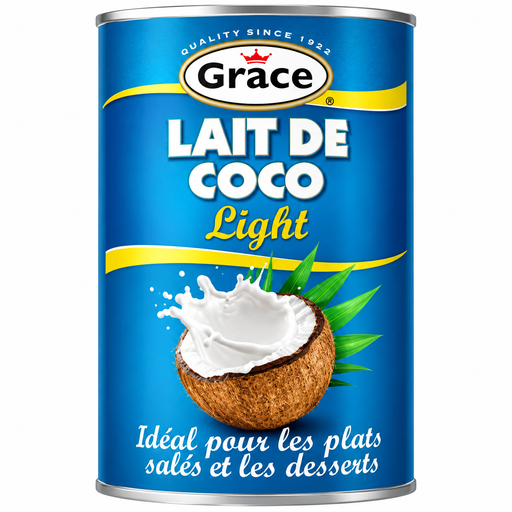 Image unavailable
Grace Light coconut milk, 400 ml
Worth considering if you’re looking for a product labelled Light for a coconut-based recipe. Compare its fat content on the label with that of other coconut milk products, and check the storage instructions once opened.
View on Joybuy
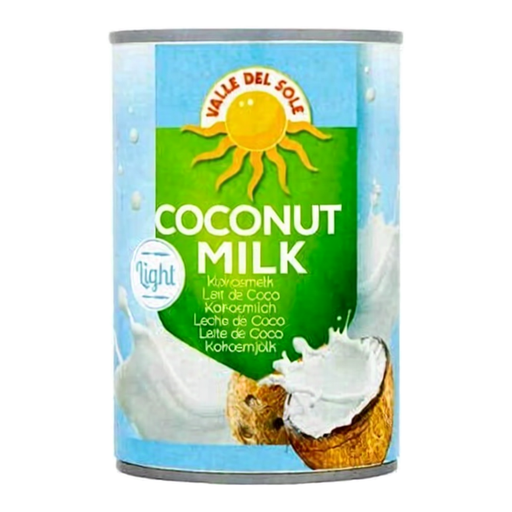 Image unavailable
Valle Del Sole coconut milk 6%, 400 ml
Worth considering for a sauce, soup or curry if you want to compare the fat content of different coconut milk products. The product name includes ‘6%’; check the label to see what this refers to, and follow the storage instructions once opened.
View on Joybuy
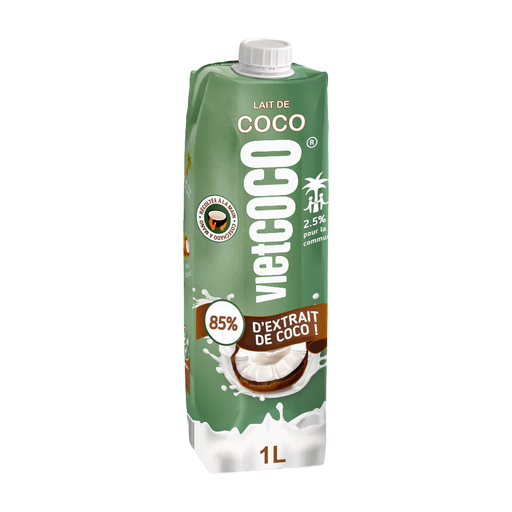 Image unavailable
Vietcoco coconut milk, 17–19% fat, 1 L
Worth considering if you’re planning to make several coconut-based dishes. With a 1 L pack, plan how you’ll use it after opening; also check how much you’ll need and follow the storage instructions on the pack.
View on Joybuy
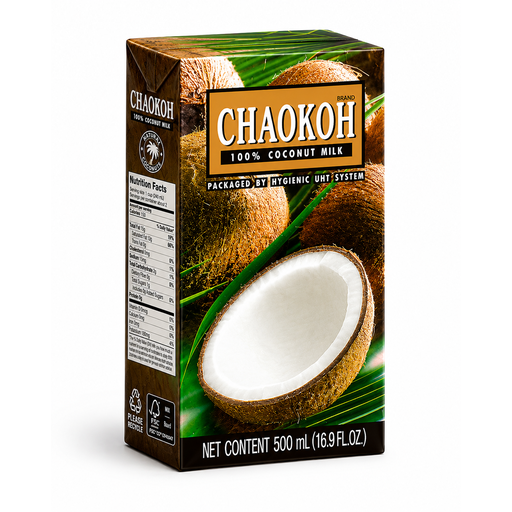 Image unavailable
Coconut milk in a carton, 18% fat, 500 ml
Worth considering for a curry, soup or sauce if you’re looking for cooking coconut milk in a carton. Take into account how much you’ll use in the dish, and check the pack for storage instructions once opened.
View on Joybuy
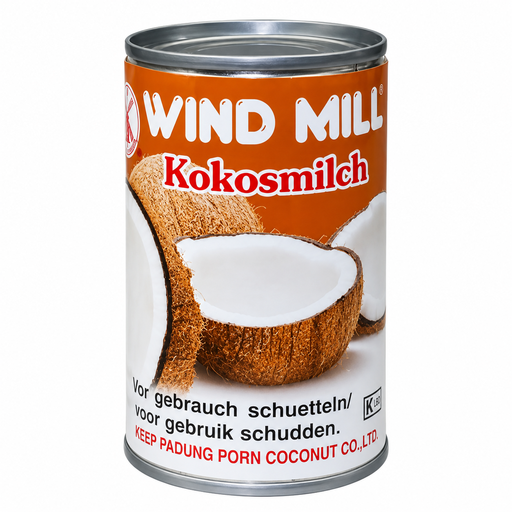 Image unavailable
Wind Mill coconut milk in a 165 ml can
The 165 ml pack is worth considering if your recipe only needs a small amount of coconut milk. Check the nutritional values and storage instructions before planning how you’ll use it.
View on Joybuy
Frequently asked questions
Can you use a coconut drink instead of cooking coconut milk?
Not without considering the recipe: their compositions differ, so the consistency of a sauce may change. Carrefour’s listing for Alpro Coco drink states that it contains 8.6% coconut milk and 3.3% rice, while the cooking coconut milk products listed by E.Leclerc and Carrefour have different proportions of coconut extract. For a curry or soup, check which type of product the recipe calls for.
How should you compare two coconut milk products for lunch?
First compare two products of the same type using the same nutritional basis, then check their ingredients and proportion of coconut. Check fat, saturated fat, sugars and salt per 100 ml or per 100 g, depending on the labels, without treating these two units as directly equivalent. The amount you actually add to the dish matters too.
Is a ‘light’ label enough to help you choose?
No. On its own, it doesn’t tell you whether the coconut milk will give your recipe the right texture. Carrefour’s listing for Suzi Wan Light states that it contains 22% coconut extract; check its nutritional values too, along with how much you plan to use.
What should you read on the label of packaged coconut milk?
The product description, ingredients list, net quantity and nutritional information help you identify and compare the product. France’s DGCCRF lists these among the labelling information required for prepacked food. For your recipe, pay particular attention to the product type, the stated proportion of coconut and the nutritional values on the same basis.


