People who need to avoid gluten strictly
Check the exact product rather than assuming a coconut-based product is suitable just because its ingredients list does not mention a gluten-containing cereal.


For a sauce or curry, choose coconut milk for cooking. If your recipe needs a thicker texture, consider coconut cream; if you want something to drink, look for a coconut plant-based drink. If you need to avoid gluten strictly, check for a ‘gluten-free’ claim and read the label on the exact product you buy. The presence of coconut or a short ingredients list is not enough to confirm that it is suitable.
Check the exact product rather than assuming a coconut-based product is suitable just because its ingredients list does not mention a gluten-containing cereal.
Coconut milk for cooking is a good choice when you want a particular texture in your dishes. The E.Leclerc and Suzi Wan product pages list 47% and 56% coconut extract respectively for the cooking products mentioned here.
For breakfast or a drink, the term ‘coconut plant-based drink’ distinguishes this option from coconut milk for cooking. Always check the ingredients: the Carrefour Bio product mentioned here contains rice starch and pea protein, among other ingredients.
The word ‘filtered’ alone won’t tell you whether a product is coconut milk for cooking, coconut cream or a drink, or whether it is gluten-free. Start with how you plan to use it, then check the ingredients and the label on the exact product.
Best for: curries and sauces where you want the texture coconut brings to a dish.
Worth noting: nutritional values vary by product. Compare fat content using the same units.
Best for: recipes that need a thicker texture, including some desserts.
Worth noting: Suzi Wan says its coconut cream contains 90% coconut extract. Check whether this concentration is right for your recipe.
Best for: drinking or serving with breakfast.
Worth noting: Carrefour says its Carrefour Bio drink contains 3.8% coconut extract. Don’t use it instead of coconut milk for cooking without taking your recipe into account.
| What to consider | What to check | Who it matters to |
|---|---|---|
| Gluten-free suitability | The ‘gluten-free’ claim, ingredients and allergen or trace information on the pack you’re buying. | If I need to avoid gluten strictly, I don’t want to assume a product is suitable just because it contains coconut. Around 36% of consumers put this check at the top of their list. |
| Texture for cooking | The product type, proportion of coconut extract and fat content, comparing like with like. | For a curry or dessert, I’m looking for the right texture and don’t want to confuse milk, cream and drinks. This is a priority for around 29% of consumers. |
| Short ingredients list | The ingredients list, including any stabilisers, starches and flavourings. | When I’m planning my shopping, I prefer to know what’s been added rather than choosing on brand name alone. Ingredients are the main concern for around 21% of consumers. |
| For drinking | The ‘coconut plant-based drink’ description, pack size and ingredients for the specific product. | If I’m looking for a carton to pour into a drink or have with breakfast, a concentrated cooking ingredient won’t serve the same purpose. Around 14% of consumers prioritise this everyday use. |
Ingredients can vary considerably: Carrefour says its Carrefour Bio drink contains 3.8% coconut extract, while the Bio Village and Suzi Wan cooking milks mentioned here contain 47% and 56% respectively.
For a recipe, first look for ‘coconut milk’ or ‘coconut cream’ on the pack, then check the proportion of coconut extract.
The ingredients list and a ‘gluten-free’ claim don’t tell you the same thing. The DGCCRF explains that this claim is regulated for products sold to consumers.
If you need to avoid gluten strictly, check the claim, ingredients and any trace information on the packaging of the product you buy.
The same brand may offer coconut milk, cream or several different varieties with different ingredients and pack sizes.
Compare the full product name, ingredients list and nutritional information for the product you’re adding to your basket.
E.Leclerc’s range includes organic coconut milk for cooking in a 200 ml carton.
The range mentioned here includes coconut milk for cooking and coconut cream.
Kara is one of the brands of coconut milk for cooking stocked by retailers in France.
The product mentioned here is a 1 L coconut plant-based drink, not coconut milk for cooking.
Carrefour stocks Alpro coconut plant-based drink in a 1 L carton.
This selection includes coconut cream and coconut milk for cooking in a range of pack sizes. If you need to avoid gluten strictly, check the label on the variety you choose before buying. A coconut plant-based drink is intended for a different use.
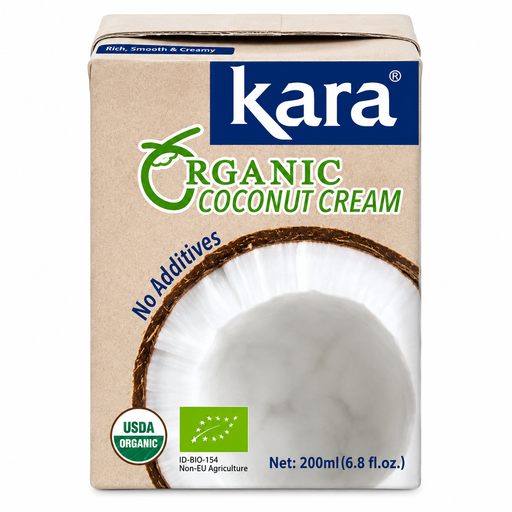 Image unavailable
This coconut cream is worth considering for recipes that need a thick texture. The product name specifies a 200 ml UHT pack with 24% fat. If you need to avoid gluten strictly, check the claim and any allergen or trace information on the packaging.
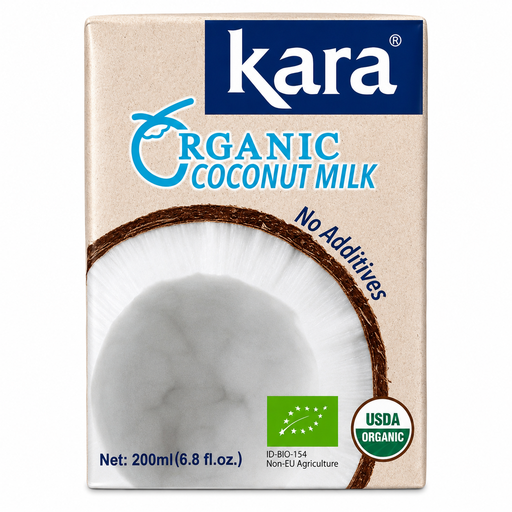 Image unavailable
A small pack of coconut milk for cooking, ideal for a sauce or curry. The product name specifies 200 ml and 17% fat. Check the nutritional information on the packaging, as well as the gluten-free claim and any allergen or trace information if needed.
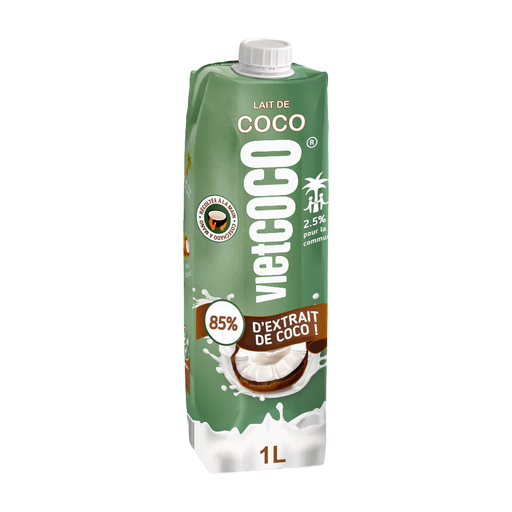 Image unavailable
The 1 L pack is handy for recipes that need more coconut milk. Follow the storage instructions after opening. The product name specifies 17–19% fat. If you need to avoid gluten strictly, check the gluten-free labelling on this product.
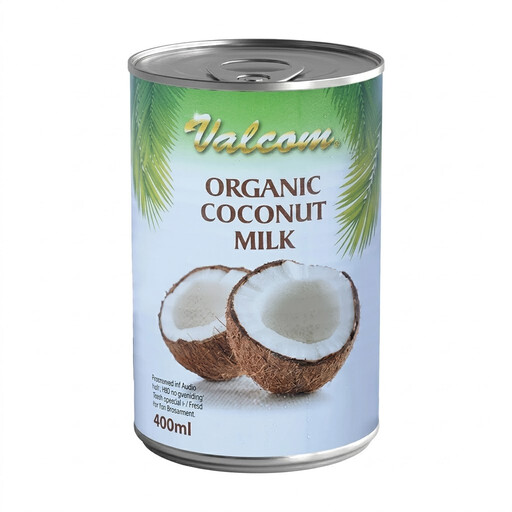 Image unavailable
This 400 ml coconut milk for cooking is worth considering for a sauce or dessert. Check the date and storage instructions on the packaging, along with the gluten-free claim and any allergen or trace information if these matter for your purchase.
No. It doesn’t replace checking for a ‘gluten-free’ claim on the product you buy. Also check the ingredients, allergens and any trace information on the packaging.
Under the European rules cited by the DGCCRF, it means the product sold to the final consumer contains no more than 20 mg/kg of gluten. The separate claim ‘very low gluten’ means a maximum of 100 mg/kg, so read the exact wording carefully.
Not without taking the recipe into account: these products can have very different ingredients. Suzi Wan says its coconut milk for cooking mentioned here contains 56% coconut extract, compared with 3.8% in the Carrefour Bio drink described by Carrefour. Check the product name and ingredients before substituting one for the other.
Follow the instructions on the packaging for your product. For example, Auchan says its Racines Bio coconut milk should be kept chilled and protected from the air after opening.