For a family dinner, choose coconut milk for cooking based on the recipe and the specific ingredient some diners need to avoid, rather than relying on the word ‘plant-based’ alone. Check the label on the product you buy: a short ingredients list or the absence of declared additives does not guarantee that it is suitable for every dietary exclusion. According to the Ministry of the Economy, allergenic ingredients must be listed and highlighted in the ingredients list.
Who is this choice for?
Families with a specific dietary exclusion
If several people are sharing a dish, first identify the ingredient that needs to be avoided. Read the ingredients and allergen information on the packaging; if the meal needs to be gluten-free, look for a specific gluten-free claim.
People making a curry or sauce
When cooking, distinguish coconut milk for cooking from a coconut plant-based drink. The products featured by Carrefour have different compositions, with 56%, 64% or 85% coconut extract, depending on the product.
Families who prefer a recipe with no declared additives
Comparing ingredients lists helps you distinguish a recipe made with just coconut extract and water from products that list gums. This preference about ingredients is separate from checking for allergens.
What should you look for?
When sharing a dish, first establish what the diners need to avoid. Then compare the product type, its ingredients and the quantity required for the recipe.
| Criteria | What to check | Who is it for? |
|---|
| Dietary exclusion |
Identify the ingredient to avoid, then read the ingredients list, declared allergens and warnings on the product you buy. If needed, look for a ‘gluten-free’ claim. |
When someone needs to avoid a specific ingredient, I want to check the coconut milk before adding it to a shared dish. Around 36% of consumers would put this verifiable exclusion at the top of their needs. |
| Cooking use |
Choose coconut milk intended for cooking rather than a plant-based drink; compare the proportion of coconut extract and the fat content listed per 100 ml. |
For my curry or sauce, I’m looking for a base that gives me the texture the recipe calls for. This suitability for cooking would be the priority for around 29% of consumers. |
| Ingredients list |
Look for any stabilisers or thickeners, including xanthan and guar gum. A short ingredients list does not replace checking for allergens. |
If I prefer to limit declared additives in the meal, I compare the recipes without confusing this choice with an allergen exclusion. Around 21% of consumers would make the ingredients their main concern. |
| Volume |
Work out how much the recipe requires and compare it with the sizes available. |
When I’m cooking for several people, I want a container that suits the portions planned, without opening more coconut milk than necessary. Volume would be the main criterion for around 14% of consumers. |
Mistakes to avoid
-
Assuming ‘plant-based’ means ‘allergen-free’
The product category name does not cover every dietary exclusion. Coconut milk contains coconut, for example, so it is not suitable for someone who needs to avoid this ingredient.
Ask which ingredient is a concern and check the ingredients and warnings on the packaging before preparing a shared dish.
-
Assuming a product is gluten-free because the ingredients list contains no cereals
An ingredients list that does not mention cereals is not the same as a ‘gluten-free’ claim.
If this exclusion is necessary, look for the claim on the product you buy and read its warnings too.
-
Confusing no additives with suitability for someone with an allergy
The REAL THAI product described by Carrefour lists only coconut extract and water; the KARA and SUZI WAN products featured by the retailer list gums. These differences in ingredients are not enough to establish that a product is suitable for every diner.
Check separately for any additives you wish to avoid and the ingredient that needs to be excluded.
-
Choosing a size before working out how much you need
The coconut milk products featured by Carrefour come in several sizes; a large container is only useful if the recipe needs that much.
Check the quantity stated in the recipe and the number of portions before choosing a size.
Brands to know when comparing ingredients
These products show how ingredients can vary from one product to another; they are not guaranteed characteristics of an entire brand.
REAL THAI
Carrefour features a coconut milk for cooking product with 85% coconut extract.
- Its ingredients list shows coconut extract and water.
- This composition does not remove the need to check the allergen information relevant to your diners.
KARA
The light coconut milk product described by Carrefour contains 64% coconut extract.
- Its ingredients let you compare a cooking product with gums against one made with just coconut and water.
- The product featured lists xanthan gum and guar gum.
SUZI WAN
The coconut milk product featured by Carrefour contains 56% coconut extract.
- The proportion of extract is shown in its ingredients, making it easier to compare products.
- Its ingredients list includes xanthan gum; check the other information on the product you choose.
Carrefour Sensation
A 250 ml coconut milk for cooking product offers a point of comparison for smaller containers.
- Check the ingredients, relevant product information and availability of the product you are considering.
Coconut milks to consider on Joybuy
These coconut milks can be compared by the volume a family recipe calls for. If someone needs to avoid a specific ingredient, check the ingredients and warnings on each product’s packaging before serving it.
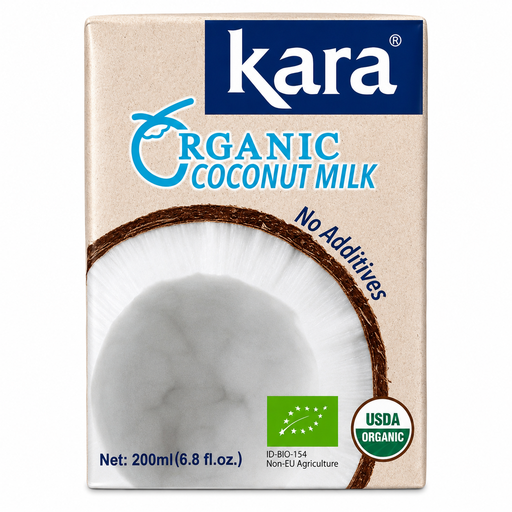 Image unavailable
Kara Organic Coconut Milk UHT, 17% fat, 200 ml
The 200 ml size is worth considering if the recipe calls for a small amount of coconut milk. Check the ingredients and any dietary exclusion information on the packaging.
View on Joybuy
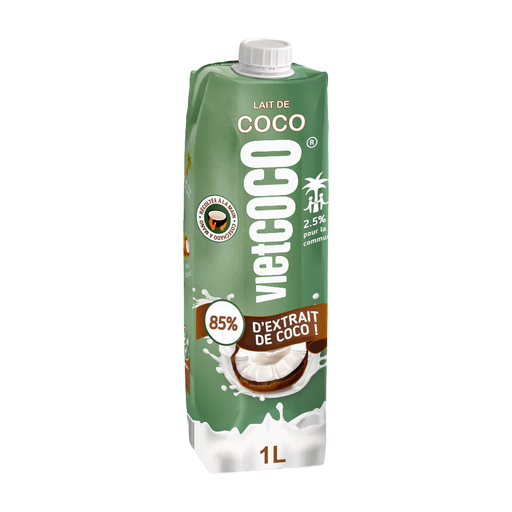 Image unavailable
Vietcoco Coconut Milk, 17–19% fat, 1 L
Compare the 1 L size with the amount needed for a family meal. Check the ingredients if you need to avoid additives or a specific ingredient.
View on Joybuy
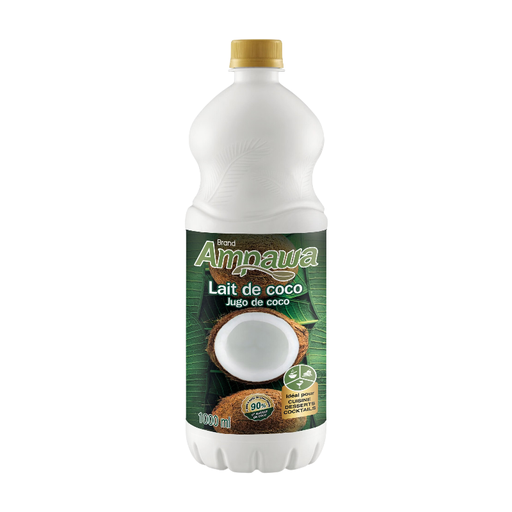 Image unavailable
AMPAWA Coconut Milk PET, 1 L
This size may suit a recipe that calls for plenty of coconut milk. Before using it for everyone, check the ingredients and warnings on the container.
View on Joybuy
 Image unavailable
AROY-D Coconut Milk Cooking, 19% fat, 400 ml
Compare this 400 ml coconut milk for cooking with the amount needed for a shared sauce or curry. Check the packaging for a ‘gluten-free’ requirement or any other dietary exclusion.
View on Joybuy
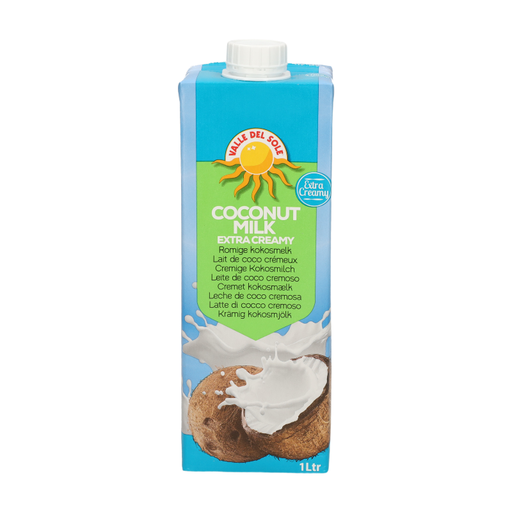 Image unavailable
VDS Creamy Coconut Milk 17%, 1 L
For a curry or soup that needs a large amount of coconut milk, compare this 1 L size with the recipe requirements. Read the ingredients if you want to avoid certain additives or ingredients.
View on Joybuy
Frequently asked questions
Is plant-based coconut milk automatically allergen-free?
No: ‘plant-based’ does not mean a product is suitable for every dietary exclusion. Coconut milk contains coconut, so check which ingredient each diner needs to avoid, then read the ingredients list and warnings on the product you buy.
What should I check if dinner needs to be gluten-free?
Look for a ‘gluten-free’ claim on the packaging of the coconut milk you choose. Also read the ingredients and warnings: the absence of cereals from the ingredients list is no substitute for this check.
Can I use a coconut plant-based drink instead of coconut milk for cooking?
Don’t assume they are interchangeable without checking the recipe and the products. For a curry or sauce, compare the stated use, the proportion of coconut extract and the fat content rather than relying on the word ‘coconut’ alone.
Should I choose an additive-free recipe for every family meal?
No: a short ingredients list reflects a preference about ingredients, not every dietary exclusion. If you want to avoid certain gums, read the ingredients list; check separately for allergens that may affect your diners.


