Hosts preparing a sauce or dessert
You want a creamy texture without using dairy cream or milk. For your recipe, distinguish culinary coconut milk from a coconut drink and compare their ingredients.


For an Easter sauce or dessert that needs a creamy texture, choose culinary coconut milk rather than a coconut drink: the products compared here have different coconut concentrations. Then choose a pack size that suits your recipe, and check the ingredients on the pack you buy if the meal needs to be dairy-free.
You want a creamy texture without using dairy cream or milk. For your recipe, distinguish culinary coconut milk from a coconut drink and compare their ingredients.
If a guest needs to avoid milk, the word ‘coconut’ isn’t enough: check the ingredients list and allergen information on the product you buy.
Whether you’re making one dish or several, compare the amount your recipes call for with the pack sizes available, and plan how to use any leftovers.
First, work out whether your recipe calls for culinary coconut milk or simply a coconut drink. Then check the ingredients and the amount you’ll need, especially if the meal must be dairy-free.
| Criteria | What to check | Who it matters to |
|---|---|---|
| Recipe texture | Distinguish culinary coconut milk from a coconut drink; compare the coconut extract and fat content per 100 ml. | For a creamy sauce or dessert, I want to choose a base that gives me the texture I’m looking for. Around 36 % of consumers would put this need first. |
| Dairy ingredients | Read the ingredients list and check the milk allergen information on the pack you buy. | When I’m cooking for someone who avoids milk, I need to check the exact product before serving it. This would be the top priority for around 29 % of consumers. |
| Amount needed | Compare the amount your recipe calls for with the pack sizes available, then check the storage instructions after opening. | If I’m making a small amount, I’d rather not open a pack if I don’t have a plan for using the rest. Around 21 % of consumers would prioritise pack size. |
| Ingredients | Compare the coconut extract, water and any thickeners in the ingredients list. | If I want to limit added ingredients, I compare the recipes without assuming that a shorter list will suit every dish better. Around 14 % of consumers would put this preference first. |
The coconut Greek-style yoghurt featured by E.Leclerc contains milk, cream and milk proteins, among other ingredients. So you can’t judge what’s in it by its flavour.
Before cooking for a guest who avoids milk, check the ingredients and allergen information on the pack.
The Alpro drink featured by Carrefour contains 5,3 % coconut milk and 0,9 g of fat per 100 ml. Its ingredients differ from those of the culinary coconut milks compared here, so it may not give a sauce the texture you expect.
If your recipe needs a creamy base, compare culinary coconut milks first. Use a coconut drink for recipes that can work with a different texture.
A small batch of sauce could leave a substantial amount in a 400 or 500 ml pack to use after the meal.
Work out how much you need and follow the storage instructions for the product you buy once it’s open.
The products featured by Auchan, Carrefour and E.Leclerc include recipes with and without a declared thickener. This alone won’t tell you how your recipe will turn out.
If the ingredients matter to you, also compare the proportion of coconut extract and the amount you need.
The Auchan listing includes organic culinary coconut milk in a 200 ml carton.
Carrefour offers organic culinary coconut milk in a 330 ml carton.
E.Leclerc offers culinary coconut milk in a 400 ml tin.
The product featured by Carrefour is a plant-based coconut drink, which is different from culinary coconut milk.
The own-brand range includes a UHT Coco Cuisine cooking preparation, sold in a pack of three 20 cl cartons.
These products are suited to Easter cooking, with coconut milk in small and large pack sizes, as well as coconut cream. Choose according to the amount and type your recipe calls for; coconut cream isn’t the same as coconut milk.
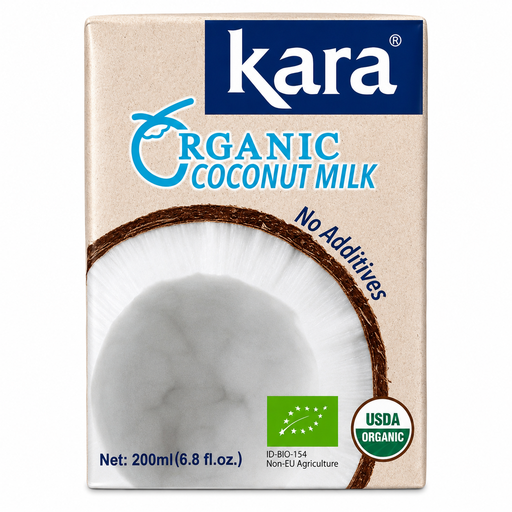 Image unavailable
The 200 ml pack is worth considering for a recipe that needs a small amount of culinary coconut milk.
The product title states 17 % fat. If this matters for your recipe, check the nutritional information on the pack. Also check the ingredients and allergen information on the pack you buy.
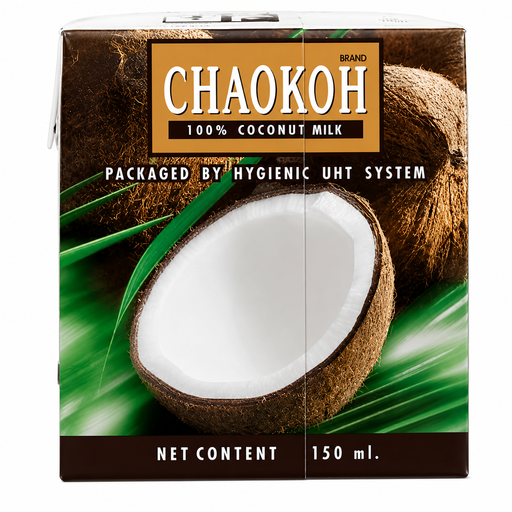 Image unavailable
The 150 ml pack could be a good choice when your recipe needs only a little coconut milk.
The product title states 18 % fat. Before cooking dairy-free, check the ingredients and allergen information on the pack you buy.
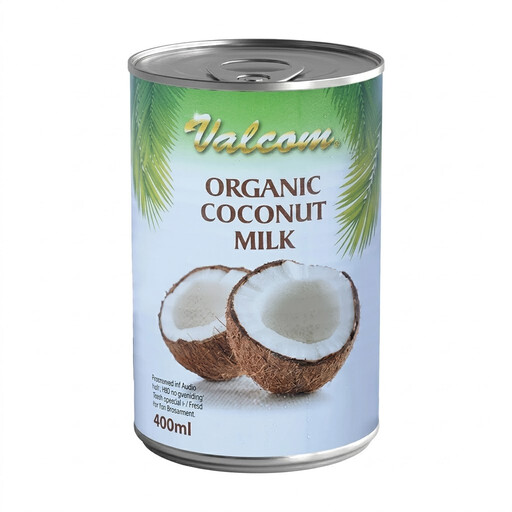 Image unavailable
Consider the 400 ml pack if you’re making several dishes that need culinary coconut milk.
Compare this amount with what your recipes call for and check the storage instructions after opening. For a dairy-free meal, check the ingredients and allergen information on the pack.
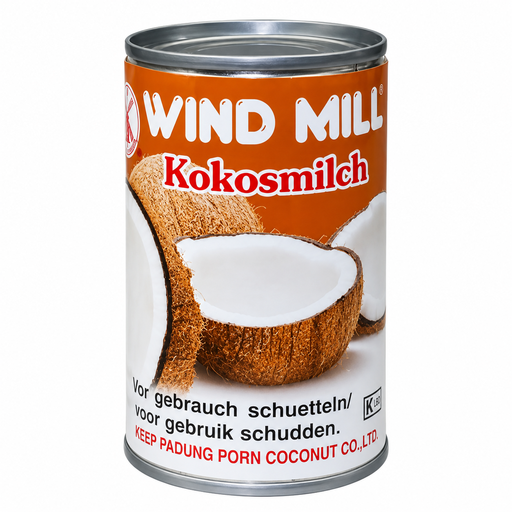 Image unavailable
Compare this 165 ml tin with the amount needed for a small dish.
Before choosing it for a dairy-free meal, read the ingredients and allergen information on the tin you buy.
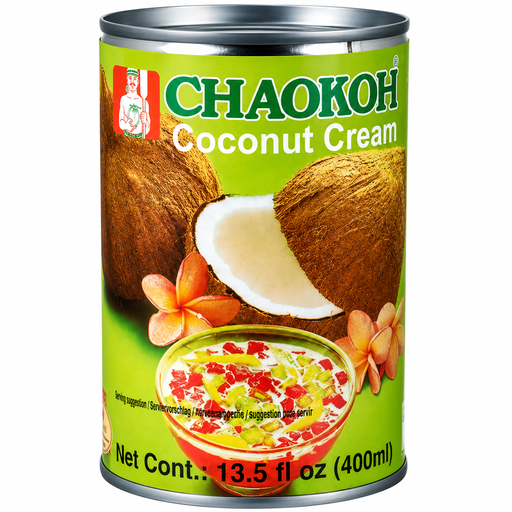 Image unavailable
Choose this coconut cream if your recipe calls for cream rather than coconut milk; the difference matters, particularly for the texture you want.
The product title states 22 % fat and a 400 ml pack size. Check how much you need, and read the ingredients and allergen information on the pack you buy.
No. The coconut Greek-style yoghurt featured by E.Leclerc contains whole milk, cream and milk proteins. Check the ingredients of the exact product rather than relying on its flavour.
Start with the amount specified in your recipe. The products featured by E.Leclerc and Auchan include 200 ml cartons; compare their ingredients too, so you can choose a pack size that helps minimise leftovers.
Only if your recipe can work with a different texture. The Alpro drink featured by Carrefour contains 5,3 % coconut milk and 0,9 g of fat per 100 ml; the Kara, Carrefour Bio and Tables du Monde culinary coconut milks compared here have different ingredients. For a creamy sauce, check what your recipe calls for before making a substitution.
Follow the instructions on the product you buy, rather than assuming there’s one storage time for every brand. The Kara listings featured by Auchan say to refrigerate the product and use it within three days of opening.
Before preparing the meal, check the ingredients and allergen information on the packaging of the batch you buy. France’s Directorate-General for Competition Policy, Consumer Affairs and Fraud Control (DGCCRF) states that allergenic ingredients must be highlighted. The words ‘plant-based’ or ‘coconut’ alone don’t confirm that a product is suitable for your guest.