For anyone looking for a coconut drink
A carton drink for breakfast or to add to coffee serves a different purpose from concentrated coconut milk for cooking. Compare the sugars and ingredients in the product you’re considering.


Choose a coconut drink if you’re mainly looking for something to drink, and coconut milk for cooking if your recipe needs a creamier texture. For lactose-free shopping, check the ingredients and allergens on the packaging of the product you choose. For storage, distinguish the date for an unopened product from the instructions to follow after opening. The term “filtered” isn’t enough to confirm these details.
A carton drink for breakfast or to add to coffee serves a different purpose from concentrated coconut milk for cooking. Compare the sugars and ingredients in the product you’re considering.
For a curry, sauce or dessert that needs a creamy texture, check the coconut content and fat content of coconut milk intended for cooking, as well as how much your recipe requires.
If the length of the ingredients list, additives or organic status influence your choice, compare products individually. The product name doesn’t replace checking the ingredients and allergens listed on the packaging.
First decide whether you’ll use the coconut product as a drink or as a cooking ingredient. Then compare the ingredients and check the storage instructions for the product you choose.
| Criteria | What to check | Who is it for? |
|---|---|---|
| For drinking | The product description “coconut drink”, the pack size and the nutritional values per 100 ml or 100 g, as shown on the label. | If I’m looking for coconut to drink at breakfast or add to coffee, I want to distinguish it from a sauce base. Around 40% of consumers prioritise this use. |
| Texture when cooking | The proportion of coconut extract, the fat content and the amount needed for the recipe. | For a curry or creamy dessert, what I mainly need is coconut milk suited to cooking. Around 40% of consumers are said to prioritise this. |
| Ingredients | The ingredients list, highlighted allergens and, if it matters to your choice, the “no added sugars” claim, which you should compare with the “sugars” line. | If I prefer a short ingredients list or an organic product, I compare the recipes without assuming they’re all suitable for the same use. Around 20% of consumers are said to put ingredients first. |
The carton drinks and cooking coconut milks mentioned here have different proportions of coconut and different fat contents. A drink chosen to be enjoyed on its own won’t necessarily give a sauce the texture you expect.
Start with your recipe, then compare the product descriptions and coconut content of the options you’re considering.
Carrefour Bio’s product listing states that its coconut drink with no added sugars contains naturally occurring sugars. The two claims don’t mean the same thing.
If sugars are a factor in your choice, also check their value in the nutritional information for the product you buy.
The name of a coconut drink or coconut milk doesn’t tell you everything about its ingredients. If you need to avoid milk or have an allergy, check the specific product.
Check the ingredients list and highlighted allergens on the packaging rather than relying on a search filter.
The date on an unopened product doesn’t, by itself, tell you how to store it once opened. Neither the pack format nor the term “filtered” tells you how long it will keep.
Check the date and follow the storage instructions for the product you buy.
The unsweetened Alpro coconut plant-based drink featured by Carrefour comes in a 1 L carton and is intended to be drunk.
This organic coconut drink comes in a 1 L carton and is labelled “no added sugars”.
The organic Bio Village coconut milk featured by E.Leclerc comes in a 200 ml pack and is intended for cooking.
E.Leclerc lists this Tables du Monde coconut milk in a 200 ml carton for cooking.
ALDI France lists Asia Green Garden coconut milk in a 400 ml pack.
These products are coconut milks in pack sizes intended for cooking. If you’re looking instead for a drink to pour into a glass or add to coffee, bear this difference in use in mind. For each product, check the packaging for information about lactose and any storage instructions relevant to your purchase.
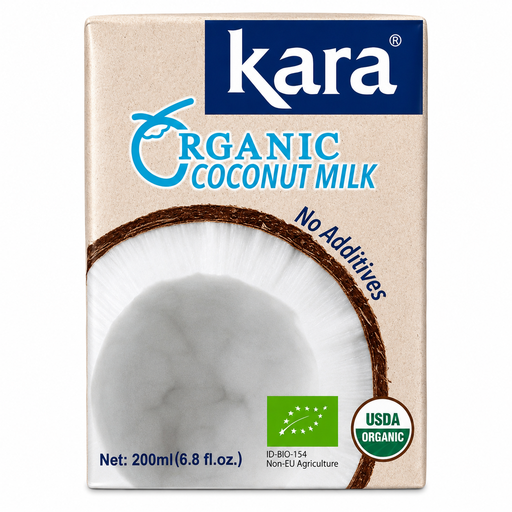 Image unavailable
The 200 ml pack is suitable if your recipe calls for a small amount of coconut milk. This product is described as organic and UHT, with 17 % fat. Check the storage instructions and ingredients on the packaging of the product you buy.
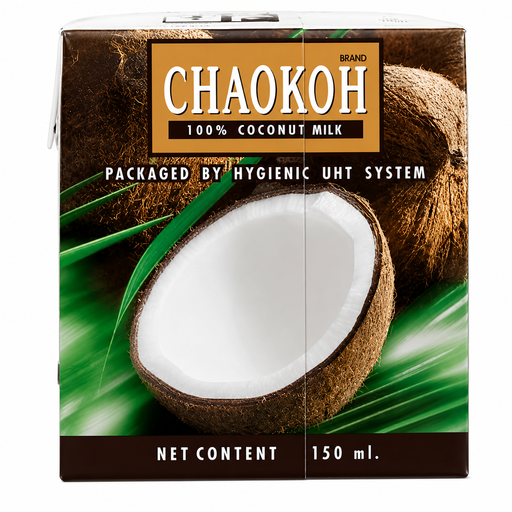 Image unavailable
This 150 ml pack may suit a recipe that needs a small amount of coconut milk. The product name states 18 % fat. Check its ingredients and allergens if avoiding lactose is essential to your choice.
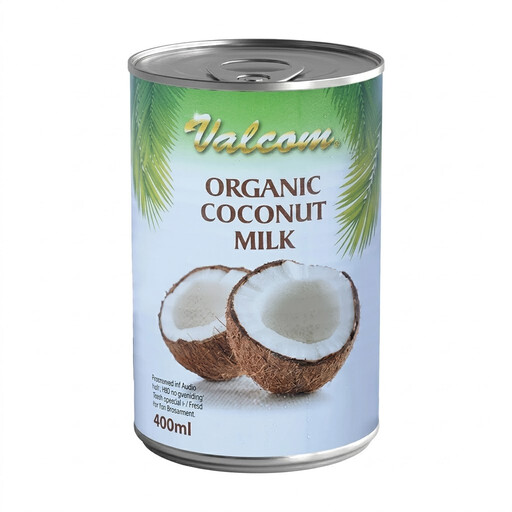 Image unavailable
This 400 ml pack of organic coconut milk is suited to recipes that need this amount. Compare its ingredients list and check the date and storage instructions on the packaging.
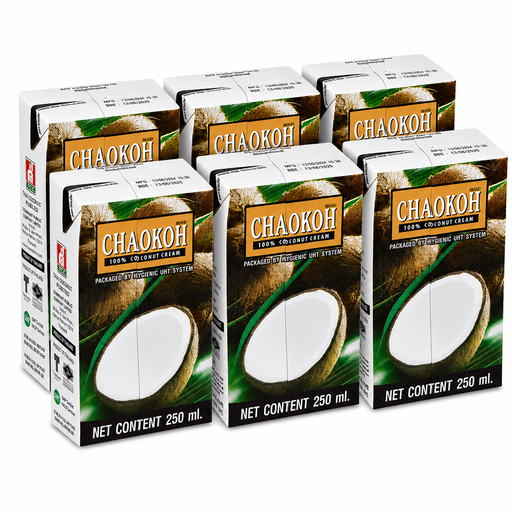 Image unavailable
This pack of six 250 ml cartons may suit several cooking preparations. The product name states 18 % fat. Check the ingredients, allergens and storage instructions for each carton before use.
No: the word “coconut” alone doesn’t confirm the ingredients of the product you buy. Check its ingredients list and highlighted allergens on the packaging, especially if your choice is also related to an allergy to milk proteins.
It’s mainly how they’re used: the carton coconut drinks mentioned here are intended to be drunk, while the cooking coconut milks featured by E.Leclerc contain a higher proportion of coconut extract for recipes. To choose a specific product, compare its ingredients and fat content, as well as the amount your recipe needs.
Check the date on the unopened packaging, then read the separate instructions for after opening. Neither the pack size nor the term “filtered” replaces the storage instructions for the product you choose.
No: an ordinary coconut drink isn’t designed as a substitute for feeding infants. Anses warns that replacing breast milk or suitable formula with other drinks may pose risks for children from birth to one year old.