For a noticeable coconut flavour
If you want the coconut to stand out in your crêpe batter, the percentage of extract shown on the packaging is a useful point of comparison. However, it doesn’t measure how the crêpes will taste once cooked.


For Candlemas crêpes, start by comparing culinary coconut milks by their product description and the proportion of coconut extract, rather than looking for the words ‘mature’ or ‘aged’. Carrefour Bio at 76% and Tables du Monde, sold by E.Leclerc, at 81% provide useful points of comparison for their composition, but don’t guarantee a particular flavour. Coconut cream and coconut drinks are not automatically interchangeable with culinary coconut milk in the same recipe.
If you want the coconut to stand out in your crêpe batter, the percentage of extract shown on the packaging is a useful point of comparison. However, it doesn’t measure how the crêpes will taste once cooked.
If you prefer to check exactly what’s in your cooking ingredient, read the full ingredients list, especially to spot thickeners or other added ingredients.
If you’re only planning to make one batch, compare the amount your recipe needs with the pack size, and check the storage instructions for after opening.
When choosing a coconut-based product for Candlemas crêpes, first check its category, then its ingredients, and finally how much you’ll need.
| Criteria | What to check | Who is it for? |
|---|---|---|
| Coconut extract content | Compare the descriptions of culinary products and their coconut extract percentages; don’t mistake this figure for a measure of flavour. | I want the coconut to come through in my crêpes, but I know the recipe also affects the result. Around 40% of consumers prioritise a distinct coconut flavour. |
| Ingredients | Read the ingredients list and allergen information; distinguish between culinary coconut milk, coconut cream and coconut drinks. | Before making the batter, I want to know whether the product contains any ingredients I prefer to avoid. Checking the ingredients is a priority for around 30% of consumers. |
| Pack size and storage | Match the recipe’s required amount to the pack size, and check the product’s own storage instructions for after opening. | If I’m only making one batch, I could be left with an opened carton I won’t use in time. Choosing a suitable pack size comes first for around 30% of consumers. |
The Alpro coconut drink featured by Carrefour contains 8.6% coconut milk. Carrefour Bio and Tables du Monde culinary coconut milks contain 76% and 81% coconut extract respectively. These product descriptions refer to different compositions.
For your batter, check the product category and follow a recipe designed for the one you’re buying, rather than swapping liquids like for like without adjusting the recipe.
These words don’t tell you the percentage of coconut extract or provide comparable information about the product’s ingredients.
If you’re looking for a stronger coconut flavour, start with the product description and information on the label. Don’t treat the proportion of extract as a guarantee of flavour.
A carton sized for several recipes could leave you with leftovers after making just one batch. Storage instructions vary by product.
Work out how much your recipe needs, then follow the storage time and conditions shown on the packaging you’ve chosen.
The extract content describes a product’s composition, not the flavour or texture of your crêpes.
Use the percentage to compare products intended for the same purpose, then follow a recipe designed for culinary coconut milk.
A brand may offer products with different recipes and pack sizes. The information below applies to the products mentioned, not to the brand’s entire range.
E.Leclerc lists a 400 ml tin of Tables du Monde culinary coconut milk, with 81% coconut extract.
Carrefour lists a 330 ml carton of organic culinary coconut milk, with 76% organic coconut extract.
The 20 cl carton of Kara organic coconut milk listed by Auchan contains 64% organic coconut extract and water.
Auchan lists a 20 cl carton of Bjorg organic coconut milk, containing 51% coconut and 4% coconut water.
Auchan Coco Cuisine UHT cooking preparation comes as a pack of three 20 cl cartons, with 57% coconut extract.
These products include culinary coconut milks and coconut creams. For crêpe batter, first choose the category your recipe calls for, then compare pack sizes and the information provided for each product.
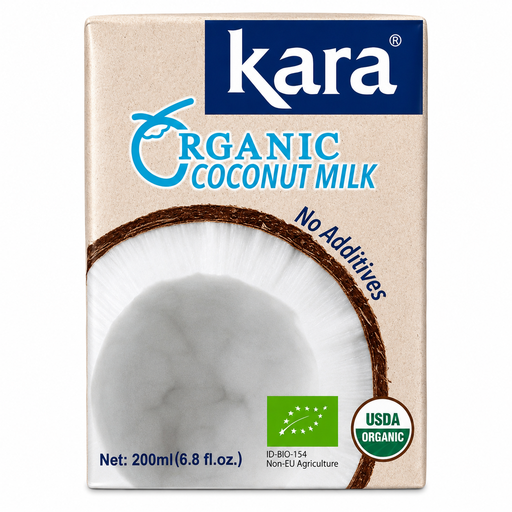 Image unavailable
This 200 ml carton of coconut milk may suit a recipe that needs a small amount of culinary coconut milk.
The product description specifies a UHT version with 17% fat. Check how much your batter needs before opening the carton.
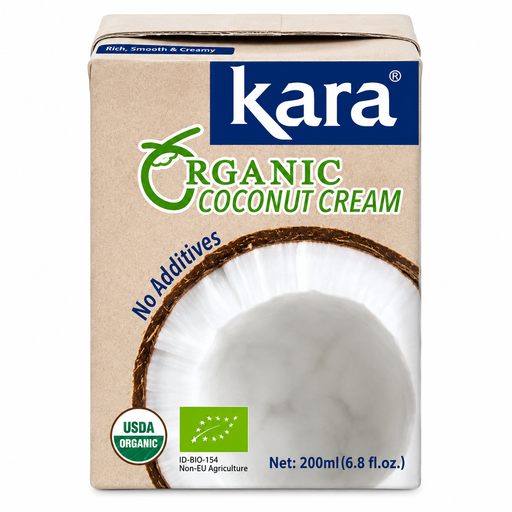 Image unavailable
This coconut cream is suited to recipes that call for cream rather than culinary coconut milk.
The carton contains 200 ml and its product description specifies 24% fat. If you use it in batter, follow quantities intended for coconut cream.
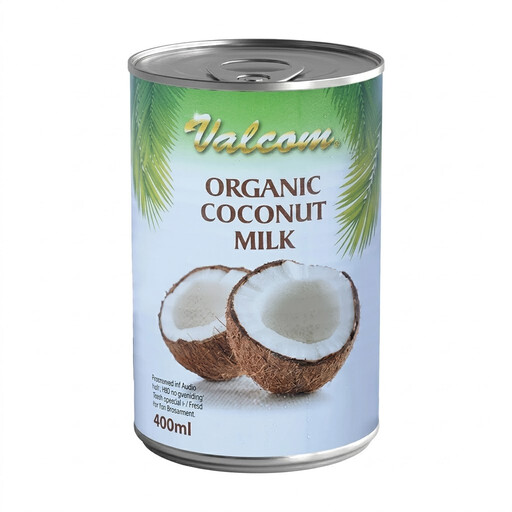 Image unavailable
This 400 ml pack of culinary coconut milk is worth considering if the amount in your recipe matches the tin or if you’re planning to make other dishes.
If you have any left over, follow the storage instructions on the product.
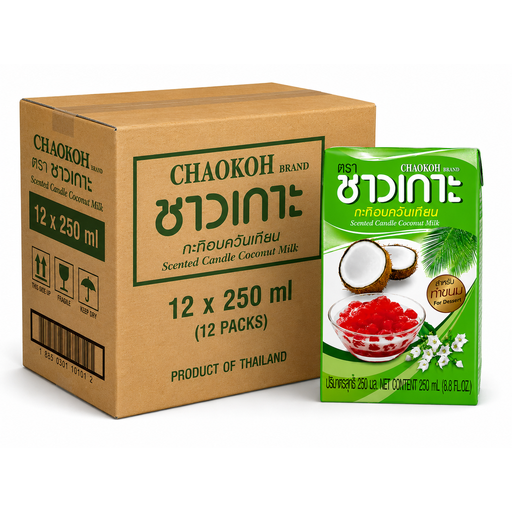 Image unavailable
This multipack of coconut milk for desserts is worth considering if you need several cartons, rather than just one portion for crêpes.
It contains 12 bottles of 250 ml; the title specifies 16–18% fat. Check the total amount you’ll need before choosing this pack size.
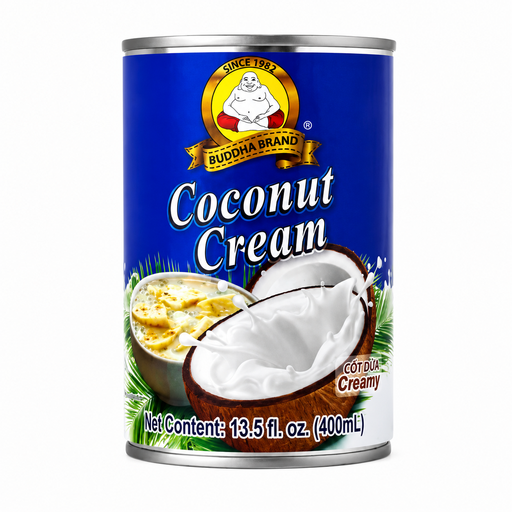 Image unavailable
This 400 ml coconut cream is worth considering for recipes that call for coconut cream.
The title specifies 20–22% fat. If your crêpe batter recipe calls for coconut milk, adapt the recipe rather than swapping the products directly.
First, read the product description, then check the ingredients. The Alpro coconut drink featured by Carrefour contains 8.6% coconut milk, while Carrefour Bio and Tables du Monde culinary coconut milks contain 76% and 81% coconut extract respectively. Choose the category your recipe calls for.
Check the product description, ingredients, quantity and any nutritional information that’s useful for your comparison. If allergens matter to you, also read the highlighted information on the packaging. The DGCCRF notes that allergenic ingredients must be clearly identified in the ingredients list.
Follow the storage time and conditions shown on the packaging of the product you’ve bought. These can vary from one product to another, so don’t assume the same time applies to all coconut milks. Bear this in mind when choosing a pack size.
Yes, as long as you follow a recipe designed for coconut milk. Gourmand Magazine, for example, features a batter made with coconut milk and water. Its quantities aren’t a universal rule for substituting ingredients in every recipe.
Not without taking the recipe and the product’s composition into account. The Carrefour Bio coconut cream featured by Carrefour contains 89% coconut extract, compared with 76% for its organic coconut milk. If you choose cream, use quantities suited to it rather than automatically swapping it in at the same volume.