Households making several desserts
If your recipes call for almost 3 L of coconut milk altogether, compare the sizes of cartons and multipacks before you buy. The 1 L formats let you spread out opening the containers as you prepare each dessert.


For a yule log, cream or entremets that calls for culinary coconut milk, choose coconut milk rather than a coconut plant-based drink. Save coconut cream for recipes that can accommodate its thicker texture. If several desserts need around 3 L in total, work out the amount for each recipe and gather suitable sealed containers, then check the ingredients and storage instructions for after opening.
If your recipes call for almost 3 L of coconut milk altogether, compare the sizes of cartons and multipacks before you buy. The 1 L formats let you spread out opening the containers as you prepare each dessert.
For a filling or entremets where coconut plays a key role, check the stated proportion of coconut extract and whether the recipe calls for milk or cream. This percentage alone won’t predict how the dessert will turn out.
Culinary coconut milk, coconut cream and coconut plant-based drinks are not the same ingredient. The product name and ingredients list will help you choose what your recipe calls for.
For Christmas baking, start with the type of ingredient each recipe calls for, add up the amounts you need, then compare the labels of suitable pack sizes.
| Criteria | What to check | Who is it for? |
|---|---|---|
| Texture and coconut flavour | Whether the product is labelled “milk” or “cream”, and the stated proportion of coconut extract; use the type specified in the recipe. | For a filling where the coconut needs to come through, I want to choose the ingredient the recipe calls for rather than automatically swapping milk for cream. Around 31% of consumers would make texture and flavour their top priority. |
| Volume and leftovers | The total volume needed for the recipes, the size of each container and the storage instructions after opening. | When several desserts need almost 3 L in total, I’d rather open the containers as I go. Volume and managing leftovers would be a priority for around 25% of consumers. |
| Ingredients | The ingredients list, any stabilisers and the allergens shown on the packaging. | If I’m comparing two culinary coconut milks, I want to know what each contains before following my recipe. Around 19% of consumers would put ingredients at the heart of their decision. |
| Product type | Whether the product is labelled “coconut milk”, “coconut cream” or “coconut plant-based drink”, as well as its ingredients. | When choosing between several coconut products, I want to avoid picking a drink when my recipe calls for culinary coconut milk. For around 25% of consumers, this distinction would be their main concern. |
Carrefour product listings for several culinary coconut milks state that they contain 63% to 85% coconut extract, while Auchan’s listing for a coconut plant-based drink states 3.2% coconut. These products have different compositions.
Before swapping ingredients in a yule log or cream, check the product type and ingredients specified in the recipe.
Once a container is open, the date printed on the unopened product is no longer enough to guide storage. Instructions for after opening vary between products.
Open containers as you need them for each recipe and follow the refrigeration and use-by instructions on each pack.
Opening more containers than you need can leave you with unused coconut milk after you’ve finished baking.
Ingredients vary between products: some list coconut and water, while others also include gums or an emulsifier. The ingredients list alone doesn’t determine how well a bake will turn out.
First choose the type of milk or cream and the volume you need, then compare the ingredients according to your preferences.
Culinary coconut milk listed by Carrefour in 500 mL and 1 L cartons.
Fluid culinary coconut milk in a 500 mL carton, listed by Carrefour.
Carrefour listings distinguish between 500 mL coconut milk and 200 mL thick coconut cream.
200 mL culinary coconut milk sold by E.Leclerc under its Marque Repère own-brand range.
Culinary coconut milk listed by Carrefour in a multipack of four 1 L cartons.
These culinary coconut milks and this coconut cream come in different sizes for Christmas desserts. First check whether each recipe calls for milk or cream, then work out how many units you’ll need to make up the total volume.
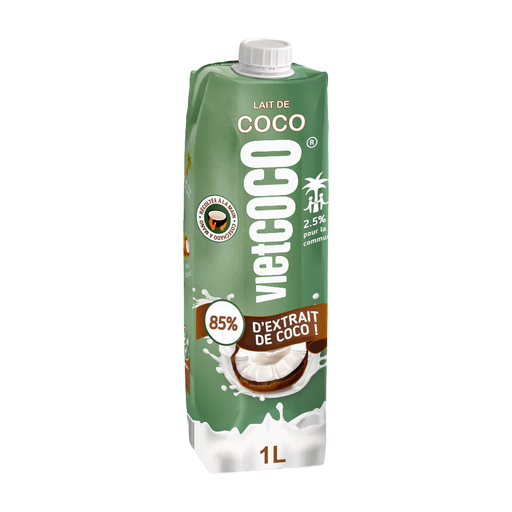 Image unavailable
A 1 L unit can count towards the volume you need for several desserts that call for coconut milk.
The product name states 17-19% fat. Check the storage instructions on the packaging before sharing it between several recipes.
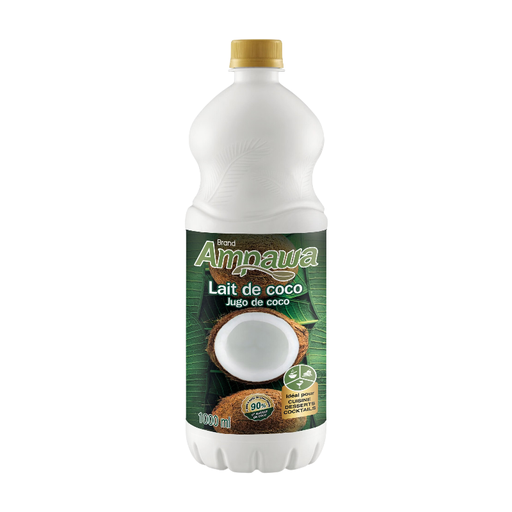 Image unavailable
If your recipe calls for coconut milk, several 1 L bottles can help you make up the amount you need for the whole family.
Check the ingredients list on the packaging if additives are a factor in your choice.
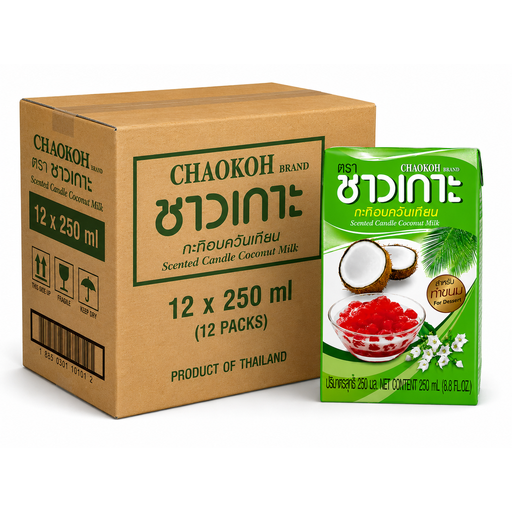 Image unavailable
This multipack adds up to 3 L in twelve 250 mL units, making it a good choice when you’re dividing the volume between several recipes rather than using one large bottle.
The product name states 16-18%. If you’re choosing based on stabilisers, check the ingredients list on the packaging.
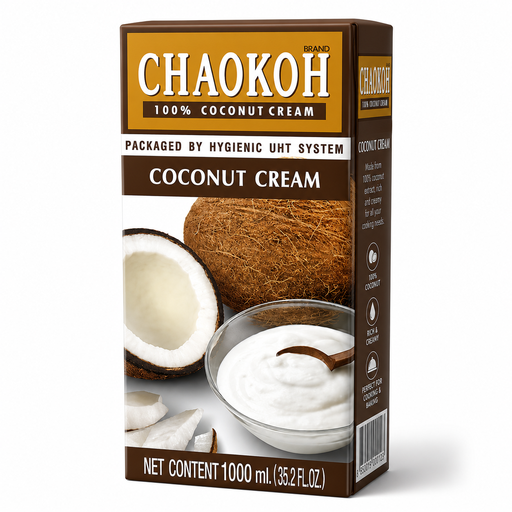 Image unavailable
This 1 L coconut cream is worth considering when a recipe calls for cream, rather than as an automatic substitute for coconut milk.
The product name states 23% fat. If the proportion of coconut extract is important to you, check it on the packaging.
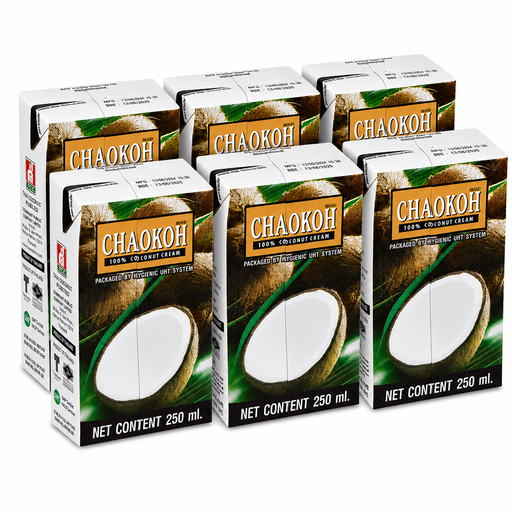 Image unavailable
The six 250 mL units let you measure out coconut milk separately for several recipes.
The multipack contains 1.5 L in total. If your recipes need almost 3 L, make sure you plan for the extra amount before buying.
Not automatically if the recipe calls for culinary coconut milk. Auchan’s listing for a plant-based coconut drink states that it contains 3.2% coconut, while Carrefour listings for several culinary coconut milks state that they contain 63% to 85% coconut extract. Check the type of product the recipe calls for before making any changes.
Add up the amounts required by your recipes, then choose sealed containers that add up to the amount you need. Three 1 L cartons give you 3 L of coconut milk; a pack of 12 × 250 mL also gives you 3 L, but you’ll have more individual units to open.
First read the product name, ingredients list and stated proportion of coconut, then check any other details that matter to your choice. The Directorate-General for Competition, Consumer Affairs and Fraud Control notes that allergenic ingredients must be highlighted on food labels.
After opening, follow the storage instructions for that specific product. The Directorate-General for Competition, Consumer Affairs and Fraud Control explains that the use-by date given for an unopened pack is no longer useful once it has been opened. Don’t assume that the instructions for another product apply.