
Livraison le jour même ou le lendemain

Qualité garantie

Débloquez vos offres de bienvenue: Livraison GRATUITE | Jusqu'à -80 % | 30 jours d'essai gratuits à JoyPlus
Téléchargez l'application
Standing in the world foods aisle, choosing the right coconut milk can be a real headache. Canned, cartoned, light, organic, powdered... How do you navigate the options to guarantee a perfect curry, a velvety soup, or an exotic dessert?
Our mission at Joybuy is simple: to help you see clearly. This guide breaks down the different options for you, without the unnecessary marketing jargon, to steer you toward the ideal product for your recipes.
The Joybuy Team, your product guide
Before diving into our selection, let's review a few essential criteria to ensure you make the right choice.
The number one criterion for distinguishing coconut milks is their fat percentage, which is directly dependent on their coconut extract concentration.
coconut milk for curry.light coconut milk, typically with a fat content between 5?% and 9?%, offers a more fluid texture. It's ideal for light soups, smoothies, marinades, or simply if you're looking to make your dishes lighter.Canned coconut milk (or cartoned) is the most common, ready-to-use format. Remember to shake the can or carton well before opening to re-homogenise the contents.
Powdered coconut milk, on the other hand, offers unbeatable flexibility. It keeps for much longer once opened and allows you to precisely control the desired consistency. By adjusting the amount of water, you can create a light beverage, a classic coconut milk, or even a thick coconut cream.
cooking with coconut milk.organic coconut milk guarantees it was grown without synthetic pesticides or chemical fertilisers.Let's get practical! Here is our selection of products, each tailored to a specific culinary need.
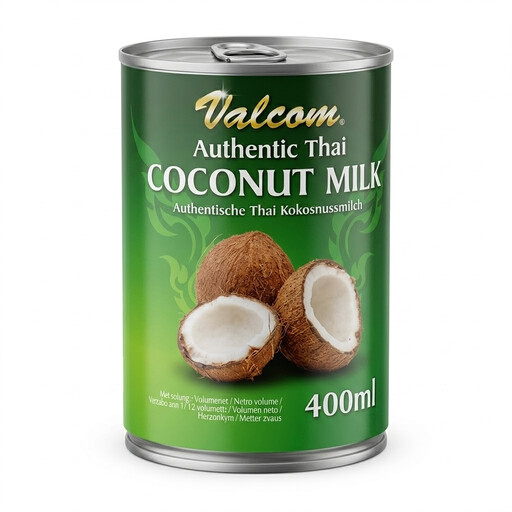
Its strong point: With 75?% coconut extract and 18?% fat, it delivers a richness and creaminess worthy of the best Southeast Asian recipes.
Advantages:
Who is it for? For those seeking a rich, authentic coconut milk, ideal for creating a Thai curry just like the real thing or for adding an unparalleled creaminess to a sauce.
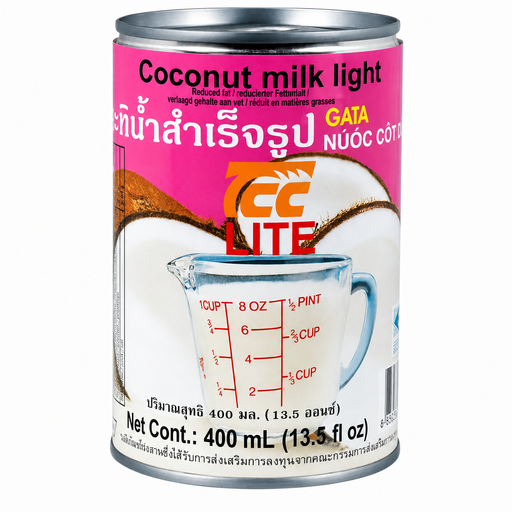
Its strong point: This light version has just 6.3?% fat. Its minimalist composition (water and coconut extract), with no artificial thickeners, guarantees a very natural product.
Advantages:
Who is it for? For those who want the great taste of coconut without the calories, or who need a more liquid base for their recipes.
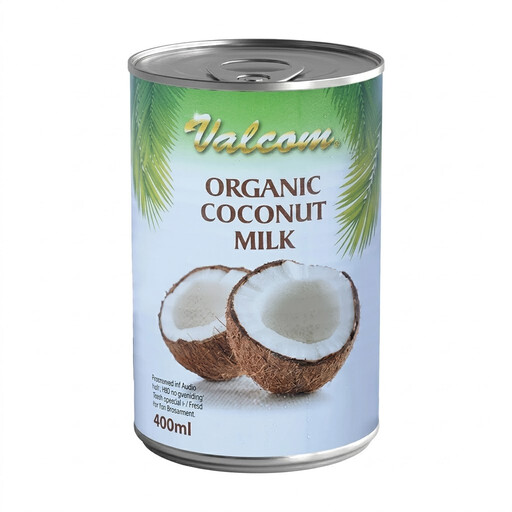
Its strong point: This organic coconut milk comes from Sri Lankan coconuts grown using organic farming methods. With 68?% coconut extract and 17.4?% fat, it makes no compromises between flavour and organic certification.
Advantages:
Who is it for? For discerning consumers who care about the origin of their ingredients and want a certified organic product without sacrificing taste or texture.
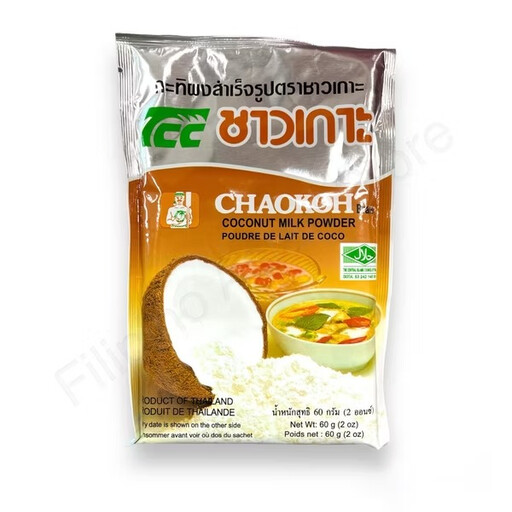
Its strong point: The ultra-practical powder format. It dissolves instantly in hot water and allows you to create a custom-made milk, as rich or light as you need.
Advantages:
Who is it for? For occasional cooks, those with small kitchens, or pastry chefs looking to master the consistency of their creations. Please note, it contains milk proteins and is therefore not suitable for strict vegan diets.
Our selection is just a sneak peek. Coconut cream, family-size formats, other brands... our catalogue is filled with options for all your culinary desires.
? Explore our full range of coconut milks and creams to find your perfect match.
It's all a matter of concentration and fat content. Coconut cream contains much less water, resulting in a higher fat content (often above 20-22?%). Thicker and richer, it's perfect for desserts or for adding maximum creaminess to a sauce right at the end of cooking. Coconut milk, in contrast, is more fluid.
Yes, technically. But be aware: its texture is much richer and fattier than a "coconut drink" you'd find in the refrigerated section. To drink it as is, it's more pleasant to dilute it with a little water or to opt for a light version directly.
Most importantly, do not leave it in its metal can! Transfer it to an airtight container (glass or plastic) and store it in the refrigerator. It will keep for 3 to 4 days. Don't be surprised if the fatty part (the cream) solidifies on the surface in the cold: this is completely normal. A quick stir with a spoon, and you're all set