Anyone making a coconut dessert
For a cake or custard, the quantity specified in the recipe and the product description ‘coconut milk’ matter more than the word ‘coconut’ alone on the packaging.


For a cake or dessert, choose coconut milk for cooking; if you’re filling glasses, look for a coconut drink instead. Before buying, clarify the quantity you need when you see “6 pint”, check the volume of each unit and compare the ingredients with any dietary restrictions shared for the children. A multipack totalling 3 L is not the same as a 3 L bottle.
For a cake or custard, the quantity specified in the recipe and the product description ‘coconut milk’ matter more than the word ‘coconut’ alone on the packaging.
If the product is going to be poured into glasses, a 1 L coconut drink is intended for a different use from coconut milk for cooking. You’ll also need to match the pack size to the number of portions you’re planning.
For children attending the party, compare the guidance shared by their families with the ingredients and allergen information for the exact product you buy. ‘Plant-based’ or ‘lactose-free’ alone won’t cover every dietary restriction.
First decide whether you’ll use the coconut in a recipe or serve it as a drink. Then work out how much you need and check each product against your guests’ dietary restrictions.
| Priority | What to check | Who is it for? |
|---|---|---|
| Recipe or drink | The product description and intended use: coconut milk for cooking or a coconut drink. | If I’m making a dessert or serving drinks, I want to buy a product that’s right for the occasion; around 50% of consumers would make this their priority. |
| Ingredients and allergies | The ingredients list and allergen information on the packaging of the product you buy, checked against any stated restrictions. | If any children attending have dietary restrictions, I need to be able to check the exact product before serving it; this would be a priority for around 30% of consumers. |
| Quantity and pack size | The total quantity you need when you see “6 pint”, the volume per unit and, for a multipack, the number of units. | If the party spread involves a lot of preparation or drinks, I want to make sure I have enough without confusing a multipack with one large container; around 20% of consumers would prioritise this. |
These products aren’t necessarily made for the same purpose or with the same ingredients. Carrefour, for example, lists coconut milk for cooking in 200 and 330 mL packs, while Auchan lists a 1 L Alpro coconut and rice drink.
Start with the recipe or how you plan to serve it, then check the product description and pack size of your chosen product.
A ‘lactose-free’ label won’t cover every allergy or dietary restriction. You need to check the ingredients for each product.
Ask families about any restrictions and check the ingredients and allergen information on the packaging before serving the product.
Twelve 250 ml bottles add up to 3 L, but they’re twelve separate units. And that total alone doesn’t tell you how to interpret the quantity given as “6 pint”.
Be clear about the quantity you need and its unit, then work out how many containers to buy using the volume shown on each one.
Carrefour lists coconut milk for cooking in a 200 mL bottle and a 330 mL carton of Carrefour Bio.
The Alpro coconut and rice drink and unsweetened coconut drink listed by Auchan are 1 L plant-based drinks, not coconut milk for cooking.
Aldi lists 400 mL Asia Green Garden coconut milk, another size to consider for cooking.
These products are coconut milks intended for use in recipes. Their pack sizes let you compare individual units and multipacks for a party dessert; this isn’t a selection of plant-based drinks to serve.
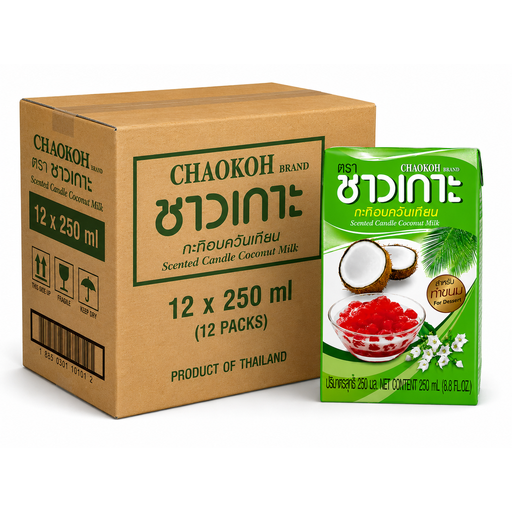 Image unavailable
For a dessert that calls for coconut milk for cooking. The pack of 12 250 ml units totals 3 L. Check the quantity required by the recipe and the ingredients on the packaging.
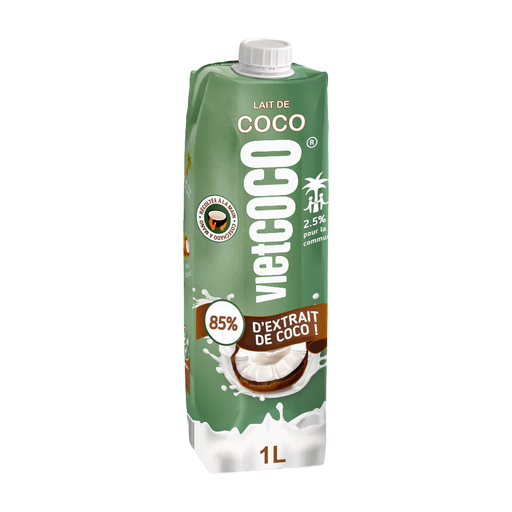 Image unavailable
A 1 L size to consider for a coconut milk recipe. Work out the total quantity you need before deciding how many units to buy, and check the label for dietary restrictions.
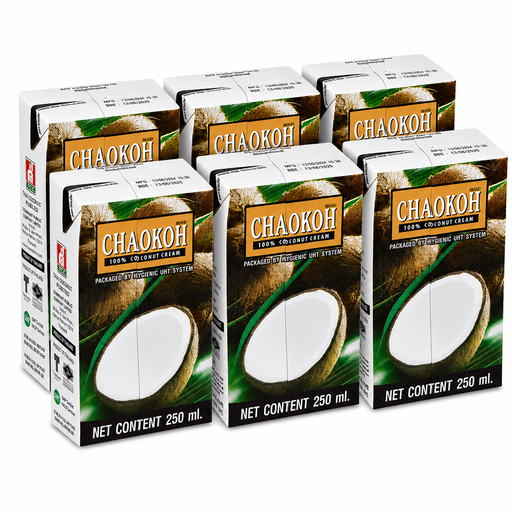 Image unavailable
A pack of smaller units for measuring coconut milk into a recipe. The six containers total 1.5 L. Compare this with the quantity you need and check the ingredients on the packaging.
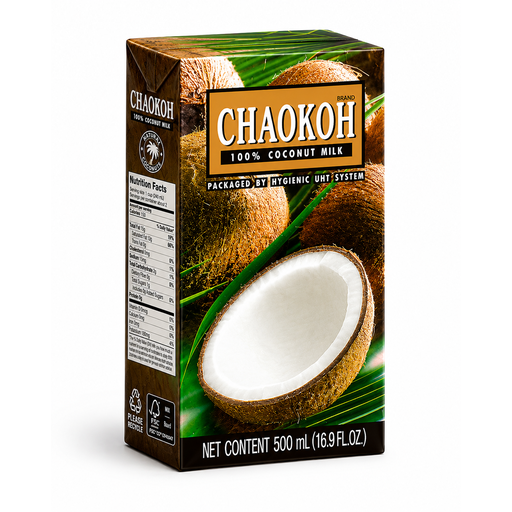 Image unavailable
A 500 ml carton for a recipe that calls for coconut milk. If you need more than one carton, work out how many you’ll need from the recipe volume and check the label on each one.
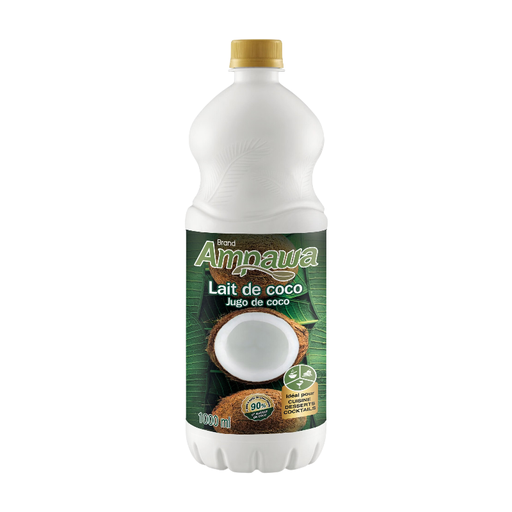 Image unavailable
A 1 L bottle to compare with the amount needed for a coconut milk recipe. If any dietary restrictions have been shared, check the ingredients and allergen information on the packaging.
No. Don’t swap one for the other without checking its intended use and ingredients. Carrefour lists coconut milk for cooking in 200 and 330 mL packs, both containing 76% coconut extract, while the Alpro coconut and rice product listed by Auchan is a 1 L plant-based drink. For a dessert, follow the recipe; for serving in glasses, choose a product made to be drunk.
No. This label doesn’t cover every dietary restriction. Ask families what you need to take into account, then check the ingredients and allergen information on the exact product you buy before serving it.
Work out how many units you need once you’ve chosen a recipe or decided how much to serve. For every product you buy, follow the date and storage instructions on its packaging, particularly after opening.