
Livraison le jour même ou le lendemain

Qualité garantie

Débloquez vos offres de bienvenue: Livraison GRATUITE | Jusqu'à -80 % | 30 jours d'essai gratuits à JoyPlus
Téléchargez l'application
A star ingredient in global cuisines, coconut milk provides an unparalleled creaminess and exotic flavour. But when you're standing in the supermarket aisle, disaster strikes: between cans, cartons, and powders, how do you know which to choose? The wrong choice can turn your Thai curry into a bland soup or leave your dessert lacking richness.
Our editorial mission? To help you see things more clearly. We're cutting through the marketing jargon and focusing on what really matters. Here is our guide to avoiding the common pitfalls and finally choosing THE coconut milk that will truly elevate your dishes.
To avoid ruining a recipe, it's best to know the most common mistakes people make when buying coconut milk.
Light coconut milk isn't the enemy, but you need to know how to use it. While it's perfect for a smoothie or a light marinade, its low fat content makes it incapable of providing the essential creaminess for an authentic coconut milk for curry.To buy coconut milk with confidence, there are three key points to look for on the label.
This is THE decisive factor, as it determines the texture and richness of your dish.
Coconut cream, which is even more concentrated, often exceeds 20%.Quality coconut milk should only contain two things: coconut extract and water. The percentage of coconut extract, when listed, is an excellent indicator of quality.
The presence of additives like guar gum (E412) or polysorbate (E435) isn't a deal-breaker; they act as stabilisers to prevent the fat from separating from the water. However, a clean ingredient list is often a sign of superior quality. Organic coconut milk options generally limit these additions.
By applying these criteria, here are a few products that stand out, each tailored to a specific need.
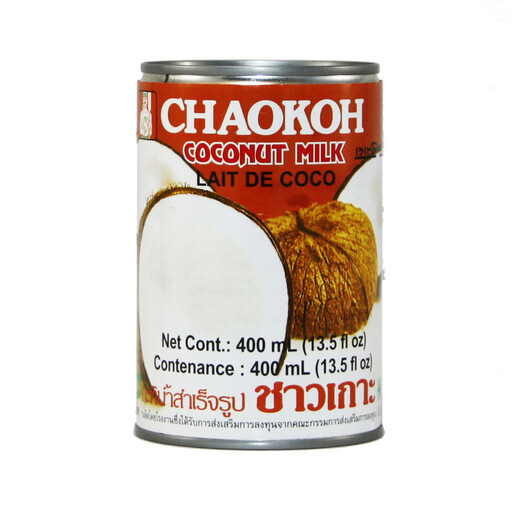
Why we recommend it: This is a reliable choice for any coconut milk recipe. With its 400 ml size and a fat content of 17.1%, it's the perfect all-rounder for curries and soups alike.
Its generous fat content guarantees true richness. Say goodbye to the watery texture of overly diluted milks.
An authentic coconut flavour and creamy texture have made Chaokoh coconut milk a staple in Asian grocery stores.
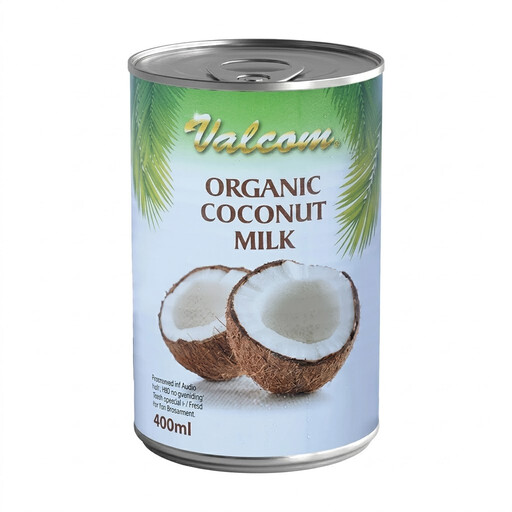
Why we recommend it: Perfect for those seeking organic certification and a flawless ingredient list. This organic coconut milk gets straight to the point: a pure, no-frills taste.
With its minimalist ingredient list and organic certification, it steers clear of unnecessary additives.
The peace of mind of an organic product with an unadulterated coconut flavour. Its 17.4% fat content makes it just as effective for demanding recipes.
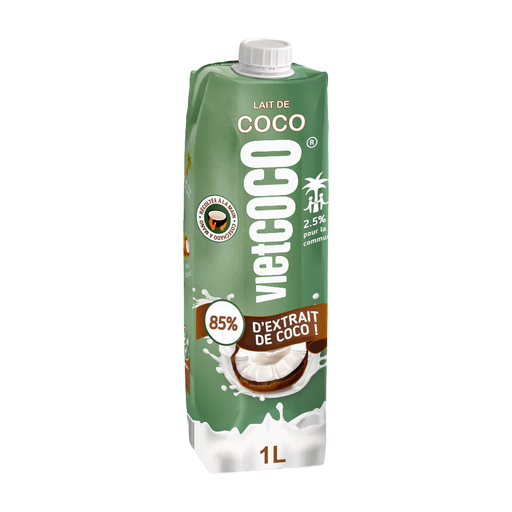
Why we recommend it: For families, Asian cuisine enthusiasts, or professionals, this 1L carton is the smartest choice: economical, practical, and perfect for regular use.
No more waste or half-empty cans lingering in the fridge! Its resealable cap allows you to use it multiple times and store it properly.
Excellent value for money and a consistently high fat content (17-19%), ensuring a flawless result every time.
Discover our complete selection of products that meet our quality criteria and current regulations.
It's all a matter of concentration and fat content. Coconut cream is richer (often over 20%) and denser because it contains less water. The milk is slightly more diluted. Cream is often reserved for desserts or for adding an ultra-creamy finishing touch to a dish.
Yes, and it's actually a good sign! This natural phenomenon, known as phase separation, is common in products with few or no additives (emulsifiers). The solid part on top is the cream (the fat), and the liquid underneath is the coconut "water." To get a smooth texture, simply shake the can/carton well before opening, or gently heat the contents while stirring.
Once opened, coconut milk must be stored in the refrigerator. If it came from a metal can, transfer it to an airtight container (glass or plastic) to prevent it from taking on a metallic taste. It will keep for 3 to 4 days without any issues.