The world foods aisle can sometimes be overwhelming. Faced with shelves full of cartons and cans, one question often comes to mind: which coconut milk should I choose? Between coconut cream, light milk, organic versions, and different fat contents, it's easy to feel lost. The wrong choice can ruin the texture of your curry or leave your dessert lacking that essential creaminess.
As a product expert at Joybuy, my role is to help you make sense of it all. This guide breaks down the available options so you can confidently choose the ideal product for your next culinary creation, whether it's an exotic dish, a pastry, or a refreshing drink.
Choosing Your Coconut Milk: 3 Key Criteria
To ensure you never make a mistake again, here are the essential criteria to check before adding a product to your cart.
1. Coconut Milk vs. Coconut Cream: A Matter of Consistency and Fat
The fundamental difference lies in their fat content, which determines their texture and how they're used in cooking.
- Coconut milk: More fluid, it generally contains between 10% and 18% fat. It's the ultimate versatile ingredient for everyday cooking. It's perfect for thinning out soups, preparing marinades, or as a liquid base for smoothies and drinks.
- Coconut cream: Thicker and richer, its fat content is higher, often over 20%. Its creaminess is ideal for adding body and richness to a curry, velvety sauces, or decadent desserts like panna cottas and mousses.
2. Organic, Light, or Classic: A Product for Every Need
Your choice will also depend on your dietary preferences and the type of dish you're preparing.
- Light coconut milk: With a reduced fat content (often between 5% and 9%), this is a great option for those who want lighter dishes without sacrificing coconut flavour. It works well in clear soups or less rich curries.
- Organic coconut milk: If you prefer products from organic farming, organic coconut milk is for you. It's made from coconuts grown without synthetic pesticides, offering a flavour often perceived as purer and more authentic.
- Classic coconut milk: This is the all-rounder, offering a good balance of flavour and creaminess for most uses.
3. The Ingredient List: The Ultimate Mark of Quality
A quick glance at the label speaks volumes about the product's quality. Ideally, good coconut milk contains only two ingredients: coconut extract and water. Some products may contain additives like stabilisers (guar gum, xanthan gum) or emulsifiers to prevent the fat from separating from the water. While these additives aren't a deal-breaker, a short ingredient list remains the best guarantee of a minimally processed product.
Coconut Milk and Cream Picks
To help you make your choice, here is our selection of products to suit every need.
Kara Organic UHT Coconut Cream 24% Fat 200 ml
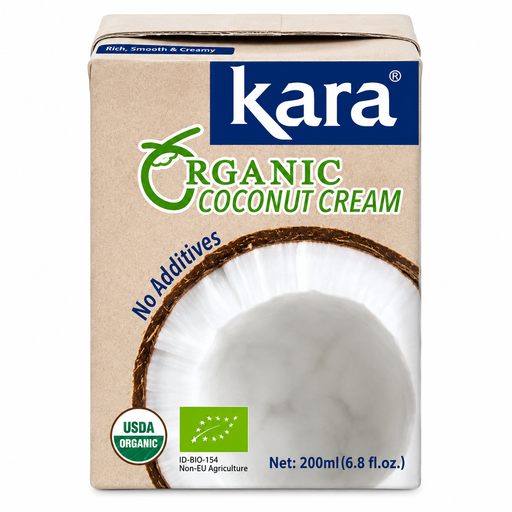
- Why we love it: This coconut cream stands out for its richness and minimalist ingredients. Its high fat content and organic certification make it a top choice for dishes where creaminess is paramount.
- Highlights:
- High fat content: 24% for an ultra-creamy texture.
- Simple ingredients: Organic coconut extract (90%) and water.
- Lactose-free, gluten-free, with no stabilisers or preservatives.
- Convenient 200 ml size, perfect for avoiding waste in smaller recipes.
- Who is it for?: For cooks seeking a rich texture and intense flavour to elevate their curries, sauces, or vegan desserts.
CHAOKOH Light Coconut Milk 6% Fat 400 ml
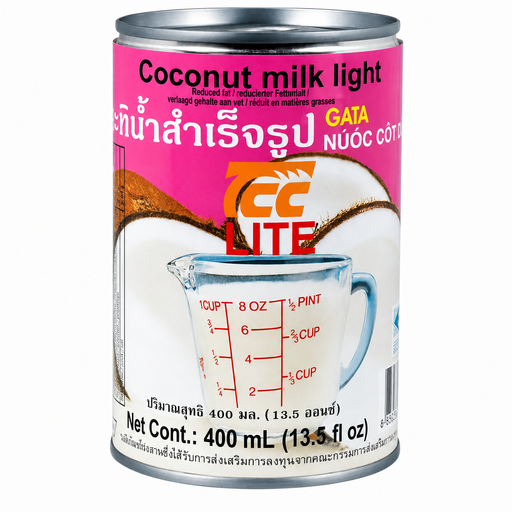
- Why we love it: This light coconut milk is the perfect solution for enjoying coconut flavour without racking up the calories. Its fluid consistency makes it very easy to use.
- Highlights:
- Low fat content: only 6.3%.
- Smooth and fluid texture, perfect for soups and light sauces.
- Simple ingredients: Water and coconut extract.
- Economical 400 ml size for family-sized recipes.
- Who is it for?: For those watching their calorie intake or preparing dishes where an overly thick texture is not desired, like clear Thai soups.
KARA Classic UHT Coconut Milk 17% Fat 400 ml
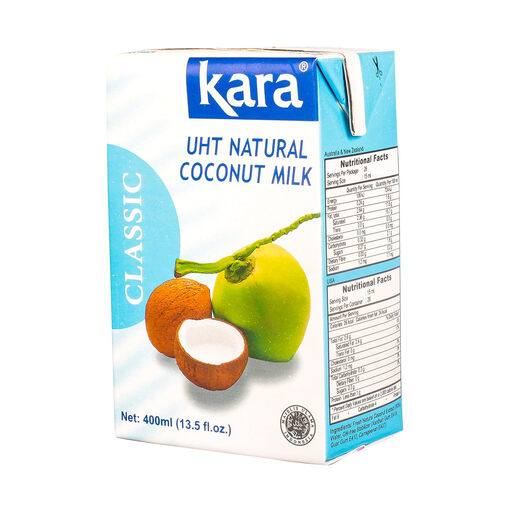
- Why we love it: This is the ultimate all-purpose product. With 17% fat, it offers the perfect balance between the fluidity of a milk and the creaminess of a cream. The result: it adapts to a myriad of recipes.
- Highlights:
- Balanced fat content: 17%.
- Creamy yet easy-to-incorporate texture.
- Suitable for vegan and vegetarian diets.
- UHT treatment and carton packaging ensure a long shelf life and easy use.
- Who is it for?: For those who want a single product for everything, from curries and desserts to smoothies. It's a must-have pantry staple.
Valcom Organic Coconut Milk 400 ml
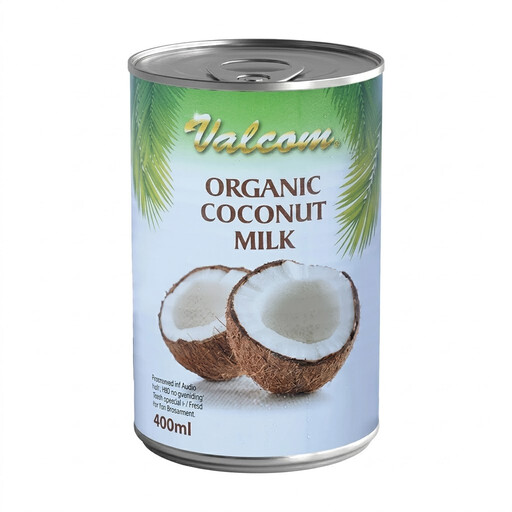
- Why we love it: This organic coconut milk is all about the purity of its ingredients. With a high concentration of organic coconut extract, it delivers an authentic flavour and a naturally rich texture.
- Highlights:
- Certified organic, with 68% coconut extract.
- Fat content of 17.4%, offering an excellent balance.
- Short ingredient list: coconut extract, water, and a touch of guar gum for stability.
- Sourced from Sri Lanka, renowned for the quality of its coconuts.
- Who is it for?: For fans of organic products who are looking for a pronounced coconut flavour and a wholesome composition for delicious everyday cooking.
Looking for Other Kitchen Gems?
Does your recipe call for rare spices, a hard-to-find sauce, or other essential ingredients? Our selection is designed to meet all your culinary needs.
? Explore our grocery section to complete your cart.
Your Coconut Milk Questions, Answered
Can you use coconut milk as an alternative to heavy cream?
Absolutely! Coconut milk is an excellent plant-based alternative that is naturally lactose-free. To replace heavy cream (30% fat), opt for coconut cream (over 20% fat), which will offer comparable creaminess. For a lighter version, a classic coconut milk (around 15-18% fat) will be perfect.
What's the difference between coconut milk in a carton versus a can?
Coconut milk in a carton, often UHT (Ultra High Temperature) treated, has a very homogenous texture and a long shelf life before opening. In contrast, canned coconut milk is not homogenised and separates naturally: the fattier cream rises to the top while the coconut water stays at the bottom. Far from being a flaw, this separation is actually a benefit: it allows you to scoop out just the solid, creamy part for certain recipes (like coconut whipped cream).
How should I store coconut milk after opening?
Once an opened carton or can, coconut milk must be stored in the refrigerator. If it's from a can, transfer it to a glass or plastic container to prevent it from developing a metallic taste. It will keep for 3 to 4 days. Be sure to mix it well before each use, as the cold tends to make it solidify again.


